
Buying Sabudana? Here Are Simple Ways To Identify Adulterated Sago Before You Cook

Worried About Fake Sabudana ? Learn Easy Tips To Check The Quality Before Buying
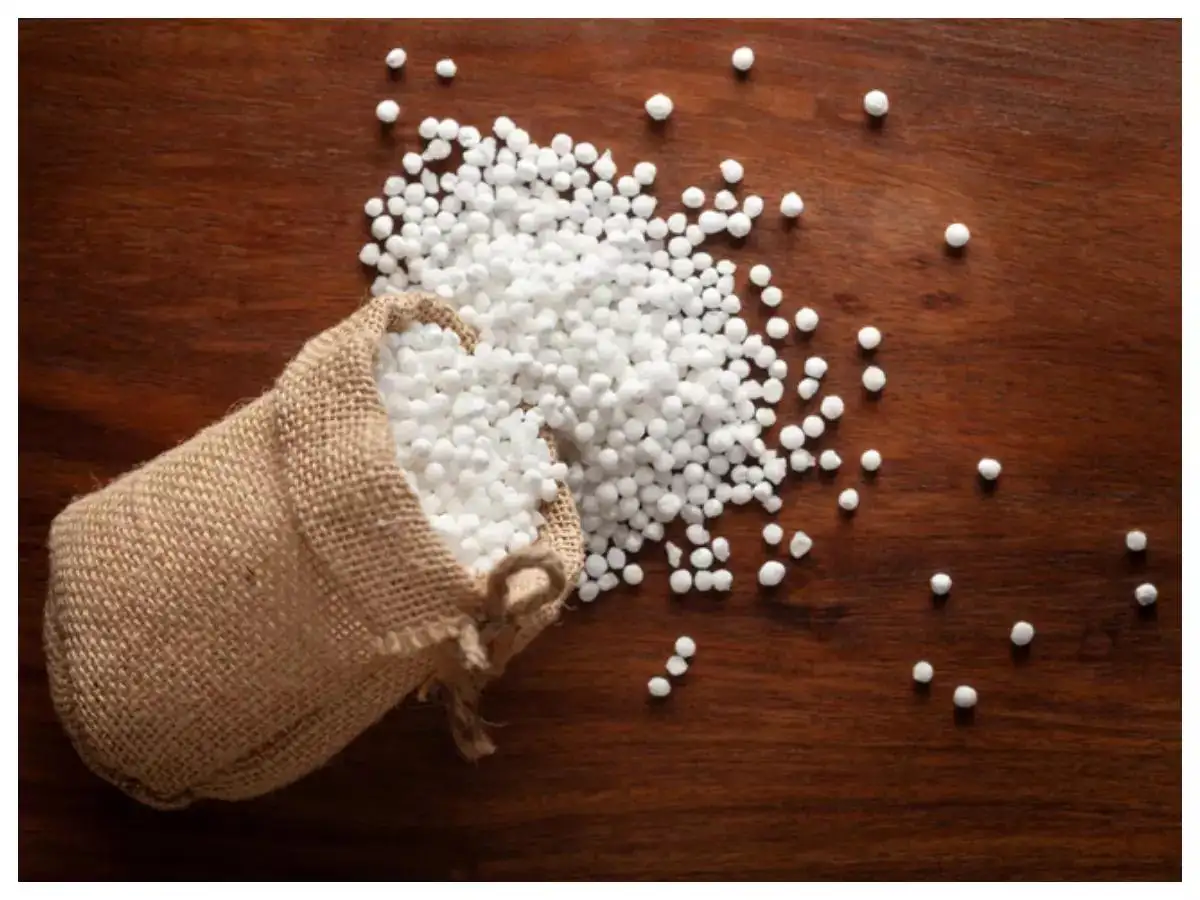
How To Identify Adulterated Sago With Simple Home Checks And Smarter Shopping Habits
Don't Let Poor-Quality Sabudana Reach Your Kitchen: Practical Tips To Spot Adulteration
Keywords:
adulterated sago, sabudana quality check , fake sabudana, pure sago , food adulteration , kitchen tips
Meta description:
Learn how to identify adulterated sago with simple checks, smart buying tips and practical advice to choose pure sabudana for everyday cooking.
Synopsis:
Sabudana is widely used in Indian households to prepare snacks, desserts and fasting recipes, making it a pantry essential for many families. Because of its steady demand, concerns about product quality occasionally arise, with some consumers worrying about adulteration or inferior-grade sago entering the market. According to food safety experts, the best way to reduce this risk is to buy from reliable sources and pay attention to the product's appearance and packaging. While laboratory analysis is the only definitive way to detect adulteration, a few simple observations can help you assess the quality before cooking.
Check The Appearance Carefully
Good-quality sabudana usually consists of pearls that are fairly uniform in size and colour. They should appear clean, off-white or white, without excessive dust or broken particles.Experts suggest avoiding packets that contain too many crushed pearls or noticeable impurities. A consistent appearance often reflects better processing and handling.
Feel The Texture
Sabudana pearls should feel dry and separate easily when handled. If they seem unusually sticky, damp or clumped together, the product may have absorbed moisture during storage.According to food experts, excess moisture can reduce shelf life and affect cooking performance, even if the product is not adulterated.
Observe The Soaking Behaviour
When soaked in water, quality sabudana gradually absorbs moisture and softens while largely retaining its shape. Excessive disintegration or uneven softening may indicate poor-quality processing or ageing.Industry observers note that soaking behaviour alone cannot confirm adulteration, but it can provide useful clues about overall product quality.
Read The Packaging Details
Always check the manufacturing date, expiry date and ingredient information before purchasing. Choose sealed packets that show no signs of damage or tampering.You may also like
- Enrol now with TOI Money Masterclass to turn your child's pocket money into life lessons
- This social media page makes content entertaining and relatable. Here's how
- The future belongs to AI ready minds, enrol your child in the TOI AI Masterclass today
- Smt Jaya Row's Guru Purnima Talks On Happiness To Be Held Across Four Cities
- Is Dancing Safe During Pregnancy?
Buying from trusted brands and reputed retailers generally offers greater confidence in quality standards and storage practices.
Avoid Products With An Unusual Smell
Fresh sabudana has little to no noticeable smell. If you detect a sour, musty or unpleasant odour after opening the packet, it may indicate improper storage or exposure to moisture.Food safety professionals recommend discarding products that appear spoiled or have an unusual smell rather than attempting to use them.
Store Sabudana Properly
Even high-quality sabudana can deteriorate if stored carelessly. Keep it in an airtight container in a cool, dry place away from humidity and direct sunlight.Proper storage helps preserve texture, prevents moisture absorption and reduces the chances of insect infestation over time.
Choosing good-quality sabudana begins with careful observation and sensible buying habits. Although home checks cannot conclusively identify adulteration, they can help you recognise signs of poor quality. Purchasing from trusted sellers, examining packaging and storing sago correctly remain the most practical ways to ensure better results in your kitchen.






Loving Newspoint? Download the app now
