
Why Consuming Too Much Protein May Actually Do More Harm Than Good

Protein has long been considered the golden nutrient of the modern fitness world. Thanks to the massive popularity of gym cultures and high-protein diets, millions of health-conscious individuals are actively finding ways to load up their daily meals with protein shakes, lean meats, and bars. The nutrient is heavily praised for its unique ability to build strong muscles, speed up metabolism, and keep hunger pangs away for a longer duration. Because of these incredible weight-loss benefits, a growing number of adults have fallen into the mindset that when it comes to protein, eating more is always better.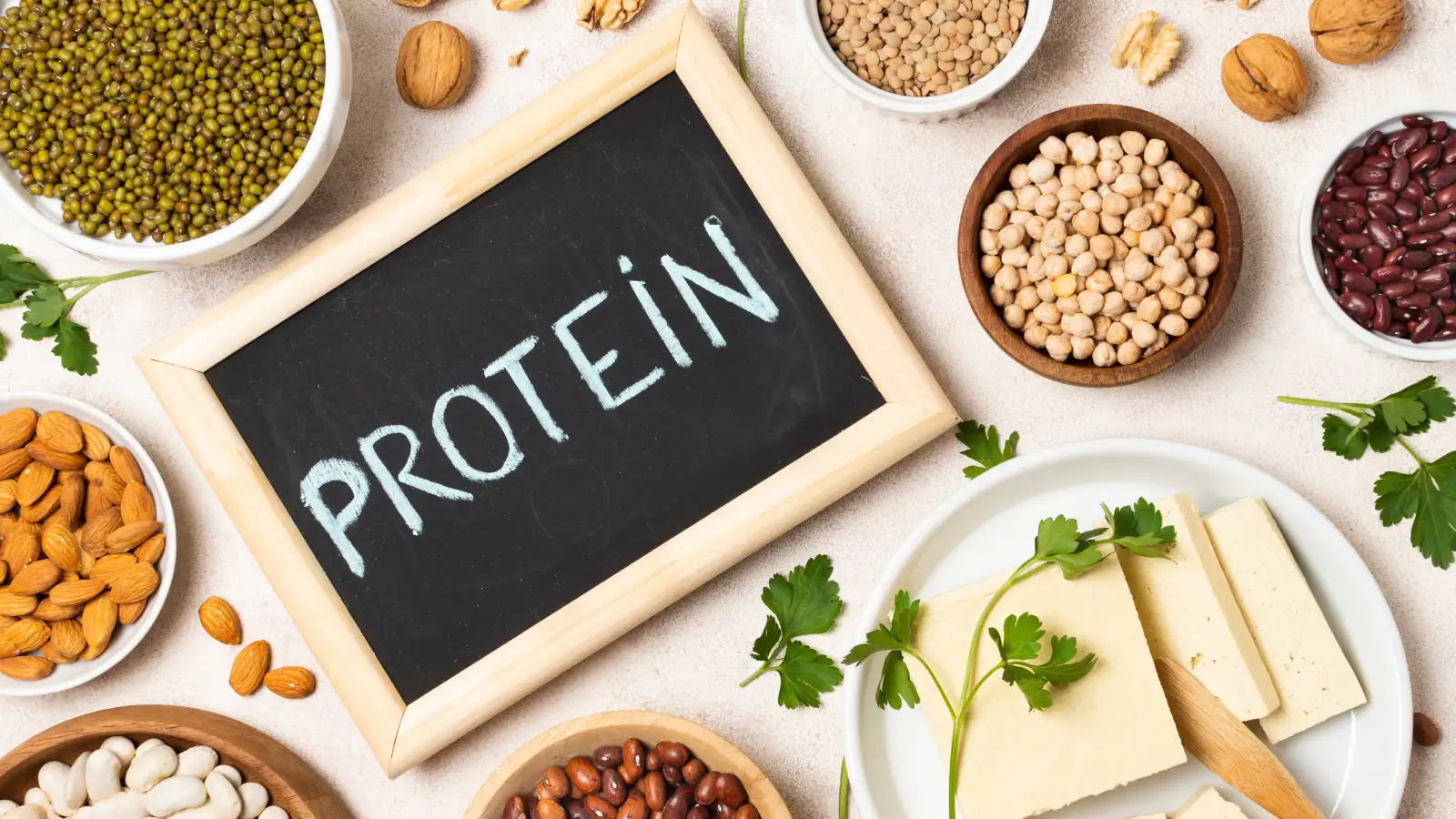
However, there is a strong need for caution. New research highlights that consuming far more protein than the human body actually needs can result in unexpected health dangers. While the nutrient is absolutely essential to sustain daily life, a person's body can only process a specific amount at a time. Regularly exceeding the recommended threshold, especially by pushing past 1.2 grams of protein per kilogram of body weight each day, begins to turn a healthy fitness habit into a serious physical strain.
A major hidden danger of high-protein diets stems from where people choose to source their food. The vast majority of individuals get their primary protein from animal products like beef, chicken, and processed meats.
Diets heavy in red and processed meats are closely linked to higher instances of heart disease and Type 2 diabetes. The high levels of saturated fats found in these heavy meat dishes significantly raise bad cholesterol, trigger internal inflammation, and interfere with how the body manages insulin.
When people obsess over hitting ultra-high protein targets, they often follow low-carbohydrate diets and make the mistake of cutting out fiber-rich vegetables, fruits, and whole grains.
Another common misconception is that excess protein automatically converts into lean muscle. In reality, any extra calories that your body cannot utilize for immediate energy are ultimately stored away as fat, which can lead to unexpected weight gain over time.
Additionally, filtering out massive amounts of protein forces the kidneys to work twice as hard to clear out waste products. While this extra workload is usually manageable for a perfectly healthy body, it can cause severe health complications for anyone dealing with underlying chronic kidney disease.
To maintain peak well-being, the best approach is to shift focus away from extreme protein tracking. Instead, aim for a well-rounded, balanced diet that values colorful vegetables and whole grains just as much as lean protein.
This article is for informational purposes only. Newspoint does not recommend making drastic dietary changes based solely on this content. Always consult a healthcare expert or qualified doctor before starting a high-protein diet or altering your nutritional intake.
However, there is a strong need for caution. New research highlights that consuming far more protein than the human body actually needs can result in unexpected health dangers. While the nutrient is absolutely essential to sustain daily life, a person's body can only process a specific amount at a time. Regularly exceeding the recommended threshold, especially by pushing past 1.2 grams of protein per kilogram of body weight each day, begins to turn a healthy fitness habit into a serious physical strain.
Increased Risk of Heart Conditions and Diabetes
A major hidden danger of high-protein diets stems from where people choose to source their food. The vast majority of individuals get their primary protein from animal products like beef, chicken, and processed meats.
You may also like
- Gold Prices Ease Further, Silver Slips After Days of Stability; Check Latest Rates Across Major Cities
- ADVT: Blenders Pride Packaged Drinking Water crafts an immersive cultural platform with 'Reserved Experiences' across India
- Charlotte Tilbury's £31 concealer is 'great for mature skin' and 'doesn't crease'
- Post Office RD vs SBI RD: Which Option Delivers Better Returns on a ₹10,000 Monthly Investment?
- Pre-Marriage Questions: Don't rely solely on your horoscope to get married. It's also important to share these things with your partner.
Diets heavy in red and processed meats are closely linked to higher instances of heart disease and Type 2 diabetes. The high levels of saturated fats found in these heavy meat dishes significantly raise bad cholesterol, trigger internal inflammation, and interfere with how the body manages insulin.
Higher Rates of Digestive Issues and Cancers
When people obsess over hitting ultra-high protein targets, they often follow low-carbohydrate diets and make the mistake of cutting out fiber-rich vegetables, fruits, and whole grains.
- The Fiber Deficit: A lack of dietary fiber disrupts the delicate gut microbiome, leading to uncomfortable side effects like severe constipation, painful bloating, and general stomach distress.
- The Cancer Connection: Consuming high amounts of processed and red meats has also been tied to a higher risk of developing colorectal cancer. To stay safe, it is much better to source a healthy portion of protein from plant-based options like beans, lentils, nuts, soy, and fish.
Unexpected Weight Gain and Kidney Strain
Another common misconception is that excess protein automatically converts into lean muscle. In reality, any extra calories that your body cannot utilize for immediate energy are ultimately stored away as fat, which can lead to unexpected weight gain over time.
Additionally, filtering out massive amounts of protein forces the kidneys to work twice as hard to clear out waste products. While this extra workload is usually manageable for a perfectly healthy body, it can cause severe health complications for anyone dealing with underlying chronic kidney disease.
To maintain peak well-being, the best approach is to shift focus away from extreme protein tracking. Instead, aim for a well-rounded, balanced diet that values colorful vegetables and whole grains just as much as lean protein.
Disclaimer:
This article is for informational purposes only. Newspoint does not recommend making drastic dietary changes based solely on this content. Always consult a healthcare expert or qualified doctor before starting a high-protein diet or altering your nutritional intake. 





More from our partners


Loving Newspoint? Download the app now
