
Should You Take Ghee On An Empty Stomach For Joints?

Ghee, the golden clarified butter long used in Indian kitchens, is enjoying renewed attention for its potential wellness benefits. As lifestyle diseases and joint complaints become more common, especially among adults over 40, many are turning to simple home remedies to stay mobile. Osteoarthritis, caused by gradual wear of cartilage, leads to pain, stiffness and swelling, and affects a large section of the population. With this backdrop, the idea of taking a morning ghee shot has emerged as a popular approach to support joint health and overall vitality.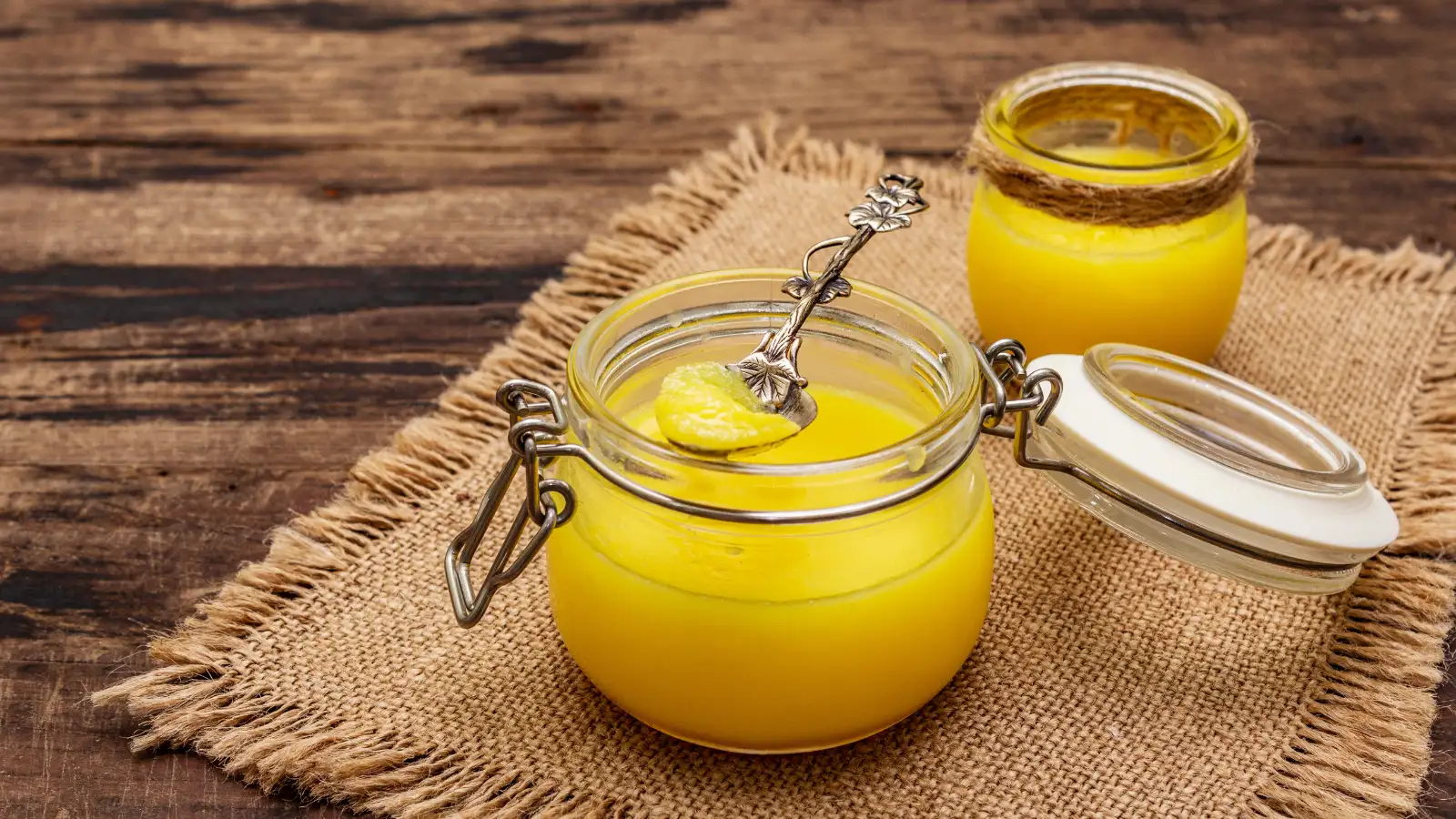
Does a morning ghee shot really help?
The answer is encouraging, but with clear boundaries. There are no dedicated clinical studies proving that drinking a shot of ghee in the morning directly heals joints. Nutrition specialists note that ghee may aid joint comfort only when the body is able to metabolise it well and when no serious medical condition is present. It should be viewed as a supportive habit rather than a treatment.
Ghee is recognised by the National Institute of Nutrition as a traditional fat containing vitamins A, D, E and K – nutrients linked to bone metabolism and absorption of minerals. It also carries butyric acid, which nurtures gut health and improves the way the body absorbs nourishment, indirectly benefiting bones and joints. However, individual physiology plays a major role, and regular physical activity is essential to process this rich fat effectively.
Nutritional profile of ghee
For generations Indians have valued ghee for medicinal uses, and modern science mirrors some of those beliefs.
These elements explain why ghee for joint health is frequently discussed in Ayurvedic and nutritional circles. Its butyric acid content further promotes a healthy digestive system, a foundation for musculoskeletal strength.
What does current research say?
Publications such as the International Journal of Dairy Technology and the Journal of Ayurveda and Integrative Medicine describe ghee as a natural lubricant that may reduce inflammation and stiffness. Yet robust trials are still scarce. Recent reviews highlight the gap between traditional claims and modern validation:
Possible risks to consider
Like any concentrated fat, ghee must be consumed thoughtfully. Excess use can contribute to weight gain and raised cholesterol. People living with diabetes, obesity, heart, kidney or liver concerns should seek professional advice before adopting this habit. Health authorities, including the Food Safety and Standards Authority of India, have warned consumers to be cautious about exaggerated marketing claims and to read product labels carefully.
Practical ways to use ghee
For those wishing to include ghee as part of an arthritis diet , experts suggest gentle methods:
Ghee can certainly play a supportive role in joint care through its rich nutritional makeup, yet it should accompany exercise, balanced meals and medical treatment where required. Treat the joint pain remedy of a ghee shot as a complement, not a replacement, for professional care.
Disclaimer: This article is intended for general awareness only and should not be treated as medical advice. Individual health conditions vary, and dietary changes may not suit everyone. Always consult a qualified doctor, nutritionist or healthcare expert before trying ghee shots or any home remedy. Newspoint accepts no responsibility for decisions made based on this information.
Does a morning ghee shot really help?
The answer is encouraging, but with clear boundaries. There are no dedicated clinical studies proving that drinking a shot of ghee in the morning directly heals joints. Nutrition specialists note that ghee may aid joint comfort only when the body is able to metabolise it well and when no serious medical condition is present. It should be viewed as a supportive habit rather than a treatment. Ghee is recognised by the National Institute of Nutrition as a traditional fat containing vitamins A, D, E and K – nutrients linked to bone metabolism and absorption of minerals. It also carries butyric acid, which nurtures gut health and improves the way the body absorbs nourishment, indirectly benefiting bones and joints. However, individual physiology plays a major role, and regular physical activity is essential to process this rich fat effectively.
You may also like
- Word of the day: Vituperate
- In 1906, San Francisco lost more than 28,000 buildings to earthquake and fire: How the disaster reshaped the city's architecture and changed how America builds for earthquakes
- Why Your Beard Itches So Much and How You Can Finally Stop It
- 7 Things That Make Your Face Look Puffy Every Morning When You Rise
- The God Who Sleeps—and the Age That Cannot
Nutritional profile of ghee
For generations Indians have valued ghee for medicinal uses, and modern science mirrors some of those beliefs. - Vitamin D assists calcium absorption and helps maintain bone density.
- Vitamin K supports bone metabolism and contributes to stronger joints.
- Vitamins A and E act as antioxidants that protect tissues from inflammation.
These elements explain why ghee for joint health is frequently discussed in Ayurvedic and nutritional circles. Its butyric acid content further promotes a healthy digestive system, a foundation for musculoskeletal strength.
What does current research say?
Publications such as the International Journal of Dairy Technology and the Journal of Ayurveda and Integrative Medicine describe ghee as a natural lubricant that may reduce inflammation and stiffness. Yet robust trials are still scarce. Recent reviews highlight the gap between traditional claims and modern validation: - A Label Blind study (2026) found that 33.6% of ghee-related health claims on packaging were non-compliant with regulations, highlighting the gap between traditional beliefs and modern clinical validation.
- While many users report relief from arthritis symptoms, there is no conclusive evidence that a morning ghee shot alone can reverse joint pain.
Possible risks to consider
Like any concentrated fat, ghee must be consumed thoughtfully. Excess use can contribute to weight gain and raised cholesterol. People living with diabetes, obesity, heart, kidney or liver concerns should seek professional advice before adopting this habit. Health authorities, including the Food Safety and Standards Authority of India, have warned consumers to be cautious about exaggerated marketing claims and to read product labels carefully.Practical ways to use ghee
For those wishing to include ghee as part of an arthritis diet , experts suggest gentle methods: - Take about a teaspoon of warm ghee on an empty stomach only if you are generally healthy and physically active.
- Mixing ghee with warm milk at night may offer calming effects, but it is unsuitable for those with digestive troubles or lactose intolerance.
- Combining ghee with turmeric or black pepper can enhance its anti-inflammatory potential.
Ghee can certainly play a supportive role in joint care through its rich nutritional makeup, yet it should accompany exercise, balanced meals and medical treatment where required. Treat the joint pain remedy of a ghee shot as a complement, not a replacement, for professional care.
Disclaimer: This article is intended for general awareness only and should not be treated as medical advice. Individual health conditions vary, and dietary changes may not suit everyone. Always consult a qualified doctor, nutritionist or healthcare expert before trying ghee shots or any home remedy. Newspoint accepts no responsibility for decisions made based on this information.






Loving Newspoint? Download the app now
