
The Flavor of Sound: Can Music Change the Way Food Tastes?

When we think about enjoying a delicious meal, our minds naturally focus on our sense of taste, smell, sight, and even texture. We admire the vibrant colours on the plate, inhale rich aromas, and appreciate a pleasant crunch. However, scientists and experimental chefs have revealed that another powerful sense plays a huge role in our dining experience, which is hearing. Fascinating crossmodal research demonstrates that what enters our ears can directly influence how our brains interpret flavours on our tongues. This surprising phenomenon, often referred to by scientists as sonic seasoning , shows that background sound is not merely a passive atmosphere. Instead, sound acts as a subtle condiment that alters our perception of sweetness, bitterness, and texture.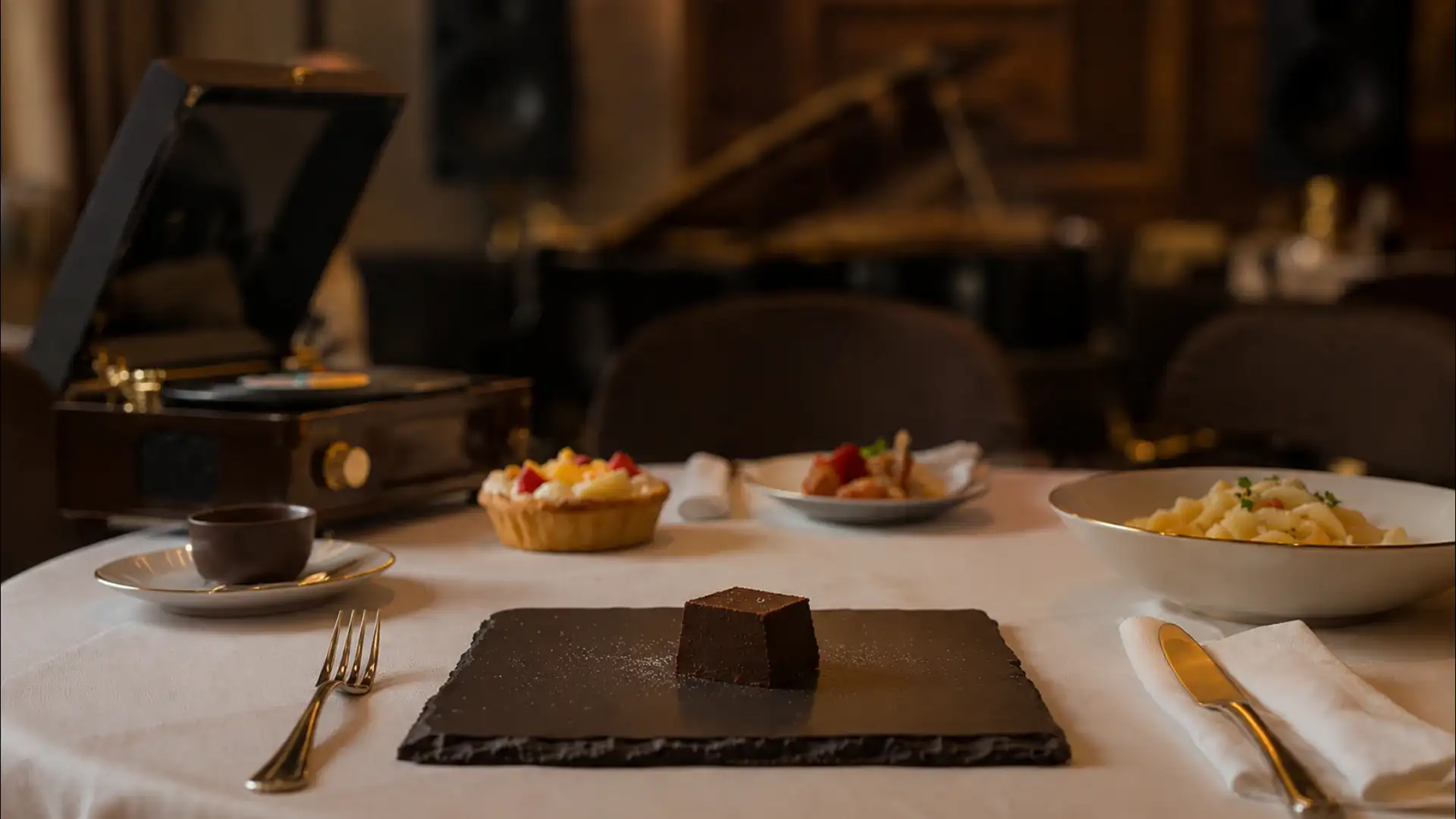
To understand how sound shapes flavour, it helps to realize that our brains do not process senses in isolation. Every time we take a bite, our brain merges sight, smell, texture, and sound into a single, unified sensory perception. Researchers at top universities discovered that specific musical frequencies directly highlight certain primary tastes. For example, high pitched, delicate sounds such as light piano melodies or twinkling bells accentuate sweet notes in food. Conversely, low pitched, heavy brass instruments or deep bass notes enhance bitter notes. When testing this, participants eating identical pieces of dark chocolate rated them as noticeably sweeter while listening to high pitched music, and significantly more bitter when surrounded by low, deep frequencies.
To understand how sound shapes flavour, it helps to realize that our brains do not process senses in isolation. Every time we take a bite, our brain merges sight, smell, texture, and sound into a single, unified sensory perception. Researchers at top universities discovered that specific musical frequencies directly highlight certain primary tastes. For example, high pitched, delicate sounds such as light piano melodies or twinkling bells accentuate sweet notes in food. Conversely, low pitched, heavy brass instruments or deep bass notes enhance bitter notes. When testing this, participants eating identical pieces of dark chocolate rated them as noticeably sweeter while listening to high pitched music, and significantly more bitter when surrounded by low, deep frequencies.
Background Noise and Saltiness
It is not just musical pitch that changes our palate, as background noise levels alter flavour perception as well. Have you ever wondered why airplane food tastes notoriously bland? While cabin pressure plays a part, the constant loud engine roar is a major culprit. High decibel background noise suppresses our ability to taste saltiness and sweetness. At the same time, loud environments heighten our perception of crunchiness and umami, which is the savory, rich taste found in tomatoes, soy sauce, and aged cheeses. This explains why tomato juice is extraordinarily popular on commercial flights because the loud surroundings make its rich, savory notes taste far more intense and satisfying.You may also like
- SpaceX Rocket Believed to Have Crashed Into Moon, Scientists Warn Over Growing Space Debris Threat | Cliq Latest
- Major Railway Initiative: QR Codes on Food Packets to Indicate Food Freshness
- Driving on the highway during the rainy season? Be sure to follow this advice from the NHAI.
- Attention Government Employee Couples: Living Together Means No HRA for the Second Spouse
- Major Change in US Visa Rules: Application Will Be Rejected If Even One Document Is Missing
How Tempo and Rhythm Alter Appetite
The speed and style of a musical track do more than change flavour notes, as they directly affect eating behavior and digestion. Fast paced, loud music causes people to chew faster, drink more quickly, and finish meals in less time. High volume restaurants often use fast rhythms to encourage quicker table turnover. In contrast, slow, soothing acoustic or jazz melodies encourage diners to slow down, chew thoroughly, and savour every bite. Eating at a relaxed pace improves digestion and allows the brain time to register fullness, helping prevent overeating.Hosting Your Own Musical Dinner
Understanding how sound can change flavour gives you an exciting new tool for home entertaining. You do not need a science laboratory to experiment with sound and dining. Try pairing light fruity puddings or pastries with high pitched classical piano music or gentle harp tracks to naturally boost perceived sweetness. Play warm, mid range jazz or acoustic guitars alongside hearty stews, roasts, or pasta to enhance comforting, savory flavours. Keep volume levels low to moderate so background sounds enhance the food without overwhelming your delicate taste buds or conversation.Harmonising Sound and Savour
Eating is truly a full body sensory journey. The next time you sit down to enjoy a favourite dish, pay close attention to the playlist running in the background. As science proves, exploring how music can change the way food tastes unlocks a world of culinary discovery, showing that the right soundtrack can make any meal taste richer, sweeter, and far more memorable.





Loving Newspoint? Download the app now
