
Can Plants Actually Sense Incoming Rain? The Science May Surprise You

Plants may appear completely still, but beneath that quiet exterior they are constantly monitoring their surroundings. They detect changes in light, temperature, gravity, touch and the availability of water. But can plants actually sense incoming rain? The answer is surprisingly close to yes, although not in the way humans predict a storm. Plants cannot look at dark clouds and decide that rain is approaching, but their leaves can detect physical signals associated with rainfall. The impact of raindrops can trigger rapid changes inside plant cells, including chemical signals linked to defence. Recent research has revealed that a rainy day can therefore be much more biologically significant to a plant than it appears.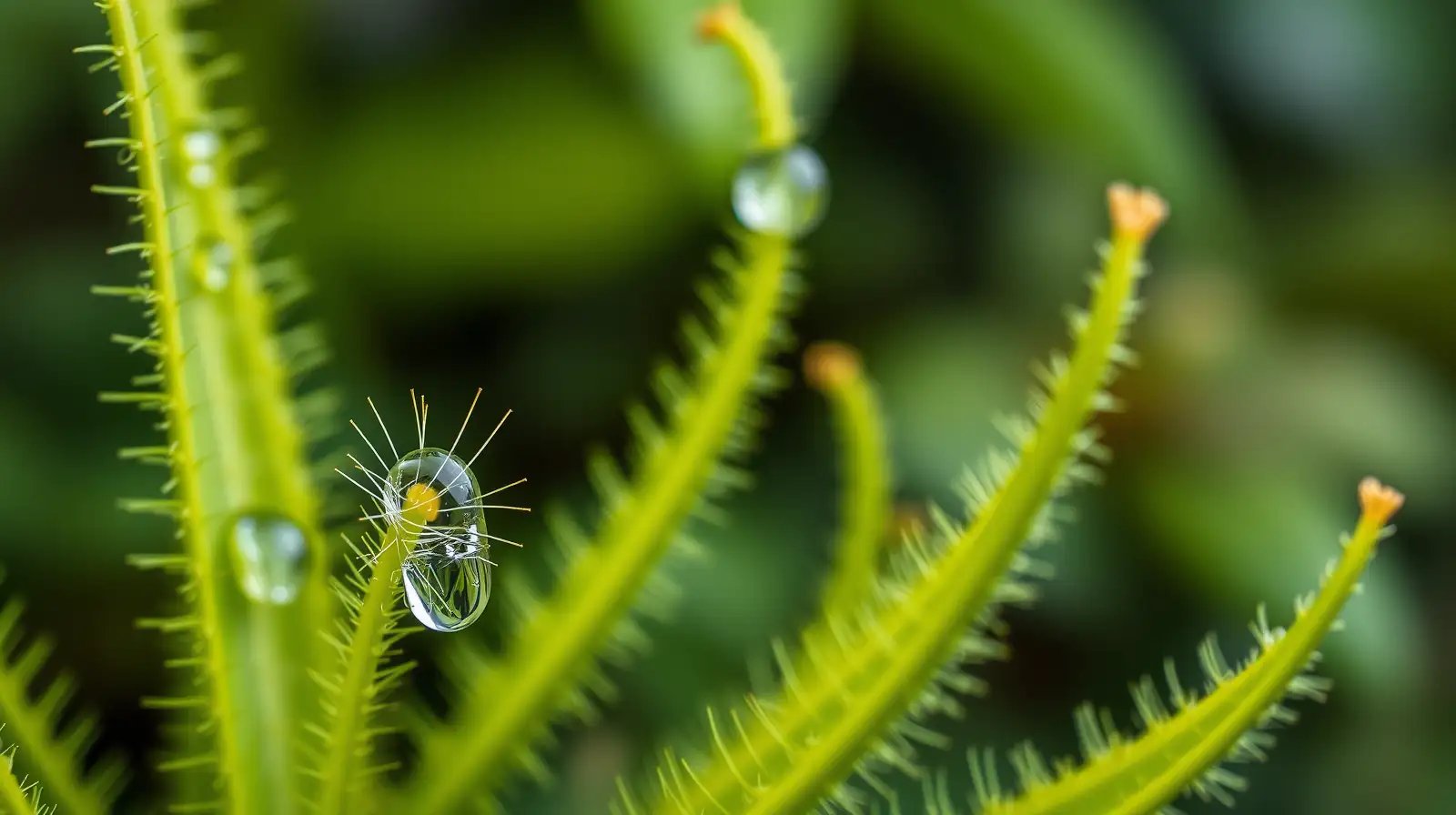
Researchers studying Arabidopsis thaliana, a small flowering plant commonly used in laboratory research, found that tiny hair-like structures called trichomes can detect mechanical stimulation caused by falling raindrops. This activates signalling inside the plant and can trigger genes involved in defence.
The response can happen surprisingly quickly. Experiments found that even a small number of simulated raindrops could activate hundreds of genes within minutes.
Wet leaves and humid conditions can favour the spread of fungi and bacteria. Raindrops themselves can also carry microorganisms that may eventually reach plant surfaces.
Researchers believe that detecting the mechanical impact of rain may therefore give plants an early warning. Once a leaf experiences repeated impacts, the plant can begin activating parts of its immune system before or while microorganisms establish themselves.
It is almost as if the plant receives a warning that the environment has suddenly become more suitable for potential infections.
Plants use calcium ions as important internal messengers. When cells detect mechanical changes, calcium signals can help activate networks involving proteins, hormones and defence-related genes.
This demonstrates something remarkable about plant biology: plants do not have brains or nervous systems, yet they can detect physical events and coordinate sophisticated responses across their tissues.
This does not mean plants are listening to weather forecasts. Instead, their cells have evolved ways to respond to physical information in their environment.
That distinction matters. A plant does not need eyes, ears or a brain to respond to its surroundings. Its leaves, roots and cells act as a sophisticated network of sensors.
So the next time rain begins falling on a garden, remember that the plants are not simply getting wet. At a microscopic level, they may already be sensing the change, communicating internally and preparing for whatever comes next.
Plants Can Feel The Impact Of Raindrops
A falling raindrop may seem insignificant to us, but at the scale of a leaf it creates a mechanical force.Researchers studying Arabidopsis thaliana, a small flowering plant commonly used in laboratory research, found that tiny hair-like structures called trichomes can detect mechanical stimulation caused by falling raindrops. This activates signalling inside the plant and can trigger genes involved in defence.
The response can happen surprisingly quickly. Experiments found that even a small number of simulated raindrops could activate hundreds of genes within minutes.
Why Would A Plant Need To Detect Rain?
Rain is beneficial because it provides water, but it can also create risks.Wet leaves and humid conditions can favour the spread of fungi and bacteria. Raindrops themselves can also carry microorganisms that may eventually reach plant surfaces.
Researchers believe that detecting the mechanical impact of rain may therefore give plants an early warning. Once a leaf experiences repeated impacts, the plant can begin activating parts of its immune system before or while microorganisms establish themselves.
It is almost as if the plant receives a warning that the environment has suddenly become more suitable for potential infections.
Rain Can Trigger Internal Signals
The response is not simply a leaf bending under a raindrop. Mechanical stimulation can initiate calcium signals that spread through plant tissue.You may also like
- Why Am I Losing Weight While Breastfeeding?
- Is Snake Hiding in Your House? 6 Signs You Can't Ignore
- 7 Home Remedies to Treat Lice in Kids Naturally
- 6 Home Remedies To Treat Tanning in Toddlers
- Get up to 300 free electricity units every month with the PM Surya Ghar Muft Bijli Yojana. Check all the key benefits.
Plants use calcium ions as important internal messengers. When cells detect mechanical changes, calcium signals can help activate networks involving proteins, hormones and defence-related genes.
This demonstrates something remarkable about plant biology: plants do not have brains or nervous systems, yet they can detect physical events and coordinate sophisticated responses across their tissues.
Seeds May Even Detect Rain Sounds
An even newer finding makes the story more intriguing. Research published in 2026 reported that rice seeds can respond to the sound and vibrations produced when rain hits soil or shallow water. The experiments suggested that these vibrations could accelerate germination at certain depths where seedlings may have better chances of survival.This does not mean plants are listening to weather forecasts. Instead, their cells have evolved ways to respond to physical information in their environment.
Plants Are Far More Aware Than They Look
Plants cannot predict rain in the human sense, but they can detect some of the physical signals that accompany it.That distinction matters. A plant does not need eyes, ears or a brain to respond to its surroundings. Its leaves, roots and cells act as a sophisticated network of sensors.
So the next time rain begins falling on a garden, remember that the plants are not simply getting wet. At a microscopic level, they may already be sensing the change, communicating internally and preparing for whatever comes next.






Loving Newspoint? Download the app now
