
Best Places to See the Northern Lights in 2026: Top 5 Aurora Borealis Destinations

The Northern Lights, scientifically known as the Aurora Borealis, represent one of the most spellbinding natural phenomena on Earth. These luminous curtains of green, magenta, violet, and crimson light occur when solar wind particles emitted by the sun interact with gas molecules in the upper layers of the Earth's atmosphere. The solar particles are drawn toward the magnetic poles, creating glowing atmospheric waves that dance across the night sky. Observing this otherworldly display requires a specific combination of factors: high latitude within the auroral oval, minimal light pollution, crisp freezing temperatures, and clear, cloudless skies. With recent solar cycles producing heightened geomagnetic activity, travelers visiting northern latitudes this season are witnessing some of the most frequent, vivid, and expansive auroral displays seen in decades.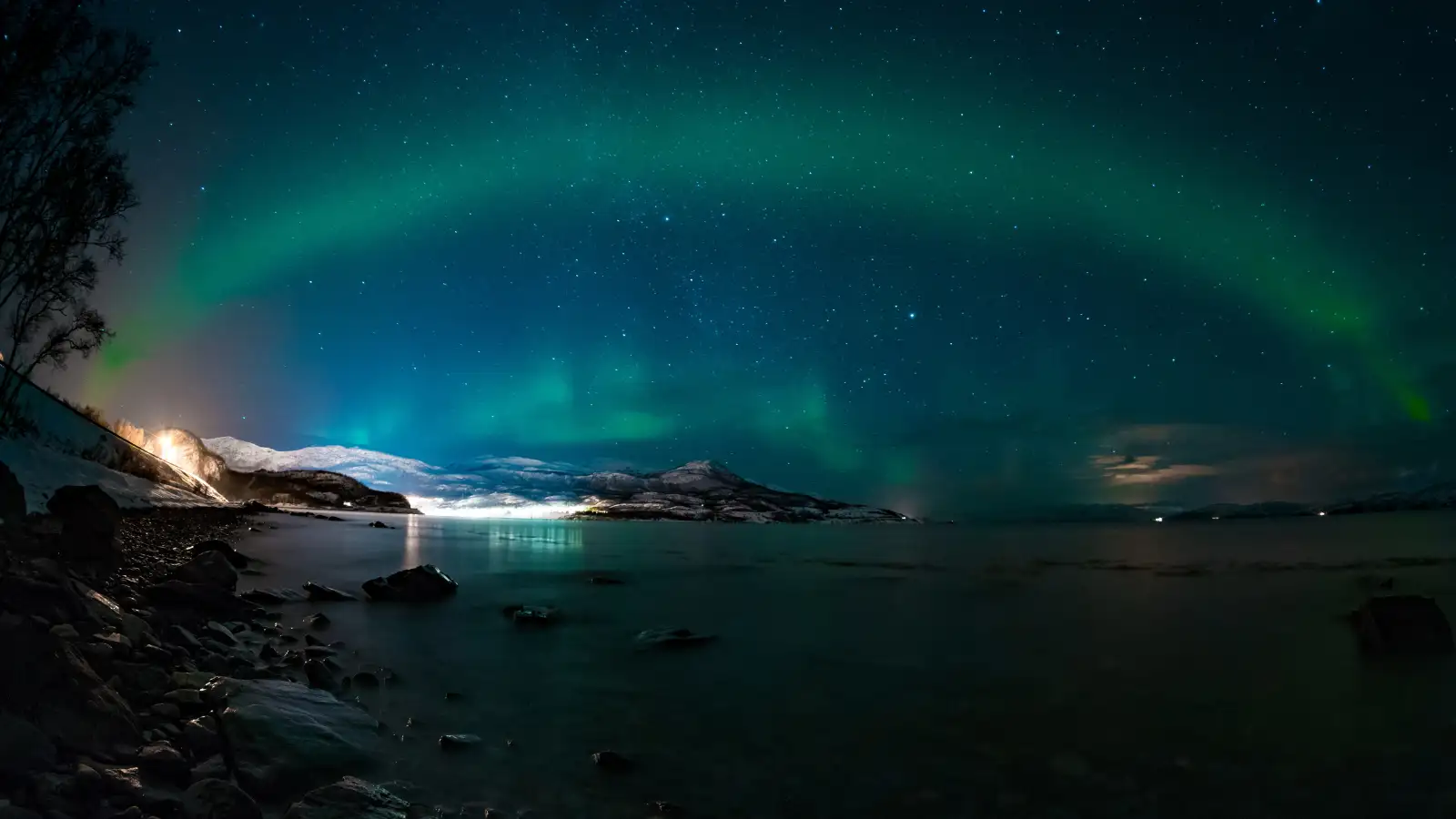
1. Tromsø and Svalbard, Norway
Situated high above the Arctic Circle in Northern Norway, the city of Tromsø is widely regarded as one of the premier gateways for celestial exploration. Nestled directly in the center of the auroral zone, Tromsø benefits from a relatively mild coastal climate compared to inland freezing regions, thanks to the warming influence of the Gulf Stream. Visitors can easily blend modern city amenities with wilderness excursions, including fjord cruises, snowshoeing treks, and mountain cable car rides that elevate viewers above municipal light pollution. Further north lies Svalbard, a remote archipelago situated midway between continental Norway and the North Pole. Between November and January, Svalbard experiences the polar night, a period of continuous 24-hour darkness. This unique astronomical condition allows travelers to hunt for the Northern Lights even during midday hours, set against a pristine backdrop of glaciated valleys and frozen sea ice.2. Rovaniemi and Kakslauttanen, Finnish Lapland
Finnish Lapland transforms every winter into a serene, snow-draped wonderland designed specifically for night-sky viewing. In regions like Rovaniemi, the official hometown of Santa Claus, and Kakslauttanen, travel infrastructure revolves around maximizing comfort during sub-zero night watches. Kakslauttanen gained global fame for pioneered thermal glass igloos, allowing guests to lie back in heated bedrooms and watch the green auroral ribbons swirl directly overhead without braving the biting cold. Outside the igloos, Finnish culture deeply integrates the Arctic landscape into daily life. Visitors can fill daytime hours with reindeer-drawn sleigh rides through pine forests, husky-sledding safaris, and authentic Finnish sauna rituals followed by traditional ice dips, creating a quintessential winter retreat that culminates in evening sky watching.You may also like
3. Abisko National Park, Sweden
For travelers who prioritize sky clarity and reliable viewing odds above all else, Abisko National Park in Swedish Lapland offers an unmatched success record. Tucked away near the Norwegian border, Abisko possesses a unique microclimate caused by surrounding mountain ranges that shield the valley from prevailing coastal winds and heavy cloud formations. This geographical anomaly creates what climate experts refer to as the "Blue Hole of Abisko"—a persistent patch of clear, open sky situated directly over the park, even when neighboring regions are overcast. At the heart of the park sits the Aurora Sky Station, located atop Mount Nuolja. Reached via a silent chairlift ride through the dark, the station provides a high-altitude observation deck, a dedicated exhibition center, and zero artificial light interference, offering some of the clearest views of the night sky found anywhere in Europe.4. Reykjavik and the Golden Circle, Iceland
Iceland offers a dramatic, geologically active landscape where the Northern Lights reflect over crashing waterfalls, black sand beaches, and steaming geothermal pools. Because the entire island nation sits just below the Arctic Circle, it is possible to spot the aurora from virtually anywhere in the country when atmospheric conditions align. While light pollution in central Reykjavik can obscure faint activity, short drives into the countryside reveal astonishing natural backdrops. Popular viewing locations include the Thingvellir National Park within the Golden Circle route, the floating icebergs of Jökulsárlón Glacier Lagoon, and the basalt sea stacks along the coast of Vík. Furthermore, Iceland allows visitors to combine cold night viewing with therapeutic warmth, relaxing in mineral-rich geothermal waters at the Blue Lagoon or Sky Lagoon while watching the night sky overhead.5. Yellowknife and Whitehorse, Canada
Crossing the Atlantic to North America, Canada's northern territories provide vast expanses of wilderness with near-zero light pollution and wide-open horizons. Yellowknife, the capital of the Northwest Territories, sits directly beneath the auroral oval on flat shield terrain. Its geography provides unobstructed 360-degree views of the horizon, resulting in a statistically high viewing success rate for multi-day stays. Meanwhile, in the Yukon Territory, the historic city of Whitehorse serves as a base camp for alpine aurora hunting. Visitors can stay in rustic wilderness lodges, soak in natural hot springs, and observe the vibrant green lights as they wash over snow-capped mountain peaks and frozen wilderness rivers.





Loving Newspoint? Download the app now
