
Best Places to See the Northern Lights in 2026: Top 5 Aurora Borealis Destinations

The Northern Lights, scientifically known as the Aurora Borealis, represent one of the most spellbinding natural phenomena on Earth. These luminous curtains of green, magenta, violet, and crimson light occur when solar wind particles emitted by the sun interact with gas molecules in the upper layers of the Earth's atmosphere. The solar particles are drawn toward the magnetic poles, creating glowing atmospheric waves that dance across the night sky. Observing this otherworldly display requires a specific combination of factors: high latitude within the auroral oval, minimal light pollution, crisp freezing temperatures, and clear, cloudless skies. With recent solar cycles producing heightened geomagnetic activity, travelers visiting northern latitudes this season are witnessing some of the most frequent, vivid, and expansive auroral displays seen in decades.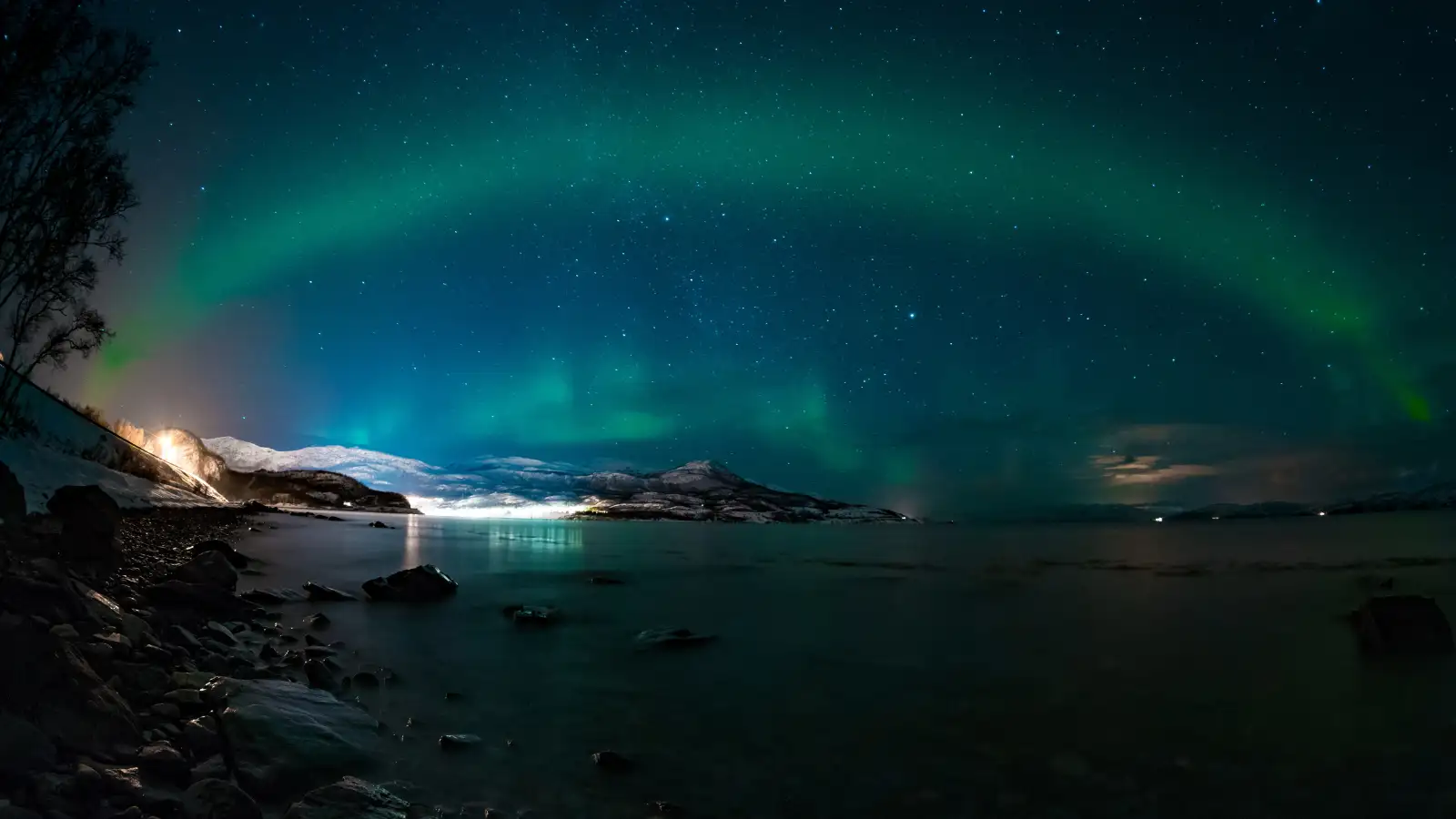
Next Story