
Chia Seeds vs Sabja Seeds for Weight Loss: Which Superfood Should You Choose?

Chia seeds vs sabja seeds for weight loss is a common comparison among health-conscious people looking for natural ways to manage their diet. Although these tiny seeds appear similar after soaking, they come from different plants and offer unique nutritional benefits. Both are packed with fibre and can help you stay full for longer, but they differ in protein, healthy fats, texture, taste and culinary uses. Here's a detailed comparison to help you decide which one deserves a place in your daily routine.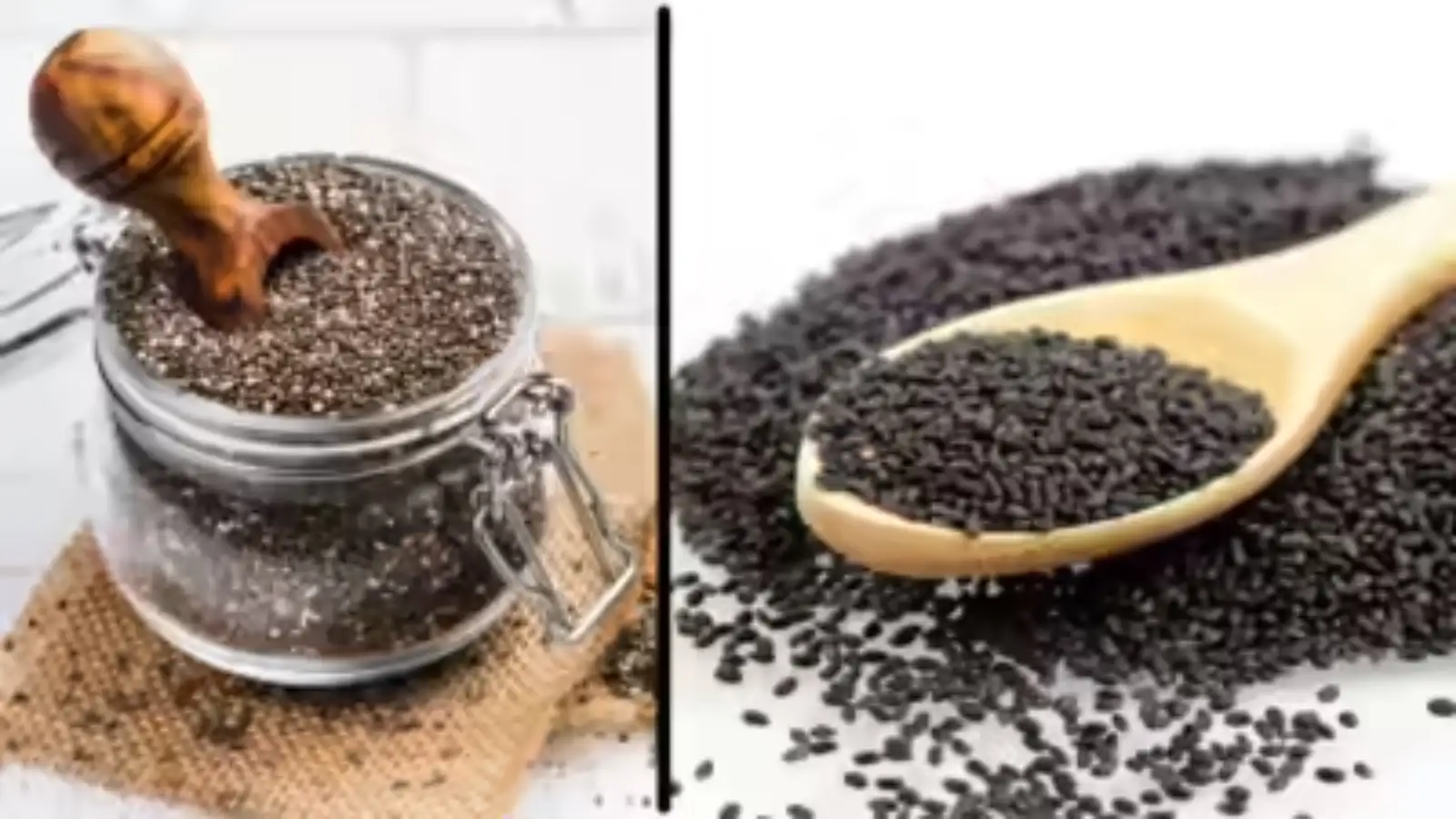
What Are Chia Seeds and Sabja Seeds?
At first glance, chia seeds and sabja seeds may seem almost identical, especially after they absorb water. However, they come from entirely different plants.
Chia seeds are harvested from the Salvia hispanica plant, which originated in Central America.
Sabja seeds, also called basil seeds , come from the sweet basil (Ocimum basilicum) plant, widely cultivated across India and Southeast Asia.
Despite their similar appearance, their nutritional profiles and health benefits are not exactly the same.
Appearance and Soaking Time
One of the easiest ways to tell these seeds apart is by their appearance and soaking behaviour.
Chia seeds are available in black, white and grey shades with a speckled look. They require around 3 to 4 hours to absorb water completely and develop a gel-like coating.
Sabja seeds are tiny, jet black seeds that become translucent with a white outer layer after soaking. They absorb water much faster and are ready to consume in 10 to 15 minutes.
Taste and Texture: Which Is More Pleasant?
The eating experience also differs between the two.
Chia seeds have a mild, nutty flavour and a slightly chewy texture, making them suitable for a variety of breakfast dishes and desserts.
Sabja seeds, in contrast, are almost flavourless and develop a soft, jelly-like consistency. This makes them an ideal ingredient in refreshing beverages, especially during hot weather.
Nutritional Comparison
Both seeds are nutrient-rich, but they excel in different areas.
Chia Seeds
Sabja Seeds
Health Benefits of Chia Seeds
Chia seeds are widely appreciated for their impressive nutritional value. Regular consumption may help:
Health Benefits of Sabja Seeds
Sabja seeds have long been used in traditional Indian diets, particularly during summer. Their potential benefits include:
Chia Seeds vs Sabja Seeds for Weight Loss : Which Works Better?
Both chia and sabja seeds can be valuable additions to a weight-loss-friendly diet because they are naturally high in fibre. Fibre slows digestion, promotes fullness and may reduce unnecessary snacking.
However, chia seeds have a slight nutritional advantage for weight loss. In addition to fibre, they provide more protein, which helps improve satiety and may make it easier to control calorie intake throughout the day.
That said, sabja seeds remain an excellent option, especially for those who enjoy refreshing drinks or want a quick-soaking ingredient that supports digestion and hydration.
Best Ways to Include Them in Your Diet
Chia Seeds
Sabja Seeds
When comparing chia seeds vs sabja seeds for weight loss, there isn't a one-size-fits-all winner. Both seeds are healthy, fibre-rich and can support weight management when paired with a balanced diet and active lifestyle.
If your goal is to maximise protein intake and stay full for longer, chia seeds may be the better choice. If you prefer quick preparation, cooling summer beverages and digestive support, sabja seeds are an equally worthwhile addition to your kitchen. Including either - or even both - in moderation can help you enjoy their unique health benefits while adding variety to your meals.
What Are Chia Seeds and Sabja Seeds?
At first glance, chia seeds and sabja seeds may seem almost identical, especially after they absorb water. However, they come from entirely different plants.
Chia seeds are harvested from the Salvia hispanica plant, which originated in Central America.
Sabja seeds, also called basil seeds , come from the sweet basil (Ocimum basilicum) plant, widely cultivated across India and Southeast Asia.
Despite their similar appearance, their nutritional profiles and health benefits are not exactly the same.
Appearance and Soaking Time
One of the easiest ways to tell these seeds apart is by their appearance and soaking behaviour.
Chia seeds are available in black, white and grey shades with a speckled look. They require around 3 to 4 hours to absorb water completely and develop a gel-like coating.
Sabja seeds are tiny, jet black seeds that become translucent with a white outer layer after soaking. They absorb water much faster and are ready to consume in 10 to 15 minutes.
Taste and Texture: Which Is More Pleasant?
The eating experience also differs between the two.
Chia seeds have a mild, nutty flavour and a slightly chewy texture, making them suitable for a variety of breakfast dishes and desserts.
Sabja seeds, in contrast, are almost flavourless and develop a soft, jelly-like consistency. This makes them an ideal ingredient in refreshing beverages, especially during hot weather.
You may also like
- Controversy Erupts on Lock Upp 2 Over Personal Boundaries
- There are only 8 states in America starting with 'N' and each offers a unique travel experience
- Kriti Sanon gives the conventional power suit a couture upgrade with a statement corset twist
- Quote of the Day by Friedrich Nietzsche "What makes unhappy marriages? It is not the lack of love but the absence of...."
- Meet Viren Sharma, the Jaipur man making indie pups a status symbol
Nutritional Comparison
Both seeds are nutrient-rich, but they excel in different areas.
Chia Seeds
- Rich in omega-3 fatty acids
- Higher protein content
- Excellent source of dietary fibre
- Good amount of calcium
- Supports long-lasting fullness
Sabja Seeds
- High in dietary fibre
- Loaded with antioxidants
- Lower in protein and healthy fats than chia seeds
- Helps maintain hydration
- Traditionally valued for its cooling properties
Health Benefits of Chia Seeds
Chia seeds are widely appreciated for their impressive nutritional value. Regular consumption may help:
- Promote heart health
- Improve digestion
- Keep hunger under control for longer
- Increase daily protein intake
- Support healthy bones through calcium
Health Benefits of Sabja Seeds
Sabja seeds have long been used in traditional Indian diets, particularly during summer. Their potential benefits include:
- Supporting digestion
- Helping relieve acidity
- Keeping the body cool
- Promoting hydration
- Contributing to better digestive health through fibre
Chia Seeds vs Sabja Seeds for Weight Loss : Which Works Better?
Both chia and sabja seeds can be valuable additions to a weight-loss-friendly diet because they are naturally high in fibre. Fibre slows digestion, promotes fullness and may reduce unnecessary snacking.
However, chia seeds have a slight nutritional advantage for weight loss. In addition to fibre, they provide more protein, which helps improve satiety and may make it easier to control calorie intake throughout the day.
That said, sabja seeds remain an excellent option, especially for those who enjoy refreshing drinks or want a quick-soaking ingredient that supports digestion and hydration.
Best Ways to Include Them in Your Diet
Chia Seeds
- Smoothies
- Oatmeal
- Yogurt bowls
- Chia pudding
- Baked recipes
- Breakfast cereals
Sabja Seeds
- Falooda
- Lemonade
- Sherbets
- Milkshakes
- Summer coolers
- Flavoured water
When comparing chia seeds vs sabja seeds for weight loss, there isn't a one-size-fits-all winner. Both seeds are healthy, fibre-rich and can support weight management when paired with a balanced diet and active lifestyle.
If your goal is to maximise protein intake and stay full for longer, chia seeds may be the better choice. If you prefer quick preparation, cooling summer beverages and digestive support, sabja seeds are an equally worthwhile addition to your kitchen. Including either - or even both - in moderation can help you enjoy their unique health benefits while adding variety to your meals.






Loving Newspoint? Download the app now
