
Chia Seeds vs Sabja Seeds for Weight Loss: Which Superfood Should You Choose?

Chia seeds vs sabja seeds for weight loss is a common comparison among health-conscious people looking for natural ways to manage their diet. Although these tiny seeds appear similar after soaking, they come from different plants and offer unique nutritional benefits. Both are packed with fibre and can help you stay full for longer, but they differ in protein, healthy fats, texture, taste and culinary uses. Here's a detailed comparison to help you decide which one deserves a place in your daily routine.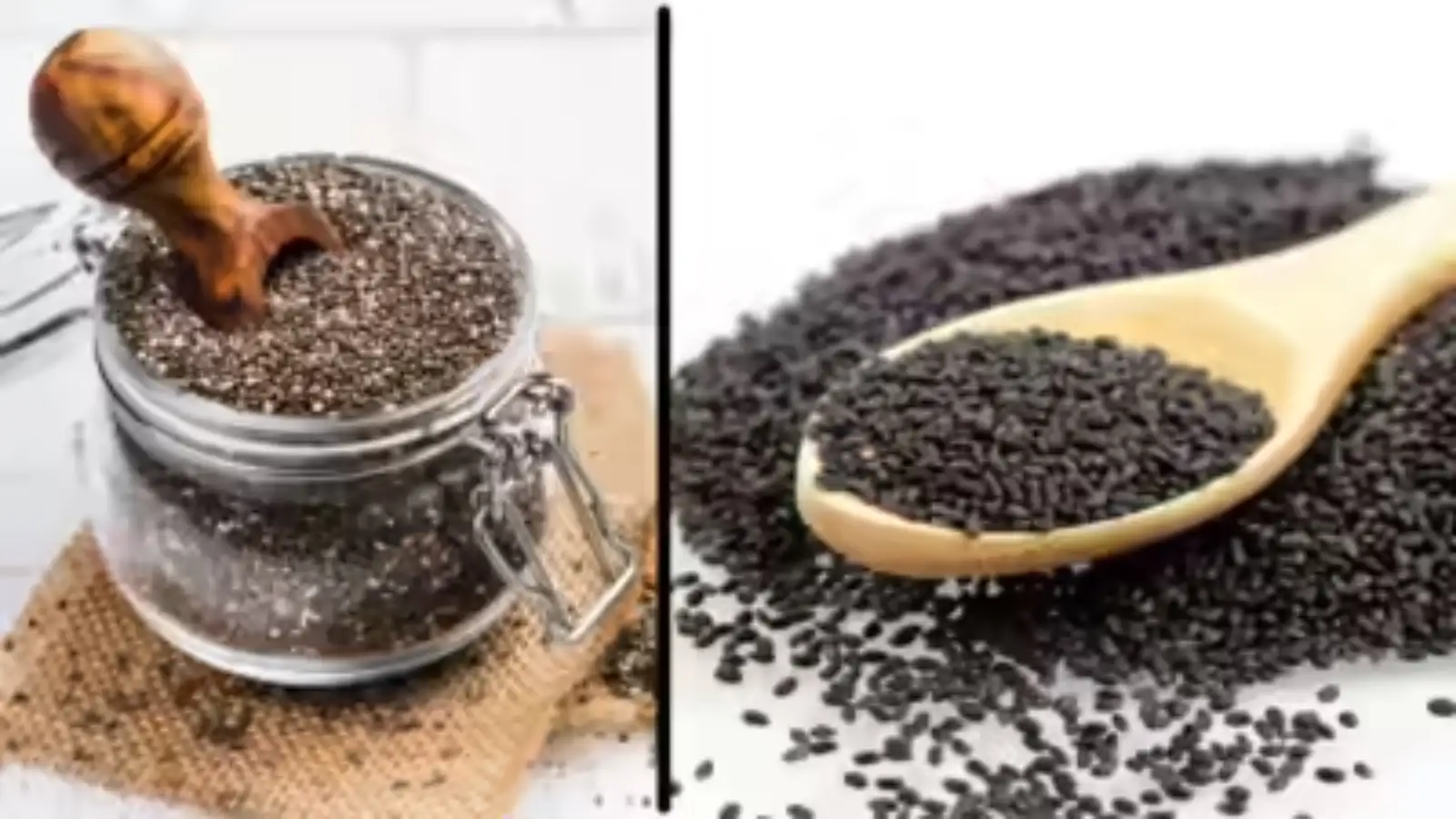
What Are Chia Seeds and Sabja Seeds?
At first glance, chia seeds and sabja seeds may seem almost identical, especially after they absorb water. However, they come from entirely different plants.
Chia seeds are harvested from the Salvia hispanica plant, which originated in Central America.
Sabja seeds, also called basil seeds , come from the sweet basil (Ocimum basilicum) plant, widely cultivated across India and Southeast Asia.
Despite their similar appearance, their nutritional profiles and health benefits are not exactly the same.
Appearance and Soaking Time
One of the easiest ways to tell these seeds apart is by their appearance and soaking behaviour.
Chia seeds are available in black, white and grey shades with a speckled look. They require around 3 to 4 hours to absorb water completely and develop a gel-like coating.
Sabja seeds are tiny, jet black seeds that become translucent with a white outer layer after soaking. They absorb water much faster and are ready to consume in 10 to 15 minutes.
Taste and Texture: Which Is More Pleasant?
The eating experience also differs between the two.
Chia seeds have a mild, nutty flavour and a slightly chewy texture, making them suitable for a variety of breakfast dishes and desserts.
Sabja seeds, in contrast, are almost flavourless and develop a soft, jelly-like consistency. This makes them an ideal ingredient in refreshing beverages, especially during hot weather.
What Are Chia Seeds and Sabja Seeds?
At first glance, chia seeds and sabja seeds may seem almost identical, especially after they absorb water. However, they come from entirely different plants.
Chia seeds are harvested from the Salvia hispanica plant, which originated in Central America.
Sabja seeds, also called basil seeds , come from the sweet basil (Ocimum basilicum) plant, widely cultivated across India and Southeast Asia.
Despite their similar appearance, their nutritional profiles and health benefits are not exactly the same.
Appearance and Soaking Time
One of the easiest ways to tell these seeds apart is by their appearance and soaking behaviour.
Chia seeds are available in black, white and grey shades with a speckled look. They require around 3 to 4 hours to absorb water completely and develop a gel-like coating.
Sabja seeds are tiny, jet black seeds that become translucent with a white outer layer after soaking. They absorb water much faster and are ready to consume in 10 to 15 minutes.
Taste and Texture: Which Is More Pleasant?
The eating experience also differs between the two.
Chia seeds have a mild, nutty flavour and a slightly chewy texture, making them suitable for a variety of breakfast dishes and desserts.
Sabja seeds, in contrast, are almost flavourless and develop a soft, jelly-like consistency. This makes them an ideal ingredient in refreshing beverages, especially during hot weather.
Next Story