
4 Childhood Games That Build Patience And Emotional Strength Today

In an era dominated by instant gratification, patience-building therapy is becoming essential for mental well-being. Interestingly, some of the most effective tools for this are not modern apps or structured programmes, but simple childhood games that many people grew up playing. These games naturally encourage focus, waiting, emotional regulation and strategic thinking.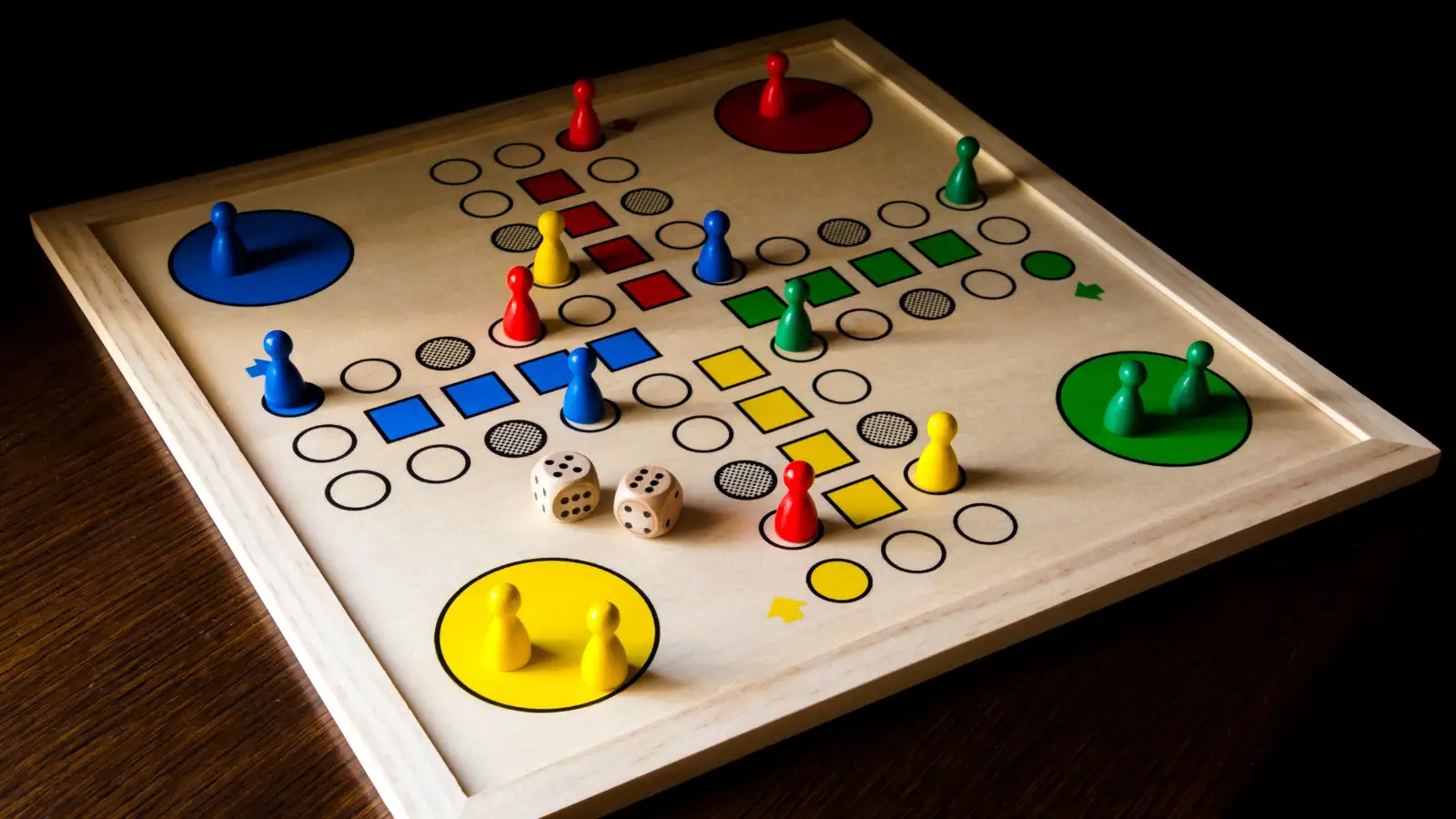
Also Read: Fun Brain Games to Stimulate Your Dog's Mind and Keep Them Happy, Engaged and Out of Mischief
Psychologists suggest that repetitive exposure to structured play helps train the brain to handle waiting periods calmly. This makes such games valuable not only for children but also for adults seeking relaxation techniques.
Simple childhood games like Ludo, Chess, Hide and Seek, and Snakes and Ladders offer more than entertainment. They serve as accessible and enjoyable forms of patience-building therapy today, helping individuals develop emotional strength, focus and resilience in everyday life.
1. Hide and Seek
Hide and Seek is more than a playground favourite. It teaches self-control, observation skills and patience development. The seeker must wait quietly and observe carefully, while those hiding must remain still for extended periods. This builds emotional regulation and helps individuals become comfortable with uncertainty, a key aspect of modern patience training.2. Ludo
Ludo is a classic board game that reinforces delayed gratification and emotional resilience. Players must wait for the right dice roll, often experiencing setbacks when their pieces are sent back to start. This teaches acceptance of outcomes beyond control, making it an effective tool for patience-building therapy and stress management.You may also like
- Chinese proverb of the day: “Better to be a dog in times of tranquility than a human in times of chaos.”
- End of an era: LVMH sells Marc Jacobs for Rs 7,090 crore in a massive fashion shake-up
- Quote of the day by Rumi: “Goodbyes are only for those who love with their eyes. Because for those who love with heart and soul there is no such thing as separation.”
- Healthy Aging Test: How strong is your body as you age? This 30-second test will reveal your true fitness.
- After Petrol and Diesel, Mobile Recharges May Also Become More Expensive! Find Out Why Concerns Are Rising
Also Read: Fun Brain Games to Stimulate Your Dog's Mind and Keep Them Happy, Engaged and Out of Mischief
3. Chess
Chess is widely recognised as one of the most powerful mind-training childhood games. It requires deep concentration, forward planning and patience before making each move. Players learn to think several steps ahead, strengthening cognitive control and emotional discipline. Regular engagement with chess improves focus and reduces impulsive decision-making.4. Snakes and Ladders
This simple board game reflects life’s unpredictability. A player can climb quickly or slide back to the beginning. It teaches acceptance, patience and emotional balance, especially when progress is reversed. It is an excellent example of how childhood games can act as informal therapy for managing disappointment.Why These Games Matter Today
Modern lifestyles often encourage instant rewards, leading to stress and impatience. Revisiting childhood games for therapy helps restore balance. They promote mindfulness, emotional regulation and better stress tolerance without the pressure of formal mental health exercises. These games are now being recognised in wellness circles as tools for natural patience development and cognitive well-being.Psychologists suggest that repetitive exposure to structured play helps train the brain to handle waiting periods calmly. This makes such games valuable not only for children but also for adults seeking relaxation techniques.
Simple childhood games like Ludo, Chess, Hide and Seek, and Snakes and Ladders offer more than entertainment. They serve as accessible and enjoyable forms of patience-building therapy today, helping individuals develop emotional strength, focus and resilience in everyday life.






More from our partners


Loving Newspoint? Download the app now
