
Chocolate Chip Cookie History: The Incredible Story Behind the World's Favorite Treat and the Baker Who Created It

The chocolate chip cookie history is filled with innovation, experimentation, and a touch of culinary genius. Today, chocolate chip cookies are among the world's most loved baked treats, but their journey began in the kitchen of a small American inn during the 1930s. Behind every warm, gooey cookie is the remarkable story of baker Ruth Wakefield , whose creative recipe transformed home baking forever. What many believe was a lucky accident was, in reality, the result of careful experimentation and a passion for creating memorable desserts.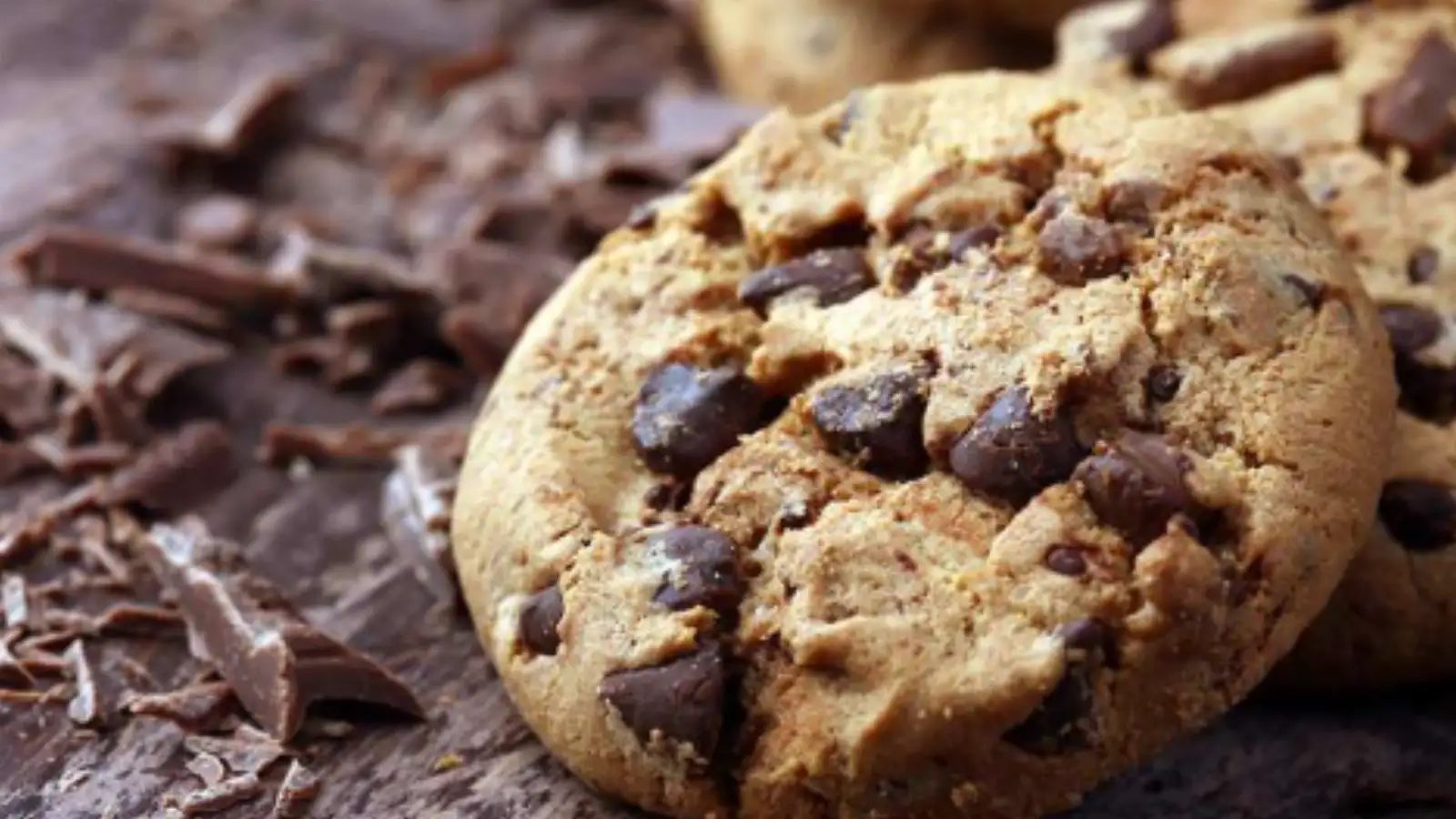
How Ruth Wakefield Changed Baking Forever
Long before chocolate chip cookies became a household favorite, Ruth Wakefield was known for serving delicious homemade meals and desserts at the Toll House Inn, which she owned with her husband in Massachusetts during the early 1930s.
She spent years refining recipes to impress her guests, constantly experimenting with ingredients and baking techniques. Her dedication to creating unique desserts eventually led to one of the greatest culinary inventions of the 20th century - the chocolate chip cookie.
Was the Chocolate Chip Cookie Really Invented by Accident?
A popular story claims that Wakefield expected pieces of semi-sweet chocolate mixed into cookie dough to melt completely while baking. Instead, the chocolate softened but retained its shape, creating rich pockets of chocolate throughout the cookie.
Although this version has been repeated for decades, historical records suggest the reality may have been different.
Documents preserved by academic institutions indicate that Wakefield intentionally developed the recipe through experimentation rather than stumbling upon it by chance. Instead of being a baking mishap, the cookie was likely the outcome of thoughtful recipe development inspired by evolving American baking traditions.
The Recipe That Brought a New Twist to Traditional Cookies
Wakefield's creation did not completely reinvent cookie baking. Instead, it improved upon familiar recipes by introducing chunks of semi-sweet chocolate that added both texture and bursts of flavor.
The combination proved irresistible. Each bite offered a balance of crisp edges, soft centers, and melted chocolate pieces that remained distinct instead of blending into the dough.
This simple but effective innovation made the recipe easy for home bakers to recreate, helping it gain popularity far beyond the walls of the Toll House Inn.
How Nestlé Helped Make Chocolate Chip Cookies a Household Favorite
The chocolate chip cookie's rise to fame accelerated thanks to commercial distribution.
As demand for Nestlé's semi-sweet chocolate increased, the company began printing Ruth Wakefield's Toll House cookie recipe directly on its chocolate packaging. This made the recipe easily accessible to millions of households across the United States.
With standardized ingredients and clear instructions available on every package, families could recreate the famous cookies in their own kitchens, turning what was once a regional specialty into a nationwide baking sensation.
From Local Dessert to Global Baking Icon
What started as a signature dessert at a roadside inn soon became one of America's most recognizable baked treats. The recipe spread rapidly through cookbooks, food packaging, and home kitchens, eventually becoming a staple around the world.
Its popularity has inspired countless variations, including double chocolate, peanut butter, oatmeal, stuffed, gluten-free, and vegan versions. Despite these modern twists, the original concept remains largely unchanged, proving the timeless appeal of Wakefield's invention.
The Lasting Legacy of Ruth Wakefield
Ruth Wakefield's contribution to baking extends far beyond a single recipe. Her thoughtful approach to experimentation demonstrated how small changes could create entirely new culinary experiences.
Today, chocolate chip cookies symbolize comfort, nostalgia, and homemade goodness. Whether enjoyed fresh from the oven or shared during celebrations, they continue to bring people together - just as Wakefield intended when she first served them to guests at the Toll House Inn.
The story behind the chocolate chip cookie history is not simply one of accidental discovery but of creativity, persistence, and innovation. Ruth Wakefield's carefully developed recipe reshaped home baking and became a defining part of American food culture. Thanks to its simple ingredients, unforgettable flavor, and widespread availability through commercial packaging, the chocolate chip cookie has earned its place as one of the world's most beloved desserts - a legacy that continues to delight generations of bakers and cookie lovers alike.
How Ruth Wakefield Changed Baking Forever
Long before chocolate chip cookies became a household favorite, Ruth Wakefield was known for serving delicious homemade meals and desserts at the Toll House Inn, which she owned with her husband in Massachusetts during the early 1930s.
She spent years refining recipes to impress her guests, constantly experimenting with ingredients and baking techniques. Her dedication to creating unique desserts eventually led to one of the greatest culinary inventions of the 20th century - the chocolate chip cookie.
Was the Chocolate Chip Cookie Really Invented by Accident?
A popular story claims that Wakefield expected pieces of semi-sweet chocolate mixed into cookie dough to melt completely while baking. Instead, the chocolate softened but retained its shape, creating rich pockets of chocolate throughout the cookie.
Although this version has been repeated for decades, historical records suggest the reality may have been different.
Documents preserved by academic institutions indicate that Wakefield intentionally developed the recipe through experimentation rather than stumbling upon it by chance. Instead of being a baking mishap, the cookie was likely the outcome of thoughtful recipe development inspired by evolving American baking traditions.
The Recipe That Brought a New Twist to Traditional Cookies
Wakefield's creation did not completely reinvent cookie baking. Instead, it improved upon familiar recipes by introducing chunks of semi-sweet chocolate that added both texture and bursts of flavor.
The combination proved irresistible. Each bite offered a balance of crisp edges, soft centers, and melted chocolate pieces that remained distinct instead of blending into the dough.
This simple but effective innovation made the recipe easy for home bakers to recreate, helping it gain popularity far beyond the walls of the Toll House Inn.
You may also like
- Arizona man arrested after allegedly living in national forest for 8 years amid 1,000 pounds of garbage
- Why Goddess Parvati Never Waited for the Perfect Moment
- 5 Bhagavad Gita Shlokas on Detachment That Help You Let Go of One-Sided Friendships
- Insurance: Woman dies 8 days after taking out insurance; family moves court and secures a claim worth lakhs
- Train News: Railways revises routes and operations of several trains on July 8; check the updated list before your journey.
How Nestlé Helped Make Chocolate Chip Cookies a Household Favorite
The chocolate chip cookie's rise to fame accelerated thanks to commercial distribution.
As demand for Nestlé's semi-sweet chocolate increased, the company began printing Ruth Wakefield's Toll House cookie recipe directly on its chocolate packaging. This made the recipe easily accessible to millions of households across the United States.
With standardized ingredients and clear instructions available on every package, families could recreate the famous cookies in their own kitchens, turning what was once a regional specialty into a nationwide baking sensation.
From Local Dessert to Global Baking Icon
What started as a signature dessert at a roadside inn soon became one of America's most recognizable baked treats. The recipe spread rapidly through cookbooks, food packaging, and home kitchens, eventually becoming a staple around the world.
Its popularity has inspired countless variations, including double chocolate, peanut butter, oatmeal, stuffed, gluten-free, and vegan versions. Despite these modern twists, the original concept remains largely unchanged, proving the timeless appeal of Wakefield's invention.
The Lasting Legacy of Ruth Wakefield
Ruth Wakefield's contribution to baking extends far beyond a single recipe. Her thoughtful approach to experimentation demonstrated how small changes could create entirely new culinary experiences.
Today, chocolate chip cookies symbolize comfort, nostalgia, and homemade goodness. Whether enjoyed fresh from the oven or shared during celebrations, they continue to bring people together - just as Wakefield intended when she first served them to guests at the Toll House Inn.
The story behind the chocolate chip cookie history is not simply one of accidental discovery but of creativity, persistence, and innovation. Ruth Wakefield's carefully developed recipe reshaped home baking and became a defining part of American food culture. Thanks to its simple ingredients, unforgettable flavor, and widespread availability through commercial packaging, the chocolate chip cookie has earned its place as one of the world's most beloved desserts - a legacy that continues to delight generations of bakers and cookie lovers alike.






Loving Newspoint? Download the app now
