
A Paradigm Shift: How Gen Z Blended Humor, Community, and Courage at Jantar Mantar

For years, Gen Z faced frequent criticism from older cohorts, particularly Millennials who often labeled them as "chronically online," overly sensitive, performative, or easily overwhelmed by routine stress. However, the student-led demonstrations at New Delhi's Jantar Mantar transformed those perceptions. As videos and ground reports circulated across social media platforms, a distinct shift occurred among older critics, leading many Millennials to express admiration and offer public apologies for underestimating the younger generation.
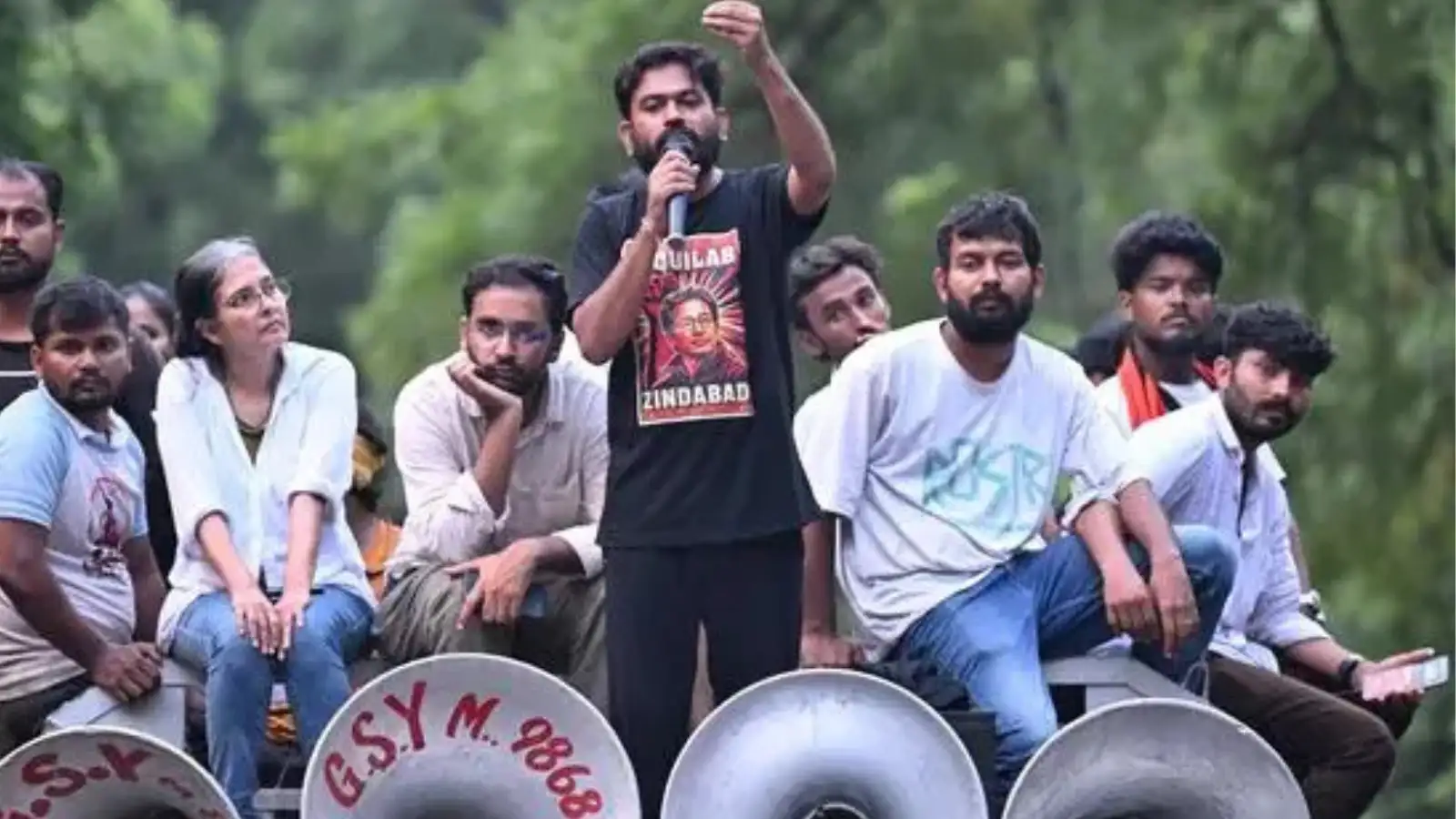
The movement, organized around demands for educational reforms and systemic accountability following paper leak controversies, drew massive participation from young people across the country. Rather than shying away from confrontation or remaining passive online users, Gen Z demonstrated a level of spine, unity, and sustained civic resolve that surprised veteran observers and older generations alike.
Combining Humor, Creativity, and Serious Activism
What set this movement apart was how Gen Z seamlessly integrated its digital-native identity into physical protest spaces. Rather than adopting purely somber or traditional political formats, young protesters brought memes, viral audio trends, humor, and pop culture references straight onto physical placards. Social media feeds turned into real-time newsrooms filled with creative content that kept audiences engaged while maintaining focus on core demands.
You may also like
- Home Loan Tips: Repay the loan early or invest the money? Find out which option is more beneficial..
- The Indian Rupee will now be accepted in this country; approval granted to carry ₹200 and ₹500 notes..
- Mumbai–Bengaluru Vande Bharat Sleeper's First AC coach gets a stunning luxury makeover; see the video
- Birth Order and Intelligence: Why do siblings raised in the same home have different brains?
- Water Bottle Smell Problem: Does the bottle smell bad even after washing it daily? Quit this habit.
Protesters turned moments of high tension into creative expressions of dissent, using satire, impromptu jam sessions, and online edits to cope with stress while keeping momentum high. This ability to inject levity into serious political activism made the movement accessible and relatable, proving that humor and genuine commitment can coexist effectively during public demonstrations.
Ground-Level Mutual Aid and Community Responsibility
Beyond viral posts and creative placards, Gen Z earned deep respect through organized ground-level support and mutual aid. Under harsh weather conditions, young volunteers managed logistics directly at the protest ground, distributing water, food, medical kits, and sanitary supplies to fellow participants. Protesters took turns fanning one another, offering support during moments of exhaustion, and caring for complete strangers.
Furthermore, participants took active responsibility for maintaining public spaces, organizing cleanliness drives to collect discarded wrappers, water bottles, and food containers scattered near Sansad Marg. This combination of civic duty, self-discipline, and environmental mindfulness directly challenged stereotypes of Gen Z as an entitled or indifferent generation.
Redefining the Language of Dissent
The Jantar Mantar movement highlighted how each generation crafts its own unique approach to civic engagement. By utilizing online networks to organize, document, and amplify demands in real time, Gen Z built a supportive community that extended far beyond traditional political organizations.For Millennials observing the movement, the outcome was a newfound respect for their younger counterparts. By standing up for systemic reforms with dignity, humor, and care, Gen Z demonstrated that they are fully capable of leading social movements and shaping the nation's political discourse on their own terms.






Loving Newspoint? Download the app now
