
How Did Social Media Turn Everyday Coffee Culture Into an Expensive and Exclusive Niche Hobby?

The fast-paced routine of urban lifestyle often relies on quick, simple comforts to help people power through demanding work schedules and busy daily commitments. For decades, a basic hot beverage served as the ultimate accessible morning pick-me-up, requiring nothing more than a quick spoonful of instant granules mixed with hot water and milk. However, the contemporary landscape has experienced a massive shift toward premium aesthetic lifestyle habits. What used to be a straightforward routine has slowly transformed into an intricate, gatekept hobby driven by a wave of elite consumer behavior. This growing wave of pretentious trends has completely altered how regular crowds view their daily cup, giving rise to an exclusive new social circle. As specialized cafes take over urban spaces, a highly specific coffee culture is dominating social media feeds and changing how urban crowds interact with their favorite drink.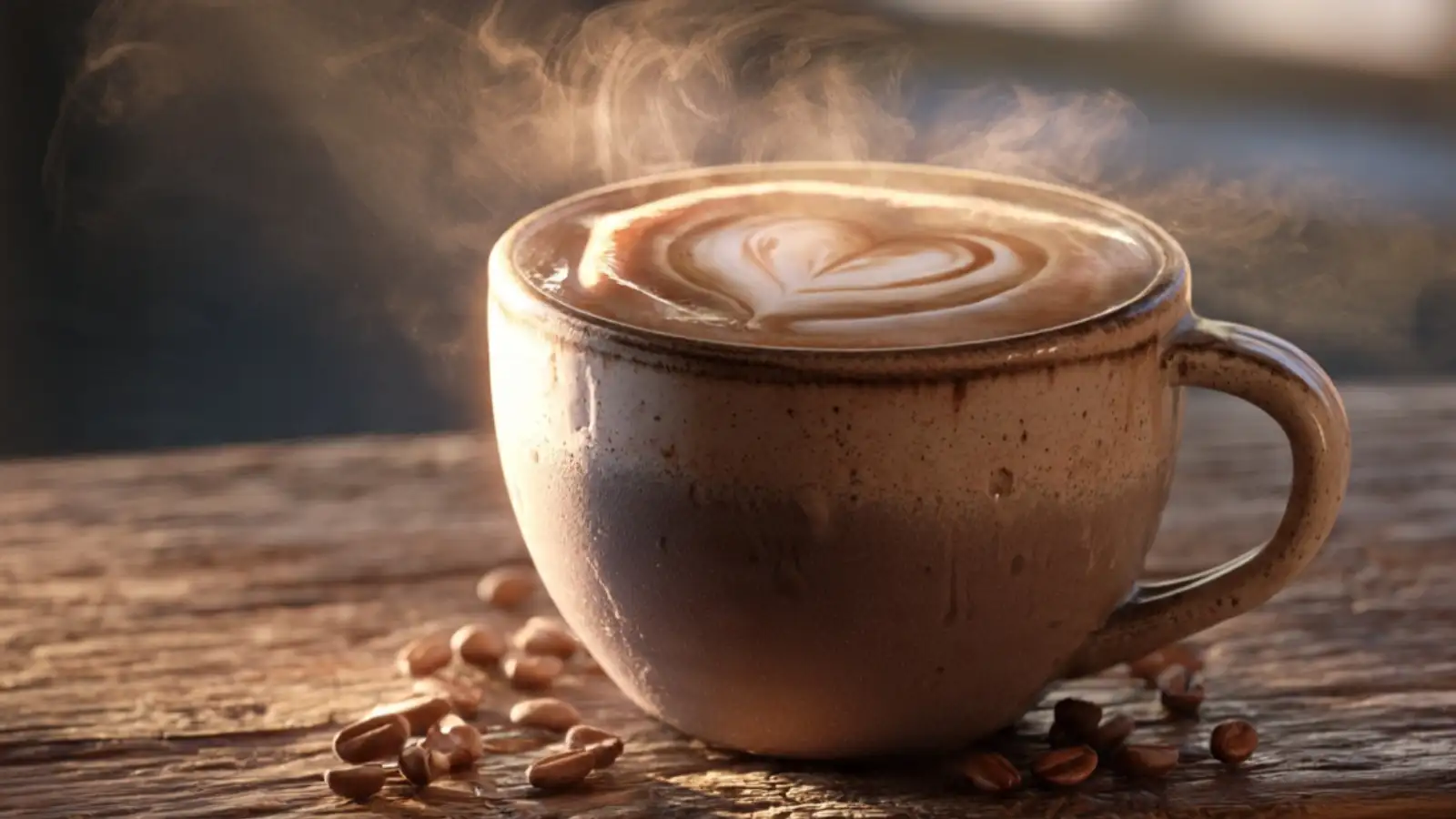
This modern shift in coffee culture has introduced regular consumers to complex terms, expensive machinery brands like La Marzocco, and detailed extraction measurements. Industry experts note that while exploring unique bean origins enhances flavor, the environment has quickly turned elitist, where a person's specific dairy substitute or bean choice functions as a public badge of sophistication.
The sudden explosion of these specialized lifestyle habits has given rise to an entire economy built around premium consumer knowledge.
Interestingly, this intense obsession with hyper-specific preparation methods contrasts sharply with how the world's highest-consuming nations approach their daily routine. In countries like Finland, where daily breaks are legally protected, citizens prefer simple drip machines and affordable light roasts without any underlying social judgment.
Similarly, iconic processing styles in Japan and Vietnam focus entirely on practical enjoyment, using quick flash-heating methods or adding local ingredients to enhance the taste naturally. Even with the rapid rise of specialty cafes locally, the majority of the market still relies on basic instant options, and the sweet, milky cappuccino remains the most popular order. Ultimately, while exploring advanced brewing techniques brings exciting new flavors to the table, keeping things accessible reminds us that a good drink should provide comfort rather than become a tool for social pretension.
How the Third Wave Movement Made Making a Daily Cup Complicated
The evolution of hot beverage habits in the country has transitioned from a basic kitchen utility into a niche artistic pursuit, marked heavily by the emergence of specialized roasting houses. Instead of picking up affordable, mass-produced commercial jars from grocery store shelves, enthusiasts are shifting toward single-estate beans and intricate flavor profiles.This modern shift in coffee culture has introduced regular consumers to complex terms, expensive machinery brands like La Marzocco, and detailed extraction measurements. Industry experts note that while exploring unique bean origins enhances flavor, the environment has quickly turned elitist, where a person's specific dairy substitute or bean choice functions as a public badge of sophistication.
Expensive Educational Workshops and the Rise of Elitist Consumer Habits
The sudden explosion of these specialized lifestyle habits has given rise to an entire economy built around premium consumer knowledge.
- High Barrier to Entry: Gourmet training sessions covering crop-to-cup processes can cost anywhere from thirty thousand to fifty thousand rupees, where participants study how micro-climates and precise grinding textures impact flavor.
- Social Distinction: Culinary educators explain that this highly specific knowledge is designed to teach individuals how to reject generic options, effectively creating a barrier that separates self-proclaimed connoisseurs from the average public.
How Major Global Consumers Keep Their Beverage Habits Low Fuss
Interestingly, this intense obsession with hyper-specific preparation methods contrasts sharply with how the world's highest-consuming nations approach their daily routine. In countries like Finland, where daily breaks are legally protected, citizens prefer simple drip machines and affordable light roasts without any underlying social judgment.
Similarly, iconic processing styles in Japan and Vietnam focus entirely on practical enjoyment, using quick flash-heating methods or adding local ingredients to enhance the taste naturally. Even with the rapid rise of specialty cafes locally, the majority of the market still relies on basic instant options, and the sweet, milky cappuccino remains the most popular order. Ultimately, while exploring advanced brewing techniques brings exciting new flavors to the table, keeping things accessible reminds us that a good drink should provide comfort rather than become a tool for social pretension.
Next Story