
New to Gardening? Here Are the Mistakes to Watch Out For

Starting a garden is an exciting experience, but beginners often learn through trial and error. While a few mistakes are part of the journey, understanding the most common pitfalls can help plants thrive and make gardening more enjoyable. Here are some of the mistakes new gardeners frequently make and simple ways to avoid them.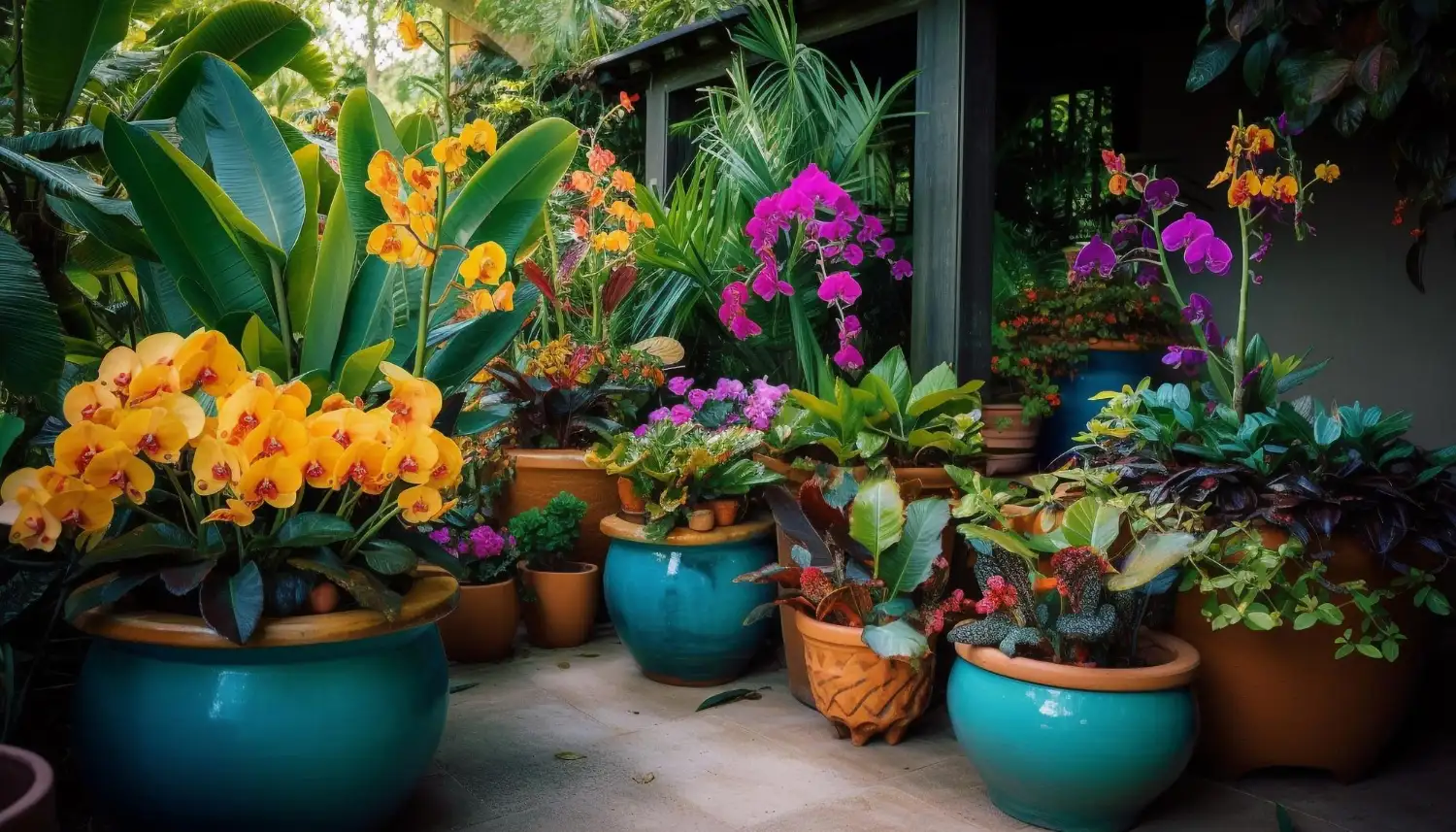
Choosing the Wrong Plants
Many beginners select plants based on appearance rather than whether they suit the local climate. Some plants need full sun, while others prefer shade or cooler temperatures. Picking varieties that match your region and growing conditions greatly improves the chances of success.
Ignoring Sunlight Requirements
Not all plants need the same amount of sunlight. Placing sun-loving vegetables in a shady spot or shade-loving plants in intense afternoon sun can stunt growth or damage leaves. Observe how much sunlight different parts of your garden receive before planting.
Overwatering Plants
One of the most common gardening mistakes is watering too often. Excess water can deprive roots of oxygen and encourage root rot. Instead of watering on a fixed schedule, check the soil moisture first and water only when the top layer begins to dry, depending on the needs of the plant.
Forgetting About Soil Health
Healthy plants begin with healthy soil. Many beginners plant directly into poor or compacted soil without improving it. Mixing in compost or well-rotted organic matter can enhance soil structure, improve drainage, and provide essential nutrients for stronger plant growth.
Planting Too Close Together
Young seedlings may look small, but they need room to grow. Crowded plants compete for sunlight, water, and nutrients while reducing airflow, which can increase the risk of diseases. Always follow the recommended spacing provided for each plant.
Using Too Much Fertilizer
More fertilizer does not always mean better growth. Overfertilizing can damage roots, encourage excessive leafy growth, and reduce flowering or fruit production in some plants. Apply fertilizers according to the product instructions and the specific needs of the crop.
Neglecting Weed Control
Weeds compete with garden plants for moisture, nutrients, and sunlight. Allowing them to spread makes them harder to remove later. Regular weeding and adding a layer of mulch can help keep unwanted plants under control while conserving soil moisture.
Skipping Mulch
Many beginners overlook the benefits of mulch. Organic mulch helps retain moisture, regulates soil temperature, suppresses weeds, and gradually improves soil as it breaks down. Keeping mulch slightly away from plant stems helps prevent excess moisture around the base.
Not Watching for Pests and Diseases
Small pest problems can quickly become serious if left unnoticed. Regularly inspect leaves, stems, and flowers for signs of insects, holes, discoloration, or fungal growth. Early detection often allows simple solutions before major damage occurs.
Expecting Instant Results
Gardening requires patience. Seeds take time to germinate, plants grow at different rates, and even experienced gardeners face occasional setbacks. Learning from each season and adjusting your techniques leads to healthier gardens and greater confidence over time.
Every gardener makes mistakes in the beginning, and each one offers a valuable lesson. By choosing suitable plants, caring for the soil, watering wisely, and paying attention to your garden's changing needs, you'll build healthy gardening habits. With patience and consistent care, even a small garden can flourish and reward you with beautiful flowers, fresh vegetables, or lush greenery.
Choosing the Wrong Plants
Many beginners select plants based on appearance rather than whether they suit the local climate. Some plants need full sun, while others prefer shade or cooler temperatures. Picking varieties that match your region and growing conditions greatly improves the chances of success. Ignoring Sunlight Requirements
Not all plants need the same amount of sunlight. Placing sun-loving vegetables in a shady spot or shade-loving plants in intense afternoon sun can stunt growth or damage leaves. Observe how much sunlight different parts of your garden receive before planting. Overwatering Plants
One of the most common gardening mistakes is watering too often. Excess water can deprive roots of oxygen and encourage root rot. Instead of watering on a fixed schedule, check the soil moisture first and water only when the top layer begins to dry, depending on the needs of the plant. Forgetting About Soil Health
Healthy plants begin with healthy soil. Many beginners plant directly into poor or compacted soil without improving it. Mixing in compost or well-rotted organic matter can enhance soil structure, improve drainage, and provide essential nutrients for stronger plant growth.You may also like
- How Bollywood's women grew up with India
- PMGKAY Scheme: Good news for ration card holders; government takes a major decision regarding rice quality..
- Amarnath Yatra 2026 begins today; find out the full details here—which route to take and what to carry..
- Devotees heading for the Amarnath Yatra will have access to free bus and taxi services around the clock, starting at 5 AM..
- Administration issues advisory for Amarnath Yatra 2026; arriving without registration could lead to difficulties..
Planting Too Close Together
Young seedlings may look small, but they need room to grow. Crowded plants compete for sunlight, water, and nutrients while reducing airflow, which can increase the risk of diseases. Always follow the recommended spacing provided for each plant. Using Too Much Fertilizer
More fertilizer does not always mean better growth. Overfertilizing can damage roots, encourage excessive leafy growth, and reduce flowering or fruit production in some plants. Apply fertilizers according to the product instructions and the specific needs of the crop. Neglecting Weed Control
Weeds compete with garden plants for moisture, nutrients, and sunlight. Allowing them to spread makes them harder to remove later. Regular weeding and adding a layer of mulch can help keep unwanted plants under control while conserving soil moisture. Skipping Mulch
Many beginners overlook the benefits of mulch. Organic mulch helps retain moisture, regulates soil temperature, suppresses weeds, and gradually improves soil as it breaks down. Keeping mulch slightly away from plant stems helps prevent excess moisture around the base.Not Watching for Pests and Diseases
Small pest problems can quickly become serious if left unnoticed. Regularly inspect leaves, stems, and flowers for signs of insects, holes, discoloration, or fungal growth. Early detection often allows simple solutions before major damage occurs. Expecting Instant Results
Gardening requires patience. Seeds take time to germinate, plants grow at different rates, and even experienced gardeners face occasional setbacks. Learning from each season and adjusting your techniques leads to healthier gardens and greater confidence over time. Every gardener makes mistakes in the beginning, and each one offers a valuable lesson. By choosing suitable plants, caring for the soil, watering wisely, and paying attention to your garden's changing needs, you'll build healthy gardening habits. With patience and consistent care, even a small garden can flourish and reward you with beautiful flowers, fresh vegetables, or lush greenery.






More from our partners


Loving Newspoint? Download the app now
