
Avoid These 5 Gardening Mistakes During A Heat Wave

A heat wave can be challenging for even the most established gardens. High temperatures, intense sunlight and dry conditions place extra stress on plants, making them more vulnerable to damage. While some plants naturally tolerate hot weather, others need additional care to stay healthy.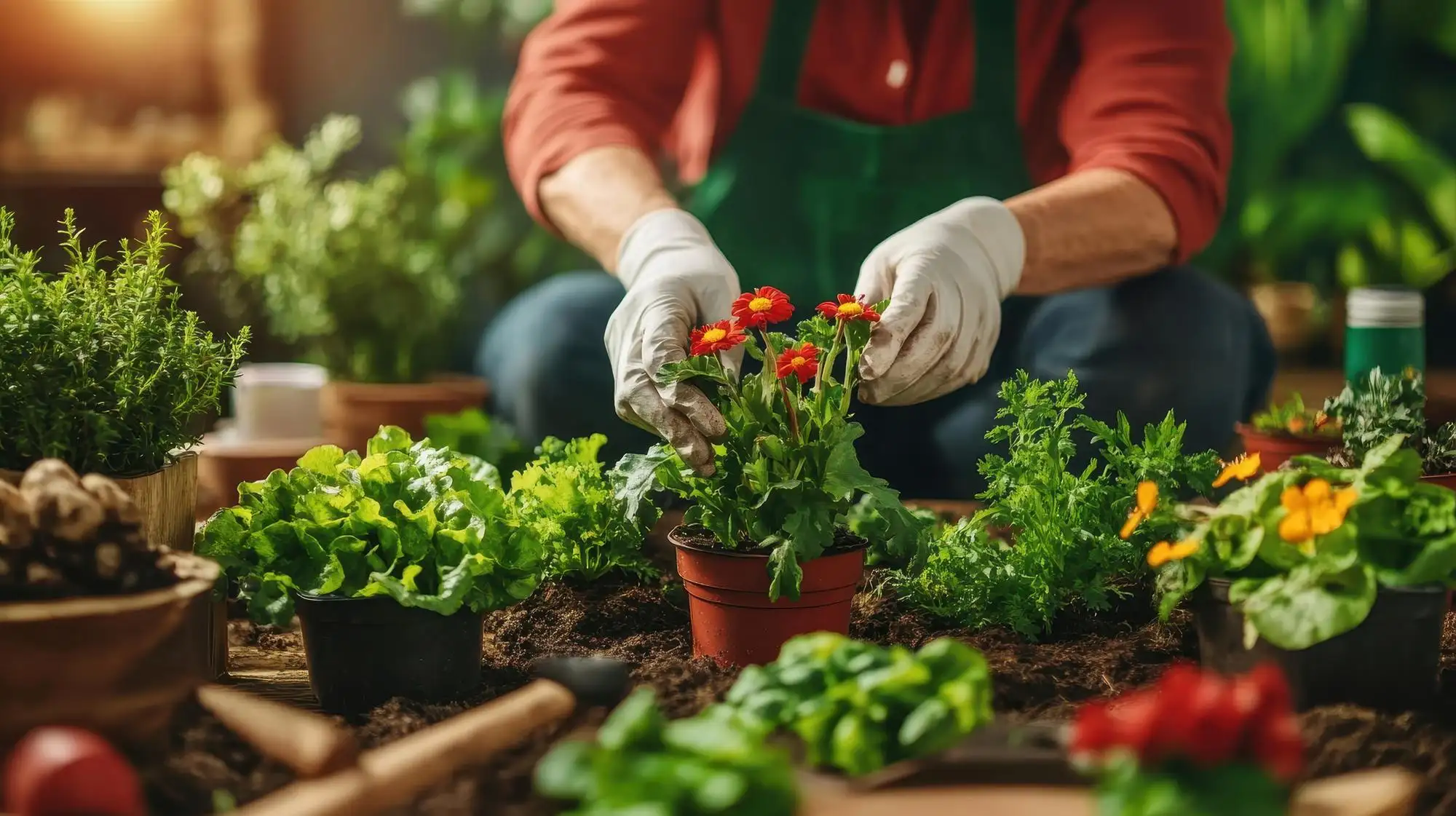
The good news is that many heat-related problems are caused by simple mistakes that are easy to fix. By avoiding these common gardening mistakes , you can protect your plants and enjoy a thriving garden throughout the summer.
Instead, water your plants early in the morning or during the evening when temperatures are cooler. This allows the soil to absorb more moisture and keeps plants hydrated for longer.
Also Read: Plant These 5 Hardy Perennials In August For Gorgeous Flowers
Applying organic mulch, such as bark, compost or straw, helps retain soil moisture, regulate temperature and reduce weed growth. Mulching is one of the simplest ways to protect plants from heat during extreme weather.
Rather than watering lightly every day, water deeply when the soil begins to dry. This encourages stronger root systems and healthier growth during heat wave gardening conditions.
If possible, postpone major pruning until temperatures become milder. During hot weather, simply remove dead or damaged leaves to help the plant conserve energy without causing unnecessary stress.
Move potted plants into partial shade where possible, provide extra watering when needed and consider using shade cloth to reduce direct sun exposure. Acting early can make a significant difference in keeping healthy plants throughout the summer.
Also Read: 10 Long-Blooming Perennial Flowers For A Colourful Garde
The good news is that many heat-related problems are caused by simple mistakes that are easy to fix. By avoiding these common gardening mistakes , you can protect your plants and enjoy a thriving garden throughout the summer.
1. Watering at the Wrong Time
One of the biggest plant care tips during a heat wave is knowing when to water. Watering in the middle of the day often results in rapid evaporation, meaning less moisture reaches the roots.Instead, water your plants early in the morning or during the evening when temperatures are cooler. This allows the soil to absorb more moisture and keeps plants hydrated for longer.
Also Read: Plant These 5 Hardy Perennials In August For Gorgeous Flowers
2. Forgetting to Mulch
Bare soil loses moisture quickly under intense sunlight. Without a protective layer, plant roots can become overheated and dry out faster.Applying organic mulch, such as bark, compost or straw, helps retain soil moisture, regulate temperature and reduce weed growth. Mulching is one of the simplest ways to protect plants from heat during extreme weather.
3. Overwatering Your Plants
While plants need more water during hot weather, giving them too much can be just as harmful. Constantly soggy soil may prevent roots from getting enough oxygen and increase the risk of root rot.Rather than watering lightly every day, water deeply when the soil begins to dry. This encourages stronger root systems and healthier growth during heat wave gardening conditions.
You may also like
- Wamiqa Gabbi's bold pixie cut is giving Princess Diana elegance and Zendaya energy
- More than petrichor: Why rain makes us feel happier, calmer, even nostalgic
- How does an account get drained without even sharing the OTP?
- Effective Skincare Tips for Oily Skin in Monsoon
- Revive Your Dried Mascara with Simple Home Remedies
4. Pruning During Extreme Heat
Heavy pruning during a heat wave can expose delicate stems and leaves to direct sunlight, increasing the risk of sun damage.If possible, postpone major pruning until temperatures become milder. During hot weather, simply remove dead or damaged leaves to help the plant conserve energy without causing unnecessary stress.
5. Ignoring Signs of Heat Stress
Wilting, curled leaves, scorched edges and faded foliage are all warning signs that plants are struggling with excessive heat. Ignoring these symptoms can lead to permanent damage.Move potted plants into partial shade where possible, provide extra watering when needed and consider using shade cloth to reduce direct sun exposure. Acting early can make a significant difference in keeping healthy plants throughout the summer.
Also Read: 10 Long-Blooming Perennial Flowers For A Colourful Garde
Extra Tips for Heat Wave Gardening
Along with avoiding these gardening mistakes, a few additional habits can improve your garden's resilience:- Check soil moisture before watering.
- Group plants with similar watering needs together.
- Avoid fertilising during extreme heat, as this may place additional stress on plants.
- Regularly inspect leaves for signs of dehydration or sun scorch.
Help Your Garden Thrive This Summer
Heat waves do not have to ruin your garden. By following sensible summer gardening practices and avoiding these common mistakes, you can reduce plant stress, improve water efficiency and maintain vibrant, healthy borders and containers throughout the season. A little extra care during periods of extreme heat goes a long way in protecting your garden.





Loving Newspoint? Download the app now
