
Cotton City of India: Why This City Became the Nation’s Cotton Capital

India’s Cotton City of India identity is most strongly linked with Mumbai, a metropolis that transformed from a colonial trading port into a global textile powerhouse. The story of how Mumbai earned this title is deeply rooted in history, industrial growth, and global economic shifts that reshaped cotton trade patterns worldwide.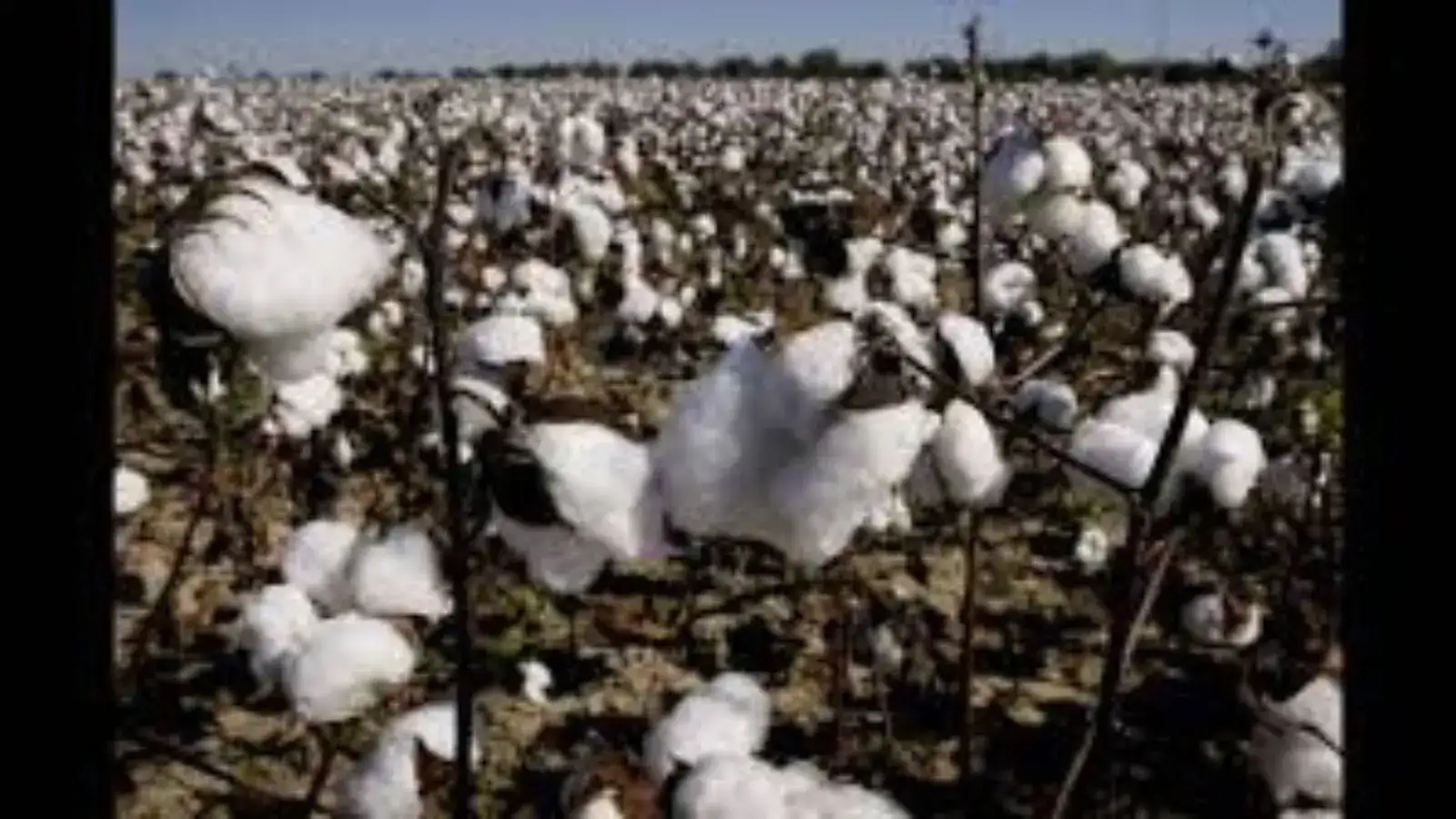
Ancient Roots of Cotton in India
India’s association with cotton dates back more than 5,000 years to the Indus Valley Civilisation, where early forms of cotton cultivation and weaving first emerged. For centuries, India was known for producing some of the world’s finest cotton textiles and even held a dominant position in global fabric trade.
However, this changed during British colonial rule. India was gradually turned into a supplier of raw cotton, while British mills manufactured finished textiles. This shift laid the foundation for cities like Mumbai to become major export hubs.
How Mumbai Became the Cotton Capital of India
The rise of Mumbai as the Cotton City of India was not accidental. Several historical and geographical factors combined to give the city a powerful advantage in the cotton trade.
The turning point came during the American Civil War (1861–1865). The war disrupted cotton supplies from the southern United States, creating a global shortage for British textile mills. To fill this gap, Britain turned to India - especially Mumbai (then Bombay) - for raw cotton. As a result, cotton exports from the city surged dramatically almost overnight.
Strategic Location and Industrial Growth
Mumbai’s natural advantages played a crucial role in strengthening its cotton industry. The city’s deep natural harbour made it one of the most efficient ports for international trade. Its proximity to cotton-growing regions like Gujarat and the Deccan Plateau ensured a steady supply of raw material.
Industrial development further boosted its status. In 1854, entrepreneur Cowasji Nanabhai Davar established the Bombay Spinning and Weaving Company, India’s first steam-powered cotton mill. This marked the beginning of large-scale textile manufacturing in the city, followed by the rapid expansion of over 100 cotton mills.
The arrival of railways connected Mumbai’s port directly to inland cotton-producing areas, while the opening of the Suez Canal in 1869 significantly reduced shipping time to Europe. These developments collectively earned Mumbai the title of the “Manchester of the East.”
Mumbai’s Role in India’s Cotton Economy
Today, cotton remains a major agricultural and industrial product in India. Maharashtra, where Mumbai is located, is one of the country’s leading cotton-producing states.
India produces large volumes of raw cotton annually, with domestic textile mills consuming most of the supply. The country also exports billions of dollars’ worth of cotton and cotton-based products every year, highlighting its strong position in the global textile market.
Even though cotton cultivation is spread across several states, Mumbai continues to hold historical importance as the hub that shaped India’s organised textile industry and early industrial labour movements.
Legacy of the Cotton Industry in Modern India
The cotton industry has played a major role in India’s economic development by generating employment, supporting trade networks, and strengthening manufacturing capabilities. Mumbai, in particular, was central to India’s early industrialisation and the rise of organised labour movements in textile mills.
Even today, the legacy of the cotton trade continues to influence India’s economy, connecting agriculture, industry, and global exports in a powerful supply chain.
The title Cotton City of India is most closely associated with Mumbai because of its unique combination of geography, historical timing, industrial innovation, and global trade opportunities. From colonial-era cotton booms to modern textile exports, Mumbai’s journey reflects the evolution of India’s cotton economy on the world stage.
Ancient Roots of Cotton in India
India’s association with cotton dates back more than 5,000 years to the Indus Valley Civilisation, where early forms of cotton cultivation and weaving first emerged. For centuries, India was known for producing some of the world’s finest cotton textiles and even held a dominant position in global fabric trade.
However, this changed during British colonial rule. India was gradually turned into a supplier of raw cotton, while British mills manufactured finished textiles. This shift laid the foundation for cities like Mumbai to become major export hubs.
How Mumbai Became the Cotton Capital of India
The rise of Mumbai as the Cotton City of India was not accidental. Several historical and geographical factors combined to give the city a powerful advantage in the cotton trade.
The turning point came during the American Civil War (1861–1865). The war disrupted cotton supplies from the southern United States, creating a global shortage for British textile mills. To fill this gap, Britain turned to India - especially Mumbai (then Bombay) - for raw cotton. As a result, cotton exports from the city surged dramatically almost overnight.
Strategic Location and Industrial Growth
Mumbai’s natural advantages played a crucial role in strengthening its cotton industry. The city’s deep natural harbour made it one of the most efficient ports for international trade. Its proximity to cotton-growing regions like Gujarat and the Deccan Plateau ensured a steady supply of raw material.
Industrial development further boosted its status. In 1854, entrepreneur Cowasji Nanabhai Davar established the Bombay Spinning and Weaving Company, India’s first steam-powered cotton mill. This marked the beginning of large-scale textile manufacturing in the city, followed by the rapid expansion of over 100 cotton mills.
The arrival of railways connected Mumbai’s port directly to inland cotton-producing areas, while the opening of the Suez Canal in 1869 significantly reduced shipping time to Europe. These developments collectively earned Mumbai the title of the “Manchester of the East.”
Mumbai’s Role in India’s Cotton Economy
Today, cotton remains a major agricultural and industrial product in India. Maharashtra, where Mumbai is located, is one of the country’s leading cotton-producing states.
You may also like
- From family albums to 'Instagram reels': How social media completely changed the way we travel
- Flat Head Syndrome in Babies: What Helps and When Helmets Are Needed
- Charcot foot: The hidden diabetic complication that many patients overlook
- SBI Card Rules: Monthly Caps and No Exemptions in Several Categories—SBI Cards Revises Rules; When Will They Take Effect?
- Pashu Kisan Credit Card: Livestock-rearing farmers will be able to avail collateral-free loans with this card..
India produces large volumes of raw cotton annually, with domestic textile mills consuming most of the supply. The country also exports billions of dollars’ worth of cotton and cotton-based products every year, highlighting its strong position in the global textile market.
Even though cotton cultivation is spread across several states, Mumbai continues to hold historical importance as the hub that shaped India’s organised textile industry and early industrial labour movements.
Legacy of the Cotton Industry in Modern India
The cotton industry has played a major role in India’s economic development by generating employment, supporting trade networks, and strengthening manufacturing capabilities. Mumbai, in particular, was central to India’s early industrialisation and the rise of organised labour movements in textile mills.
Even today, the legacy of the cotton trade continues to influence India’s economy, connecting agriculture, industry, and global exports in a powerful supply chain.
The title Cotton City of India is most closely associated with Mumbai because of its unique combination of geography, historical timing, industrial innovation, and global trade opportunities. From colonial-era cotton booms to modern textile exports, Mumbai’s journey reflects the evolution of India’s cotton economy on the world stage.






More from our partners


Loving Newspoint? Download the app now
