
Could Humans Survive on Another Planet? The Biggest Challenges Explained

Imagine waking up and looking out of your window to see a red desert stretching towards the horizon instead of trees, buildings or roads. There is no breathable air outside, no familiar rain and no easy way to call home. This sounds like science fiction, but scientists are seriously studying what it would take for humans to live beyond Earth. Mars is currently the leading candidate for a future human settlement, yet surviving there would be far more complicated than simply landing a spacecraft. From oxygen and water to radiation and food, almost every basic requirement for human life would have to be carefully engineered.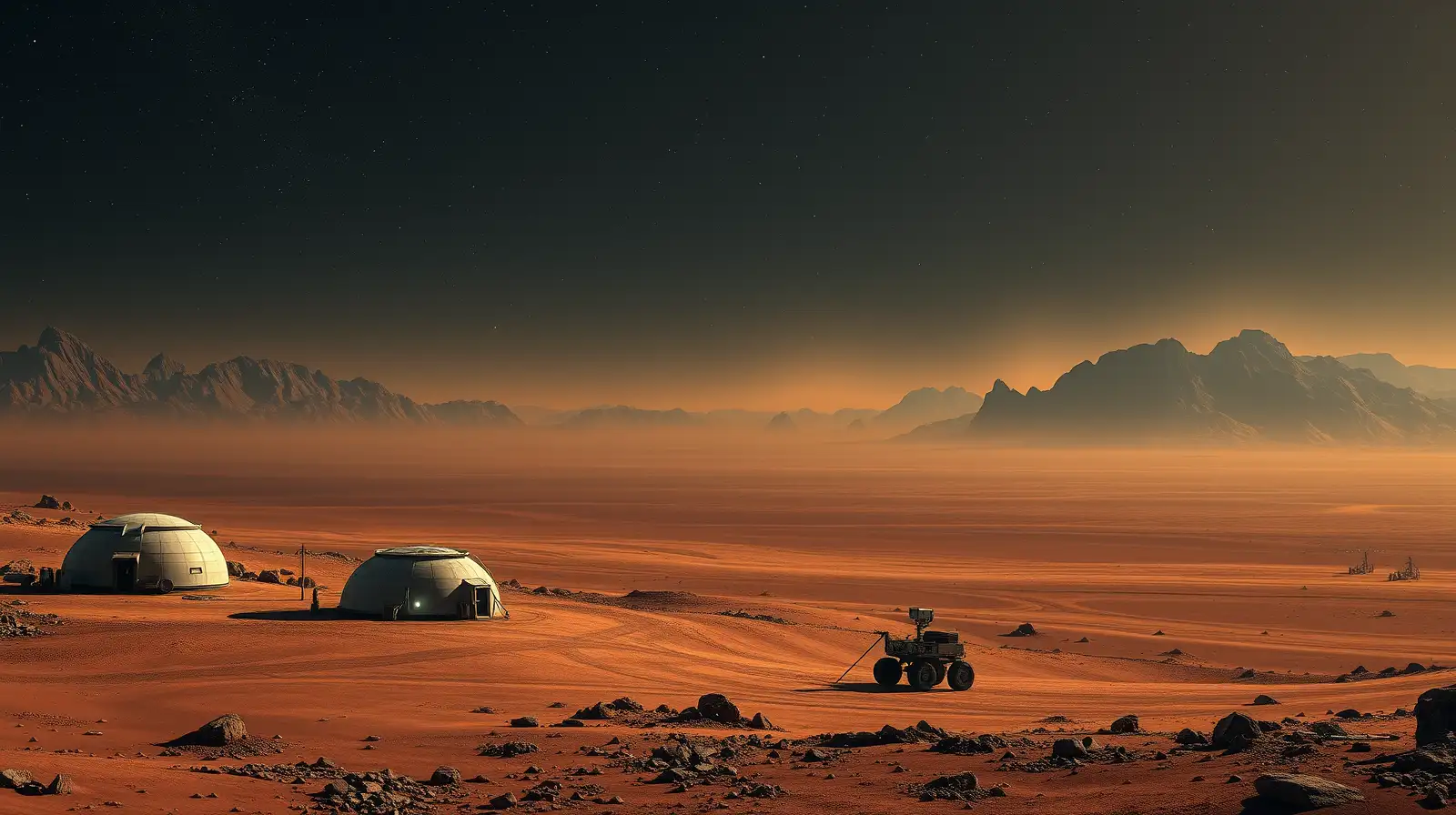
Water does exist on Mars, mainly as ice, but liquid water cannot remain stable on the surface for long because the atmosphere is so thin. Any future settlement would therefore need sophisticated systems to extract, purify and recycle water.
Astronauts aboard the International Space Station already rely on technology that recycles water and helps generate oxygen. NASA has demonstrated water recovery rates of up to 98%, showing how important closed-loop systems will be for future deep-space missions.
A Mars settlement would need systems capable of continuously recycling water, managing carbon dioxide and producing breathable oxygen with minimal supplies from Earth.
Habitats may eventually need to be heavily shielded, potentially using thick layers of Martian soil or underground structures.
Humans have already demonstrated that they can live for long periods in artificial environments aboard the International Space Station. The real challenge is creating a settlement that can operate independently, repair itself and produce enough air, water and food without constant shipments from Earth.
Interestingly, Mars was not always as hostile as it is today. NASA research suggests that ancient Mars once had a much thicker atmosphere and liquid water on its surface.
Perhaps the biggest lesson is this: humans may eventually survive on another planet, but we would have to take a tiny, carefully engineered version of Earth with us.
Mars Would Be Nothing Like Earth
Mars may be our closest realistic destination for a human settlement, but it is an extremely hostile place. Its atmosphere is about 96% carbon dioxide, while the air pressure is far too low for humans to breathe without protection. Temperatures can also fall dramatically, and dust storms can spread across huge areas of the planet.Water does exist on Mars, mainly as ice, but liquid water cannot remain stable on the surface for long because the atmosphere is so thin. Any future settlement would therefore need sophisticated systems to extract, purify and recycle water.
Oxygen Would Have To Be Made
On Earth, oxygen is simply part of the environment. On another planet, it becomes a precious resource.Astronauts aboard the International Space Station already rely on technology that recycles water and helps generate oxygen. NASA has demonstrated water recovery rates of up to 98%, showing how important closed-loop systems will be for future deep-space missions.
You may also like
- Why Am I Losing Weight While Breastfeeding?
- Is Snake Hiding in Your House? 6 Signs You Can't Ignore
- 7 Home Remedies to Treat Lice in Kids Naturally
- 6 Home Remedies To Treat Tanning in Toddlers
- Get up to 300 free electricity units every month with the PM Surya Ghar Muft Bijli Yojana. Check all the key benefits.
A Mars settlement would need systems capable of continuously recycling water, managing carbon dioxide and producing breathable oxygen with minimal supplies from Earth.
Radiation Is A Hidden Danger
One of the biggest threats would come from something humans cannot see. Mars lacks a global magnetic field like Earth's, and its atmosphere provides much less protection from space radiation. Astronauts travelling to and living on Mars would therefore face increased radiation exposure.Habitats may eventually need to be heavily shielded, potentially using thick layers of Martian soil or underground structures.
Could Humans Actually Survive?
The answer is technically possible, but not yet practical on a large scale.Humans have already demonstrated that they can live for long periods in artificial environments aboard the International Space Station. The real challenge is creating a settlement that can operate independently, repair itself and produce enough air, water and food without constant shipments from Earth.
Interestingly, Mars was not always as hostile as it is today. NASA research suggests that ancient Mars once had a much thicker atmosphere and liquid water on its surface.
Perhaps the biggest lesson is this: humans may eventually survive on another planet, but we would have to take a tiny, carefully engineered version of Earth with us.






Loving Newspoint? Download the app now
