
Countries with the Cleanest Air in the World You Should Know About

Clean air is something many people take for granted until it becomes scarce. As cities continue to grow and industrial activity increases, air pollution has become one of the world's biggest environmental and public health challenges. According to the World Health Organization, air pollution contributes to millions of premature deaths every year. Yet some countries continue to enjoy remarkably clean air thanks to strict environmental policies, low population density, abundant forests and a commitment to sustainable development. Beyond protecting health, clean air also enhances quality of life, preserves natural ecosystems and makes outdoor activities far more enjoyable. These countries demonstrate that cleaner air is not simply good fortune but often the result of thoughtful planning and long-term environmental stewardship.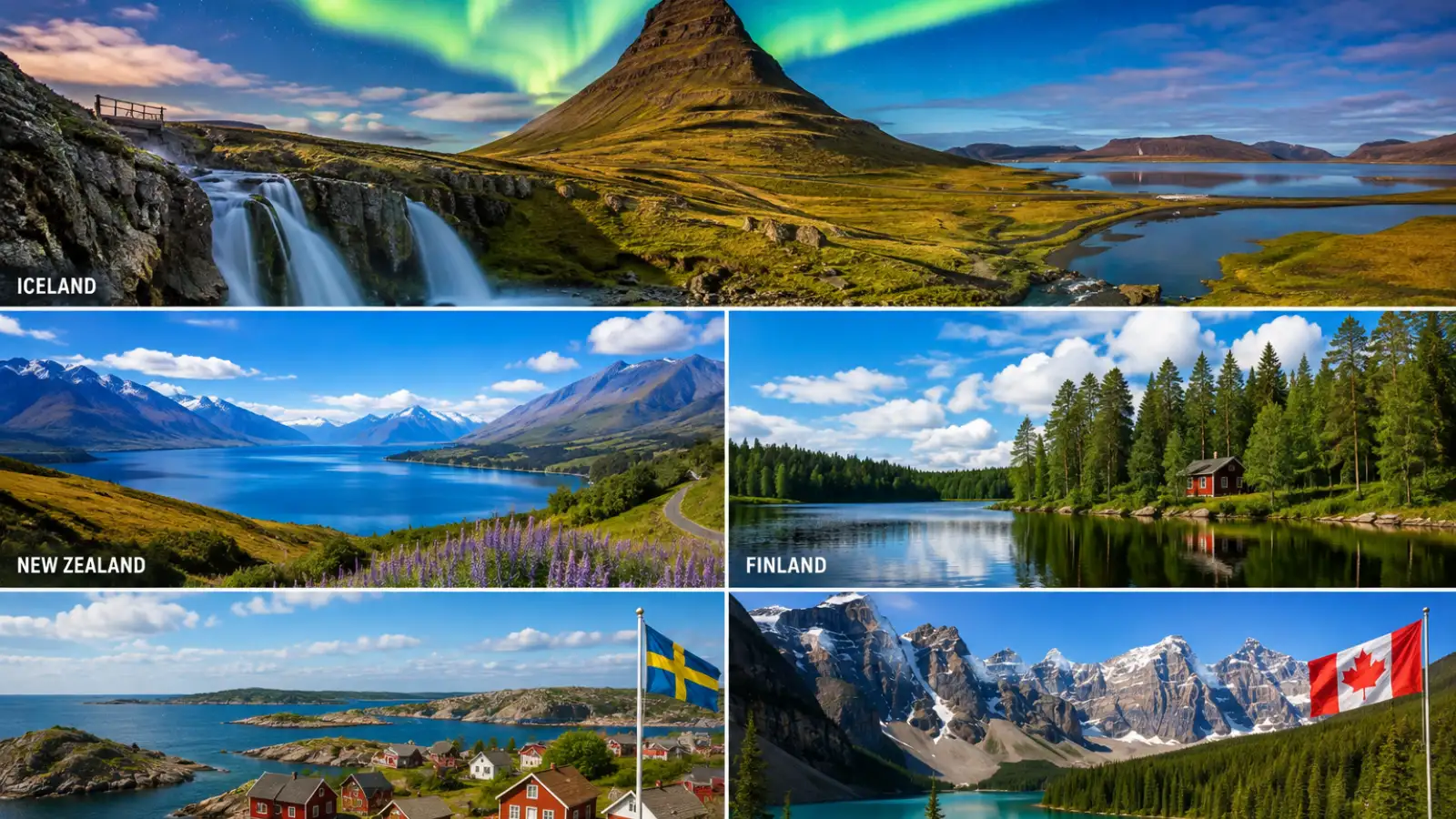
Clean air improves overall wellbeing, supports healthier communities and protects wildlife and natural landscapes. As climate change and urbanisation continue to reshape the planet, maintaining good air quality has become a global priority.
Its small population, vast open landscapes and limited heavy industry help preserve exceptional air quality. Visitors often remark on the freshness of the air while exploring Iceland's waterfalls, glaciers and volcanic scenery.
Finland is another global leader. Around three-quarters of the country is covered by forests, which naturally filter pollutants while absorbing carbon dioxide. Finnish cities also invest heavily in sustainable transport and green urban planning.
Sweden combines renewable energy with strict emissions standards, making it one of Europe's cleanest countries. Public transport, cycling infrastructure and environmental awareness all play important roles.
Canada also enjoys relatively clean air across much of its vast territory. Although large cities occasionally experience seasonal wildfire smoke, extensive forests and low population density help maintain excellent air quality in many regions.
Individuals can also learn from these examples by supporting greener transport, planting more trees and reducing unnecessary emissions in their own communities.
The countries with the cleanest air show that protecting the environment and improving quality of life can go hand in hand. From Iceland's renewable energy to Finland's vast forests and New Zealand's conservation efforts, these nations demonstrate that cleaner air is achievable through smart policies and responsible living. As concerns about pollution continue to grow, they offer valuable lessons for the rest of the world and remind us that clean air is one of our most precious natural resources.
Why Air Quality Matters More Than Ever
The air we breathe directly affects nearly every part of our health. Fine particulate matter, known as PM2.5, can penetrate deep into the lungs and even enter the bloodstream, increasing the risk of respiratory disease, heart conditions and other chronic illnesses.Clean air improves overall wellbeing, supports healthier communities and protects wildlife and natural landscapes. As climate change and urbanisation continue to reshape the planet, maintaining good air quality has become a global priority.
Iceland Sets the Benchmark
Iceland consistently ranks among the countries with the cleanest air in the world. Powered largely by renewable geothermal and hydroelectric energy, the country produces very low levels of industrial pollution.Its small population, vast open landscapes and limited heavy industry help preserve exceptional air quality. Visitors often remark on the freshness of the air while exploring Iceland's waterfalls, glaciers and volcanic scenery.
You may also like
- Ranbir Kapoor And Yash's Powerful Ramayana Dialogues Grab Attention
- Text Neck Syndrome: Mobile addiction is making the neck old, know how?
- Three health checkups a year can reduce hospital costs, reveals report.
- Robotic Valve Replacement: Safdarjung sets world record, performs unique heart surgery with robot
- Ram Kapoor Opens Up About His Struggles on Lock Upp: A Journey Through Depression and Redemption
New Zealand and Finland Lead Through Nature
New Zealand benefits from its remote location, strong environmental regulations and extensive national parks. Ocean winds continually refresh the air, while conservation efforts protect much of the country's natural environment.Finland is another global leader. Around three-quarters of the country is covered by forests, which naturally filter pollutants while absorbing carbon dioxide. Finnish cities also invest heavily in sustainable transport and green urban planning.
Estonia, Sweden and Canada Continue to Impress
Estonia has become recognised for balancing economic growth with environmental responsibility. Significant investment in clean technologies and protected forests contributes to excellent air quality.Sweden combines renewable energy with strict emissions standards, making it one of Europe's cleanest countries. Public transport, cycling infrastructure and environmental awareness all play important roles.
Canada also enjoys relatively clean air across much of its vast territory. Although large cities occasionally experience seasonal wildfire smoke, extensive forests and low population density help maintain excellent air quality in many regions.
Clean Air Benefits Everyone
Countries with clean air often experience additional advantages beyond public health. Tourism flourishes where visitors can enjoy pristine landscapes, while healthier populations may place less pressure on healthcare systems.Individuals can also learn from these examples by supporting greener transport, planting more trees and reducing unnecessary emissions in their own communities.
The countries with the cleanest air show that protecting the environment and improving quality of life can go hand in hand. From Iceland's renewable energy to Finland's vast forests and New Zealand's conservation efforts, these nations demonstrate that cleaner air is achievable through smart policies and responsible living. As concerns about pollution continue to grow, they offer valuable lessons for the rest of the world and remind us that clean air is one of our most precious natural resources.






Loving Newspoint? Download the app now
