
How Dancing Boosts Brain Health And Mental Wellbeing

When people think about improving brain health , activities such as puzzles, reading or meditation often come to mind. However, one of the most enjoyable ways to keep your brain active may be much simpler: dancing.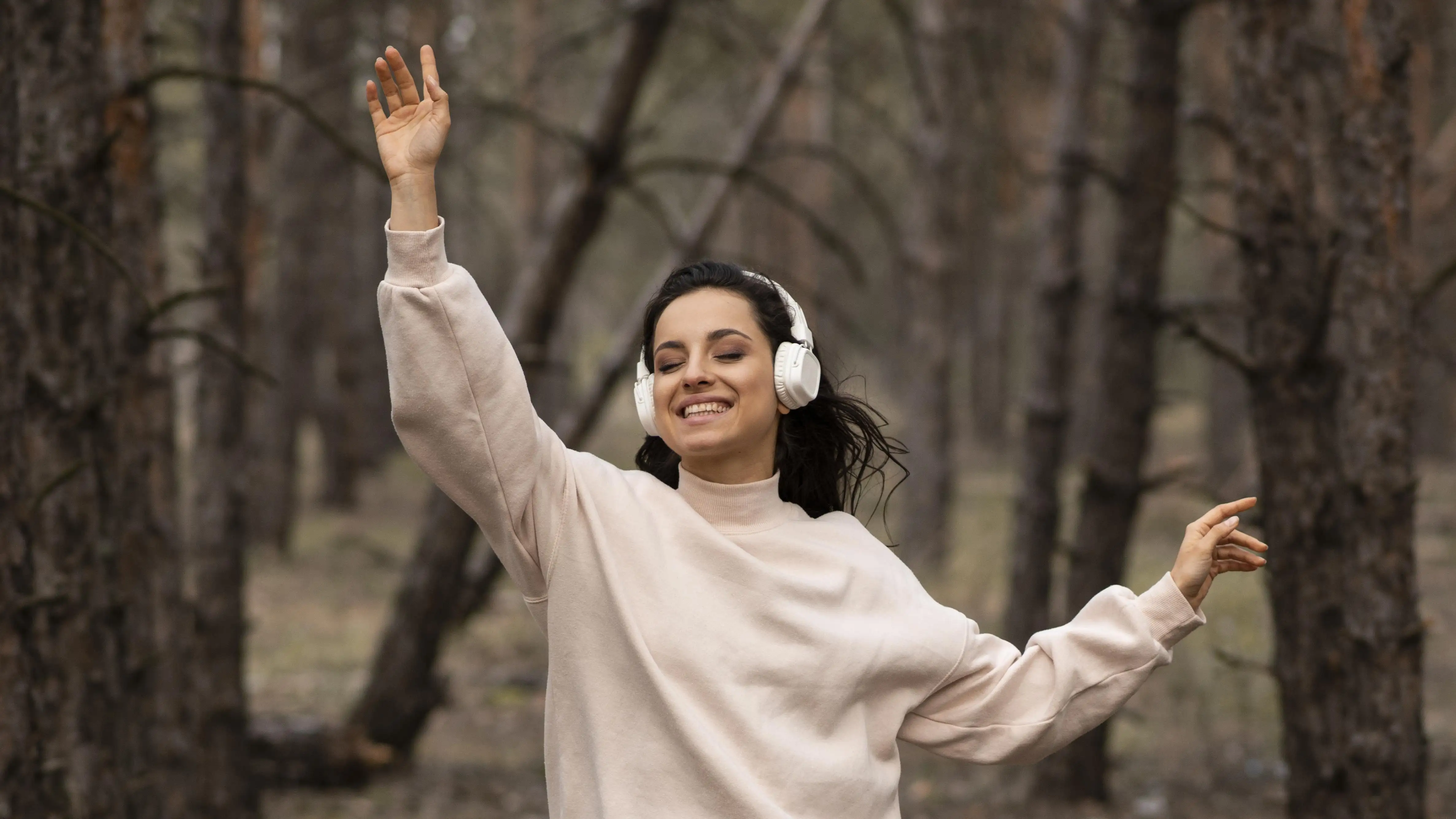
From ballroom and salsa to hip-hop and freestyle, dancing combines physical movement with music, coordination and memory. This unique combination makes it an excellent activity for supporting brain function , improving mood and promoting long-term cognitive health . Better still, you do not need to be a professional dancer to experience these benefits.
This mental challenge helps strengthen the connections between different parts of the brain. Regular dancing can improve concentration, coordination and problem-solving skills while keeping the mind engaged.
Whether you are mastering a simple routine or practising more advanced choreography, remembering steps provides a valuable mental workout that benefits people of all ages.
Many people find that dancing helps reduce everyday stress, lifts their mood and increases confidence. Group dance classes also provide opportunities to connect with others, helping reduce feelings of loneliness while promoting emotional health.
Also Read: Doomscrolling and Mental Health: How Endless Scrolling Impacts Your Mind and Simple Ways to Stop
These physical improvements are especially valuable as people grow older, helping maintain mobility and reducing the risk of falls. Because dancing combines movement with thinking, it supports both physical fitness and healthy brain function simultaneously.
Unlike repetitive workouts, every dance style offers new patterns, rhythms and techniques to learn, keeping the brain stimulated and preventing boredom.
From ballroom and salsa to hip-hop and freestyle, dancing combines physical movement with music, coordination and memory. This unique combination makes it an excellent activity for supporting brain function , improving mood and promoting long-term cognitive health . Better still, you do not need to be a professional dancer to experience these benefits.
Dancing Gives Your Brain a Full Workout
Unlike many forms of exercise, dancing requires both your body and your mind to work together. As you learn and remember different steps, your brain is constantly processing information, planning movements and responding to rhythm.This mental challenge helps strengthen the connections between different parts of the brain. Regular dancing can improve concentration, coordination and problem-solving skills while keeping the mind engaged.
It Can Improve Memory
Learning dance routines encourages the brain to store and recall sequences of movements. This repeated practice supports improve memory skills by exercising areas of the brain responsible for learning and recall.Whether you are mastering a simple routine or practising more advanced choreography, remembering steps provides a valuable mental workout that benefits people of all ages.
Dancing Supports Mental Wellbeing
Physical activity naturally stimulates the release of feel-good chemicals in the brain, including endorphins. Dancing adds another layer of enjoyment through music, creativity and social interaction, making it particularly effective for improving mental wellbeing.Many people find that dancing helps reduce everyday stress, lifts their mood and increases confidence. Group dance classes also provide opportunities to connect with others, helping reduce feelings of loneliness while promoting emotional health.
Also Read: Doomscrolling and Mental Health: How Endless Scrolling Impacts Your Mind and Simple Ways to Stop
You may also like
- Significance of Shravan Month: Eclipses and Worship of Lord Shiva
- Understanding Morning Headaches: Causes and Solutions
- Heart attack: Are you at risk for a heart attack? This test, which costs just ₹300, can save your life
- The Significance of Camphor and Cloves in Hindu Rituals
- Understanding the Ritual of Jalabhishek on Sawan Shivratri
It Improves Balance and Coordination
Dancing requires controlled movements, balance and body awareness. Over time, regular practice improves flexibility, posture and coordination.These physical improvements are especially valuable as people grow older, helping maintain mobility and reducing the risk of falls. Because dancing combines movement with thinking, it supports both physical fitness and healthy brain function simultaneously.
Dancing Encourages Lifelong Cognitive Health
Research suggests that activities involving both mental and physical engagement can help maintain cognitive health as we age. Dancing challenges the brain to adapt, learn and respond to changing movements, making it an excellent lifelong activity.Unlike repetitive workouts, every dance style offers new patterns, rhythms and techniques to learn, keeping the brain stimulated and preventing boredom.
Easy Ways to Start Dancing
You do not need expensive equipment or professional training to enjoy the benefits of dancing . You can begin by:- Dancing to your favourite songs at home.
- Joining a local dance or fitness class.
- Trying online dance tutorials.
- Learning a new dance style with friends or family.
A Fun Habit With Lasting Benefits
Looking after your brain health does not always require complicated routines. Dancing combines exercise, music, memory and social interaction into one enjoyable activity that benefits both the body and mind. Whether you dance for five minutes or an hour, every step can contribute to better brain function, improved mental wellbeing and a healthier lifestyle.





Loving Newspoint? Download the app now
