
7 Dangerous Stinging Plants You Should Never Touch

Nature has equipped many plants with impressive defence mechanisms, and some of them can be surprisingly painful. While most people are familiar with poison ivy, there are several dangerous stinging plants that can inflict far more severe reactions. Their tiny needle-like hairs inject irritating chemicals or powerful toxins into the skin, leading to burning pain, swelling and, in some cases, symptoms that persist for months.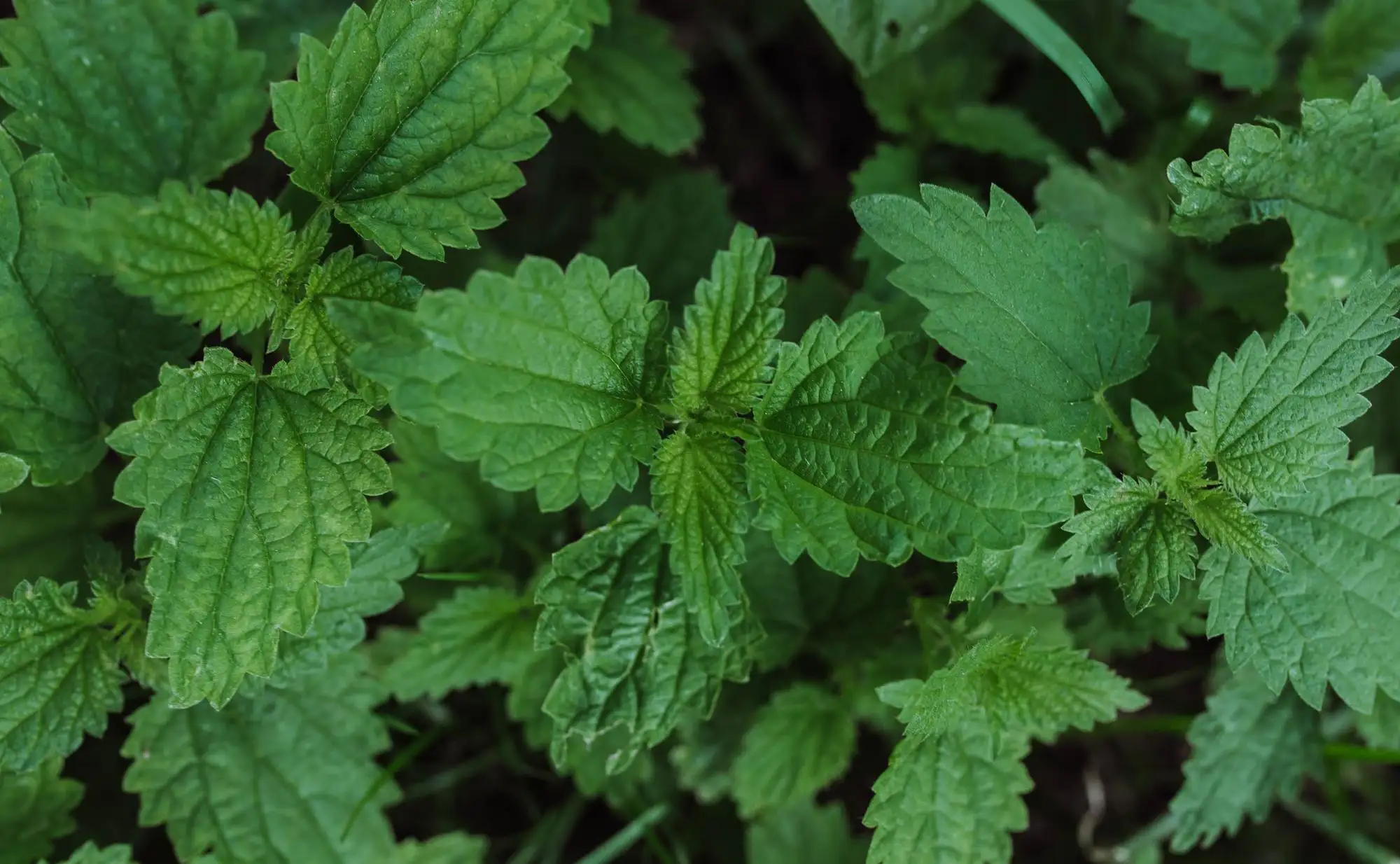
From North America to Australia and New Zealand, these poisonous plants are a reminder that even beautiful greenery deserves respect. Here are seven plants to avoid if you encounter them in the wild.
Most reactions are mild and disappear within hours, although severe contact may lead to blistering. Interestingly, when properly prepared, stinging nettle is also used in herbal remedies and cooking.
Removing the embedded hairs with adhesive tape as soon as possible may help reduce discomfort.
In severe cases, symptoms may last for up to two days.
More serious reactions can include blurred vision, muscle weakness and breathing difficulties, making medical attention advisable after significant exposure.
Also Read: Natural Mosquito Repellent Plants for Home and Garden
Some people experience recurring discomfort for weeks or even months if the hairs remain embedded.
Even dried leaves and fallen plant material can still deliver painful stings, making this one of the most persistent dangerous stinging plants.
The embedded hairs may remain in the skin for several months, causing repeated waves of intense pain whenever triggered by touch or changes in temperature. Severe allergic reactions and breathing difficulties have also been reported, making immediate medical attention essential after exposure.
If you believe you have been stung by one of these plants, avoid rubbing the affected area, remove visible hairs carefully with adhesive tape if appropriate, and seek medical advice if symptoms are severe or persistent.
From North America to Australia and New Zealand, these poisonous plants are a reminder that even beautiful greenery deserves respect. Here are seven plants to avoid if you encounter them in the wild.
1. Common Stinging Nettle
The stinging nettle is widespread across many parts of the world and is often mistaken for an ordinary weed. Its leaves are covered with tiny hairs containing histamine, serotonin and formic acid. When touched, these hairs break and inject irritants into the skin, causing a burning sensation, itching and redness.Most reactions are mild and disappear within hours, although severe contact may lead to blistering. Interestingly, when properly prepared, stinging nettle is also used in herbal remedies and cooking.
2. Tread-Softly (Bull Nettle)
Despite its gentle-sounding name, the tread-softly plant delivers a sting often compared to that of a wasp. Its hollow hairs inject irritating compounds that can leave the skin swollen, red and intensely itchy for several hours.Removing the embedded hairs with adhesive tape as soon as possible may help reduce discomfort.
3. Burning Nettle
True to its name, burning nettle produces one of the more painful plant stings . Its microscopic hairs release a combination of histamine, acetylcholine, serotonin and formic acid, leading to redness, swelling and a burning sensation that can resemble a minor burn.In severe cases, symptoms may last for up to two days.
4. Ongaonga
Native to New Zealand, Ongaonga is one of the country's most feared toxic plants . Its long stinging hairs inject a potent toxin that may cause severe pain lasting from several days to weeks.You may also like
- From lullabies to careers: Keeping screens aside
- Underarm odor: Do you often experience the smell of sweat in your armpits? This simple trick while showering will eliminate the odor problem
- A balcony filled with butterflies asks us to notice small miracles – something difficult to find in our world
- Top 8 Mehendi Designs to Embrace This Monsoon Season
- Mirabai Chanu, a tea seller's daughter, who carried firewood on her head through forest trails, has today won first gold for India at the Commonwealth Games: The inspiring story of a girl whose first barbell was a bamboo stick
More serious reactions can include blurred vision, muscle weakness and breathing difficulties, making medical attention advisable after significant exposure.
Also Read: Natural Mosquito Repellent Plants for Home and Garden
5. Small-Leaved Stinging Tree
Found in eastern Australia, this tree is covered with tiny silica hairs that are almost invisible. Once they penetrate the skin, they release a powerful neurotoxin capable of causing intense pain often described as a combination of acid burns and electric shocks.Some people experience recurring discomfort for weeks or even months if the hairs remain embedded.
6. Giant Stinging Tree
Another Australian member of the nettle family, the giant stinging tree contains the powerful gympietide neurotoxin. The toxin affects pain receptors, allowing the sting to persist for weeks and, in rare instances, months.Even dried leaves and fallen plant material can still deliver painful stings, making this one of the most persistent dangerous stinging plants.
7. Gympie-Gympie, the " Suicide Plant "
Often referred to as the "suicide plant," the Gympie Gympie plant is considered one of the most painful plants in the world. Native to Australia's rainforests, its fine silica hairs contain an extremely potent neurotoxin.The embedded hairs may remain in the skin for several months, causing repeated waves of intense pain whenever triggered by touch or changes in temperature. Severe allergic reactions and breathing difficulties have also been reported, making immediate medical attention essential after exposure.
Why These Plants Deserve Respect
Many poisonous plants rely on tiny stinging hairs rather than thorns to protect themselves from animals and humans. While most encounters are accidental, recognising these species and avoiding direct contact is the safest approach.If you believe you have been stung by one of these plants, avoid rubbing the affected area, remove visible hairs carefully with adhesive tape if appropriate, and seek medical advice if symptoms are severe or persistent.






Loving Newspoint? Download the app now
