
Desert Plants That Can Survive Extreme Drought

Deserts are among the harshest environments on Earth, where scorching temperatures, dry winds, and limited rainfall make survival extremely difficult. Yet, many plants have evolved remarkable adaptations that allow them to thrive in these conditions. Rather than relying on frequent rain, they store water, reduce moisture loss, or spread extensive root systems to capture every available drop. Here are some of the world's most incredible desert plants and the unique strategies that help them survive in arid landscapes.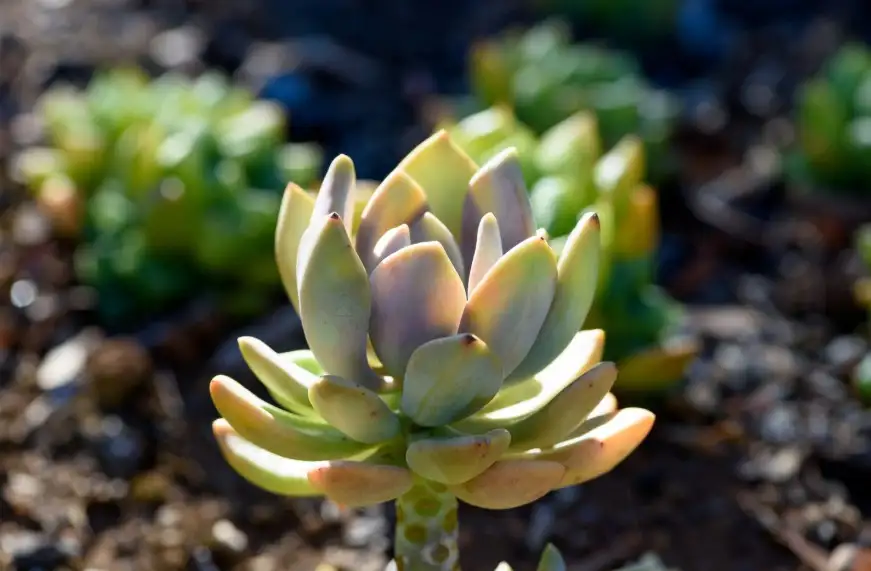
Saguaro Cactus: The Desert Giant
Native to the Sonoran Desert of the southwestern United States and northwestern Mexico, the saguaro cactus is one of the world's most recognizable desert plants . It can grow over 40 feet tall and live for more than 150 years. Its thick, pleated stem expands after rainfall to store water, allowing it to endure long dry periods. A waxy outer coating and shallow, widespread roots further help conserve and collect moisture.
Welwitschia: The Ancient Survivor
Found only in the Namib Desert of Namibia and Angola, Welwitschia is unlike any other plant on Earth. It produces just two leaves throughout its lifetime, which continue growing for centuries. Instead of depending mainly on rainfall, it absorbs moisture from coastal fog and dew. Some specimens are believed to be over 1,000 years old, making it one of the oldest living desert plants.
Creosote Bush: Master of Water Conservation
The creosote bush dominates many deserts across North America. It survives with minimal rainfall by developing an extensive root system that captures moisture from a large area. Its small, resin-coated leaves reduce water loss and help protect the plant from intense sunlight. After rain, it produces bright yellow flowers that quickly attract pollinators.
Lithops: The Living Stones
Lithops, commonly known as living stones, are native to southern Africa. Their stone-like appearance helps them blend into rocky surroundings, protecting them from grazing animals. Most of the plant remains below the soil surface, reducing exposure to heat and evaporation. Thick leaves store water, allowing Lithops to survive long periods with little or no rainfall.
Ocotillo: Waiting for the Rain
The ocotillo grows in the deserts of the southwestern United States and Mexico. For much of the year, its tall stems appear dry and leafless. However, after significant rainfall, small green leaves emerge within days, helping the plant carry out photosynthesis while moisture is available. When conditions become dry again, the leaves naturally fall off to conserve water.
Barrel Cactus: Nature's Water Tank
Barrel cacti are common across the deserts of North America. Their rounded shape reduces surface area exposed to the sun, limiting water loss. Thick ribs allow the stem to expand as it stores water after rainfall, while sharp spines provide shade and discourage animals from feeding on the plant. These adaptations enable the cactus to survive extended droughts.
Desert Rose: Beauty in Harsh Conditions
The desert rose is native to dry regions of Africa and the Arabian Peninsula. It is admired for its colorful flowers and swollen trunk, known as a caudex, which stores water during dry periods. The plant sheds leaves when moisture becomes scarce, reducing water loss until conditions improve.
Prickly Pear Cactus: A Desert Multitasker
Prickly pear cacti grow throughout North and South America in arid and semi-arid regions. Their flattened pads store water and perform photosynthesis, while spines replace traditional leaves to reduce evaporation. The plant also produces edible fruits and pads, making it an important food source for both wildlife and people in many regions.
Joshua Tree: Adapted to Dry Landscapes
Native to the Mojave Desert, the Joshua tree belongs to the yucca family rather than the cactus family. Its narrow, waxy leaves reduce water loss, while its deep and spreading roots help capture limited moisture. The tree grows slowly and is specially adapted to survive in dry environments with infrequent rainfall.
Resurrection Plant: Reviving After Drought
The resurrection plant is famous for its ability to survive extreme dehydration. During prolonged dry periods, it curls into a tight ball and enters a dormant state. When exposed to moisture, it unfolds and becomes green again, resuming normal growth. This remarkable adaptation allows it to withstand some of the harshest desert conditions.
Desert plants demonstrate nature's extraordinary ability to adapt to extreme environments. Through water storage, specialized leaves, protective coatings, and efficient root systems, these remarkable species thrive where most plants cannot. Their survival strategies not only make them fascinating examples of evolution but also offer valuable insights into resilience, conservation, and the importance of protecting fragile desert ecosystems.
Saguaro Cactus: The Desert Giant
Native to the Sonoran Desert of the southwestern United States and northwestern Mexico, the saguaro cactus is one of the world's most recognizable desert plants . It can grow over 40 feet tall and live for more than 150 years. Its thick, pleated stem expands after rainfall to store water, allowing it to endure long dry periods. A waxy outer coating and shallow, widespread roots further help conserve and collect moisture. Welwitschia: The Ancient Survivor
Found only in the Namib Desert of Namibia and Angola, Welwitschia is unlike any other plant on Earth. It produces just two leaves throughout its lifetime, which continue growing for centuries. Instead of depending mainly on rainfall, it absorbs moisture from coastal fog and dew. Some specimens are believed to be over 1,000 years old, making it one of the oldest living desert plants.Creosote Bush: Master of Water Conservation
The creosote bush dominates many deserts across North America. It survives with minimal rainfall by developing an extensive root system that captures moisture from a large area. Its small, resin-coated leaves reduce water loss and help protect the plant from intense sunlight. After rain, it produces bright yellow flowers that quickly attract pollinators. Lithops: The Living Stones
Lithops, commonly known as living stones, are native to southern Africa. Their stone-like appearance helps them blend into rocky surroundings, protecting them from grazing animals. Most of the plant remains below the soil surface, reducing exposure to heat and evaporation. Thick leaves store water, allowing Lithops to survive long periods with little or no rainfall.You may also like
- Your Scalp Is Aging Too Hidden Hair Loss Signs That Most People Completely Ignore
- Are Your Healthy Habits Backfiring? 7 Everyday Wellness Mistakes Experts Want You to Avoid
- Why Do I Feel Pressure in My Pelvic Area After Birth?
- Why No One Has Ever Fully Understood Lord Hanuman
- Why Horses and Other Animals Sleep Standing Up: The Evolutionary Threat Behind This Survival Instinct
Ocotillo: Waiting for the Rain
The ocotillo grows in the deserts of the southwestern United States and Mexico. For much of the year, its tall stems appear dry and leafless. However, after significant rainfall, small green leaves emerge within days, helping the plant carry out photosynthesis while moisture is available. When conditions become dry again, the leaves naturally fall off to conserve water. Barrel Cactus: Nature's Water Tank
Barrel cacti are common across the deserts of North America. Their rounded shape reduces surface area exposed to the sun, limiting water loss. Thick ribs allow the stem to expand as it stores water after rainfall, while sharp spines provide shade and discourage animals from feeding on the plant. These adaptations enable the cactus to survive extended droughts. Desert Rose: Beauty in Harsh Conditions
The desert rose is native to dry regions of Africa and the Arabian Peninsula. It is admired for its colorful flowers and swollen trunk, known as a caudex, which stores water during dry periods. The plant sheds leaves when moisture becomes scarce, reducing water loss until conditions improve. Prickly Pear Cactus: A Desert Multitasker
Prickly pear cacti grow throughout North and South America in arid and semi-arid regions. Their flattened pads store water and perform photosynthesis, while spines replace traditional leaves to reduce evaporation. The plant also produces edible fruits and pads, making it an important food source for both wildlife and people in many regions.Joshua Tree: Adapted to Dry Landscapes
Native to the Mojave Desert, the Joshua tree belongs to the yucca family rather than the cactus family. Its narrow, waxy leaves reduce water loss, while its deep and spreading roots help capture limited moisture. The tree grows slowly and is specially adapted to survive in dry environments with infrequent rainfall. Resurrection Plant: Reviving After Drought
The resurrection plant is famous for its ability to survive extreme dehydration. During prolonged dry periods, it curls into a tight ball and enters a dormant state. When exposed to moisture, it unfolds and becomes green again, resuming normal growth. This remarkable adaptation allows it to withstand some of the harshest desert conditions. Desert plants demonstrate nature's extraordinary ability to adapt to extreme environments. Through water storage, specialized leaves, protective coatings, and efficient root systems, these remarkable species thrive where most plants cannot. Their survival strategies not only make them fascinating examples of evolution but also offer valuable insights into resilience, conservation, and the importance of protecting fragile desert ecosystems.






Loving Newspoint? Download the app now
