
Want to Understand How Sailors Navigated Before GPS? Visit These Fascinating Destinations

Traditional boat navigation developed over centuries, helping communities travel across rivers, cross open seas and connect distant trading ports. Long before GPS and modern navigation systems, sailors relied on stars, winds, ocean currents, landmarks and knowledge passed down through generations. Today, several destinations around the world offer opportunities to understand these traditional skills through boat journeys, maritime museums, heritage vessels and community-led experiences. From India's historic waterways to island communities in the Pacific, these places reveal how local geography shaped navigation techniques. For travellers interested in maritime history, visiting them can provide a deeper understanding of the relationship between people, boats and the natural environment.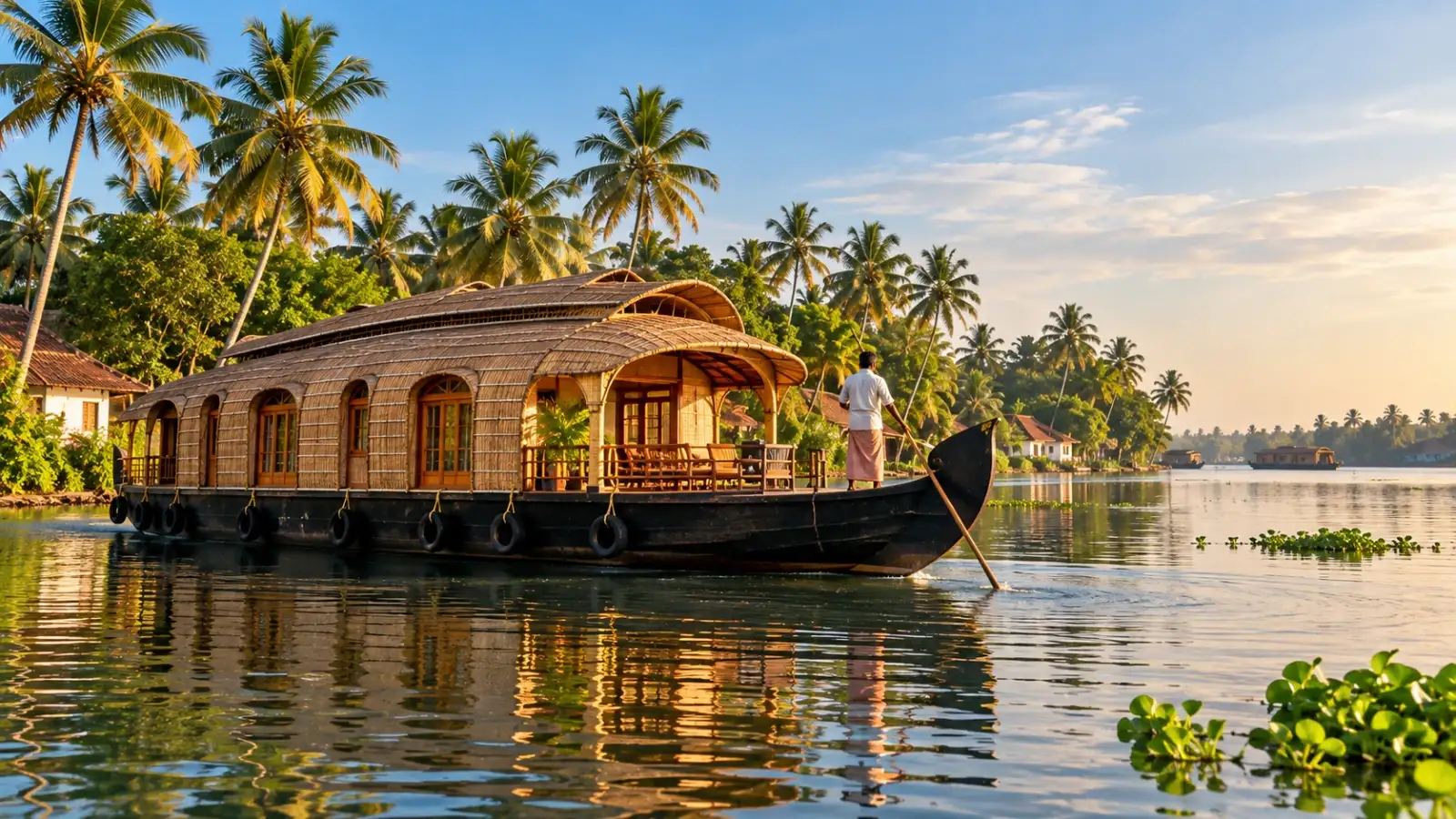
A guided experience with a knowledgeable local boat operator can explain how boatmen read narrow channels, account for water levels and navigate around vegetation and other vessels. Traditional kettuvallams, originally used to transport goods, also demonstrate how boats were designed for the region's waterways.
Travellers can explore Odisha's maritime heritage through cultural exhibitions, local festivals and visits to fishing communities. Speaking with experienced boat operators can also reveal practical knowledge about tides, river channels and coastal conditions, although hands-on navigation lessons depend on the operator and location.
Visitors can look for responsible, locally guided fishing-heritage experiences or maritime displays that explain traditional craft. The most valuable lessons often come from understanding how boat designs and navigation practices respond to local coastal conditions.
In places such as Hawai‘i, visitors may encounter cultural organisations that teach Pacific voyaging traditions and explain how knowledge is passed between generations. Some programmes offer demonstrations or educational sessions, while practical training generally requires advance arrangements.
Maritime museums and heritage sailing experiences can introduce visitors to longship construction, sail handling and historical navigation. These experiences help explain how sailors combined observation of the landscape with knowledge of winds, currents and seasonal weather.
Visitors can explore maritime museums, archaeological sites and traditional harbours to understand how ships connected trading centres. A locally guided sailing trip can add a practical perspective by demonstrating how modern sailors still consider wind direction, sea conditions and safe routes.
In South Sulawesi, travellers can explore boatbuilding traditions and learn how sailors have connected islands through regional trade. Some heritage sailing operators also explain sail handling, route planning and the influence of weather on journeys.
In places such as Luxor and Aswan, a guided felucca journey can introduce visitors to wind-powered river travel. Boat operators can explain how wind direction, river conditions and local knowledge influence movement along the waterway.
Travellers can learn about these designs through local boat journeys, river heritage experiences and conversations with experienced boat operators. Understanding how people navigate changing water levels offers insight into the practical knowledge required to travel through a large river delta.
Cultural centres and guided heritage programmes can help visitors understand waka construction, paddling techniques and the significance of traditional journeys. Some experiences focus on cultural learning rather than open-water navigation, so it is worth checking what each programme includes.
Traditional boat navigation offers a different way to understand geography, history and local culture. From Kerala's backwaters and Bangladesh's river networks to Polynesian wayfinding and Indonesia's sailing traditions, each destination reflects the conditions its navigators learned to read. Museums, heritage boats and community-led experiences can provide useful introductions, while practical lessons depend on local availability and safety requirements. Choose responsible operators who respect local traditions and explain the skills behind the journey, rather than treating traditional navigation as simply a scenic boat ride.
1. Kerala, India: Traditional Navigation Through Backwaters
Kerala's backwaters offer an accessible introduction to traditional water transport in India. Around Alappuzha and Kumarakom, visitors can observe local fishing boats, traditional wooden craft and waterways that have connected villages for generations.A guided experience with a knowledgeable local boat operator can explain how boatmen read narrow channels, account for water levels and navigate around vegetation and other vessels. Traditional kettuvallams, originally used to transport goods, also demonstrate how boats were designed for the region's waterways.
2. Odisha, India: Maritime Heritage in Cuttack and Paradeep
Odisha has a long maritime history linked to coastal trade and journeys across the Bay of Bengal. The annual Boita Bandana observance, associated with Kartik Purnima, recalls the region's historic seafaring traditions.Travellers can explore Odisha's maritime heritage through cultural exhibitions, local festivals and visits to fishing communities. Speaking with experienced boat operators can also reveal practical knowledge about tides, river channels and coastal conditions, although hands-on navigation lessons depend on the operator and location.
3. Goa, India: Understanding Coastal Boatmanship
Goa's fishing villages offer opportunities to learn about traditional coastal boat handling. Local fishers have long relied on knowledge of tides, monsoon conditions, currents and changing sea states to plan their journeys.Visitors can look for responsible, locally guided fishing-heritage experiences or maritime displays that explain traditional craft. The most valuable lessons often come from understanding how boat designs and navigation practices respond to local coastal conditions.
4. Polynesia: The Art of Wayfinding
Across Polynesia, traditional wayfinding developed into a sophisticated system for navigating vast stretches of the Pacific Ocean without modern instruments. Navigators learned to interpret stars, wave patterns, winds, clouds and signs of nearby islands.In places such as Hawai‘i, visitors may encounter cultural organisations that teach Pacific voyaging traditions and explain how knowledge is passed between generations. Some programmes offer demonstrations or educational sessions, while practical training generally requires advance arrangements.
5. Norway: Learning About Viking Seafaring
Norway's maritime heritage provides insight into how Viking-age sailors travelled across northern European waters. Their vessels were designed to operate in coastal seas, fjords and, in suitable conditions, open water.Maritime museums and heritage sailing experiences can introduce visitors to longship construction, sail handling and historical navigation. These experiences help explain how sailors combined observation of the landscape with knowledge of winds, currents and seasonal weather.
6. Greece: Ancient Mediterranean Navigation
Greece's islands and historic ports provide a useful setting for exploring Mediterranean seafaring. Ancient sailors travelled between islands using knowledge of coastal landmarks, prevailing winds and seasonal sailing conditions.Visitors can explore maritime museums, archaeological sites and traditional harbours to understand how ships connected trading centres. A locally guided sailing trip can add a practical perspective by demonstrating how modern sailors still consider wind direction, sea conditions and safe routes.
7. Indonesia: Traditional Sailing and Phinisi Boats
Indonesia's maritime communities have developed distinctive sailing traditions across a vast archipelago. The phinisi, a traditional wooden sailing vessel associated particularly with the Bugis and Makassarese people of South Sulawesi, is an important part of this heritage.You may also like
- Echoes of Muziris book launch celebrates young author Saanvi Shabeesh, highlighting her journey from a school story to a published novel
- 'Quick tasks' before clock-out? Employee says the boss keeps extending workdays without overtime pay, sparking debates over burnout, boundaries and the pressure to always say yes
- Paytm AU Bank Credit Card: Get this new card with zero fees and enjoy significant savings on UPI payments..
- The wait for the 24th installment is over! Find out which farmers will have ₹2,000 transferred into their accounts this week..
- The Significance of Sixteen Adornments on Karva Chauth: A Blend of Beauty and Tradition
In South Sulawesi, travellers can explore boatbuilding traditions and learn how sailors have connected islands through regional trade. Some heritage sailing operators also explain sail handling, route planning and the influence of weather on journeys.
8. Egypt: Exploring Traditional Nile Navigation
The Nile has served as a major transport route in Egypt for thousands of years. Traditional feluccas, with their distinctive sails, continue to operate on parts of the river.In places such as Luxor and Aswan, a guided felucca journey can introduce visitors to wind-powered river travel. Boat operators can explain how wind direction, river conditions and local knowledge influence movement along the waterway.
9. Bangladesh: Traditional Boats of the River Delta
Bangladesh's extensive river network has made boat travel essential to everyday life in many communities. Traditional boats are adapted to different waterways, from relatively calm channels to areas affected by strong currents and seasonal flooding.Travellers can learn about these designs through local boat journeys, river heritage experiences and conversations with experienced boat operators. Understanding how people navigate changing water levels offers insight into the practical knowledge required to travel through a large river delta.
10. New Zealand: Māori Voyaging Traditions
New Zealand's Māori maritime heritage includes the waka, canoes that played important roles in travel, settlement and cultural life. Traditional voyaging knowledge forms part of a wider heritage that connects navigation with community, craftsmanship and the natural environment.Cultural centres and guided heritage programmes can help visitors understand waka construction, paddling techniques and the significance of traditional journeys. Some experiences focus on cultural learning rather than open-water navigation, so it is worth checking what each programme includes.
Traditional boat navigation offers a different way to understand geography, history and local culture. From Kerala's backwaters and Bangladesh's river networks to Polynesian wayfinding and Indonesia's sailing traditions, each destination reflects the conditions its navigators learned to read. Museums, heritage boats and community-led experiences can provide useful introductions, while practical lessons depend on local availability and safety requirements. Choose responsible operators who respect local traditions and explain the skills behind the journey, rather than treating traditional navigation as simply a scenic boat ride.






Loving Newspoint? Download the app now
