
How Digital Burnout in Gen Z Is Changing Social Media Habits

Generation Z has grown up with high speed internet, smartphones, and constant online access right at their fingertips. What started as an exciting way to stay connected, discover funny videos, and chat with friends has slowly turned into a heavy daily obligation. Across the globe, young adults are reporting a deep sense of online fatigue. The endless feed that once provided endless entertainment now leaves many feeling drained, anxious, and disconnected from the real world. Recognizing how digital burnout in Gen Z happens is the first step toward building a healthier relationship with technology.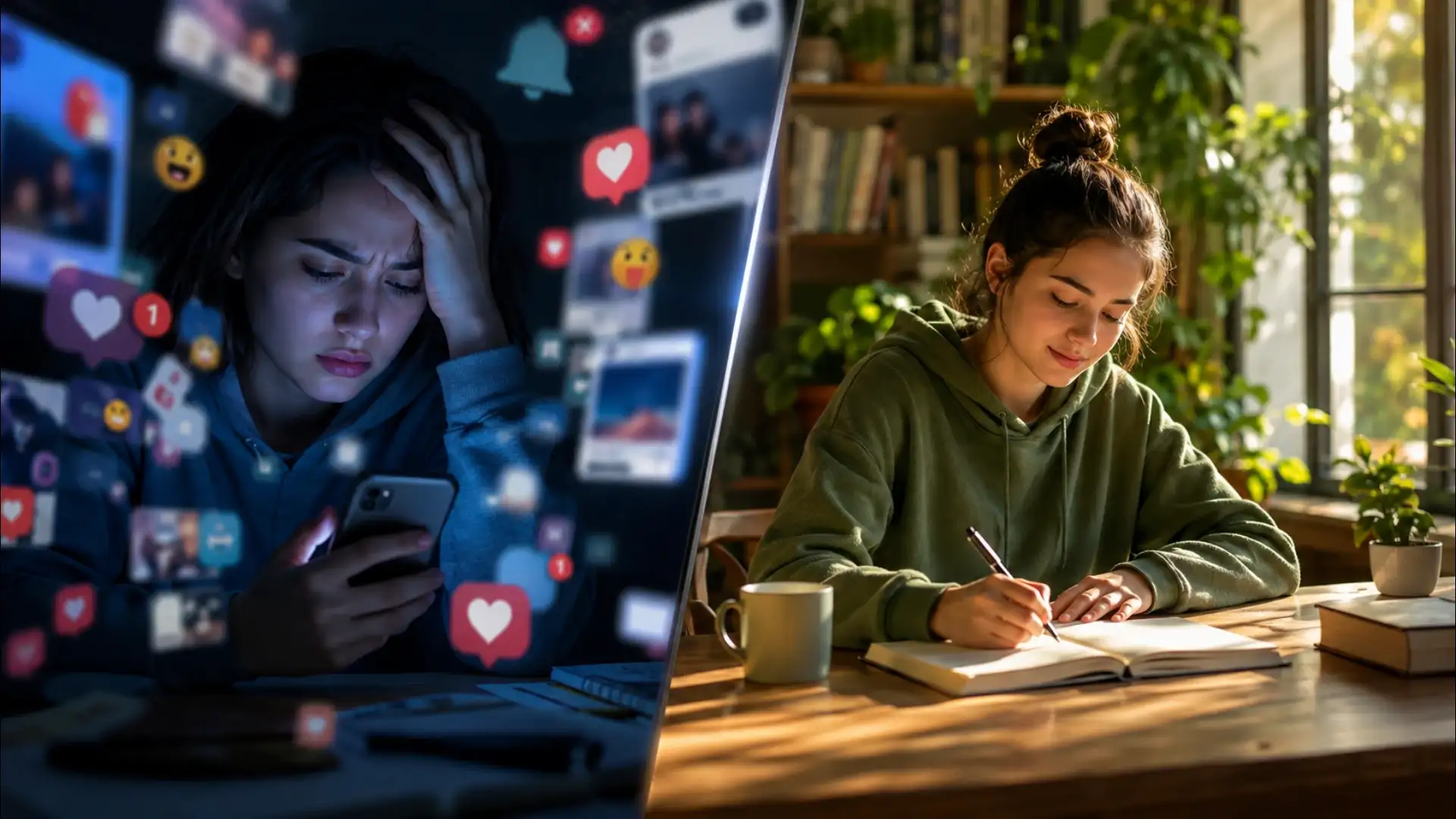
By taking regular breaks and setting firm boundaries with technology, young people can turn screen time back into an intentional tool instead of an exhausting daily trap.
The Constant Pressure of Endless Connectivity
Unlike older generations who logged on to computers for short periods, young adults today are perpetually logged in. Social media apps are specifically engineered to keep users scrolling for hours using subtle psychological tricks like infinite feeds and algorithmic recommendations. Receiving non stop notifications, keeping up messaging streaks, and reacting to breaking news creates continuous mental tension. This non stop stream of information forces the brain to stay in a state of high alert. Over time, this constant stimulation tires out the nervous system, turning casual phone use into a source of stress rather than genuine fun.How Comparison and Content Overload Fuel Fatigue
The type of content consumed daily also plays a major role in digital exhaustion. Scrolling through highlight reels of pristine lives, perfect vacations, and career milestones creates subtle pressure to measure up. Even short videos packed with rapid editing, loud sounds, and bright flashing colours overload the senses. When young people process hundreds of short clips every day, their attention spans shrink and real life activities begin to feel painfully boring by comparison. This contrast makes offline life feel slow while keeping online time feeling hollow and unfulfilling.Recognizing the Symptoms of Social Media Fatigue
Digital exhaustion shows up in both physical and emotional ways. Physically, long screen sessions cause severe eye strain, poor posture, neck discomfort, and disturbed sleep patterns due to blue light exposure before bedtime. Emotionally, sufferers often experience persistent brain fog, irritability, and a strange sense of loneliness despite having hundreds of online connections. A clear sign that screen time has become unhealthy is picking up your phone out of pure habit or boredom while feeling absolutely no joy while browsing through apps.Simple Strategies to Recover and Reclaim Offline Life
Overcoming digital burnout does not require deleting every account or moving off the grid. Small intentional boundaries can make a massive difference in daily wellbeing. Turning off non essential app notifications helps reduce impulse screen checking during the day. Setting up screen free zones such as keeping phones away from the dinner table and out of the bedroom at night allows the mind time to rest. Engaging in physical hobbies like cooking, reading paper books, or walking outdoors without headphones helps reset sensory focus.By taking regular breaks and setting firm boundaries with technology, young people can turn screen time back into an intentional tool instead of an exhausting daily trap.
Next Story