
10 Unusual Fruits You Probably Didn't Know Existed

Walk through a typical supermarket and you'll find familiar fruits such as apples, bananas, oranges and grapes. Yet beyond these everyday favourites lies a remarkable world of fruits that most people have never encountered. Hidden in remote rainforests, mountain valleys and tropical islands are species with unusual shapes, extraordinary flavours and fascinating histories. Some have been cultivated by local communities for centuries, while others remain largely unknown outside their native regions. These rare fruits offer a glimpse into the incredible diversity of nature and remind us that there is still much to discover about the foods that grow around our planet.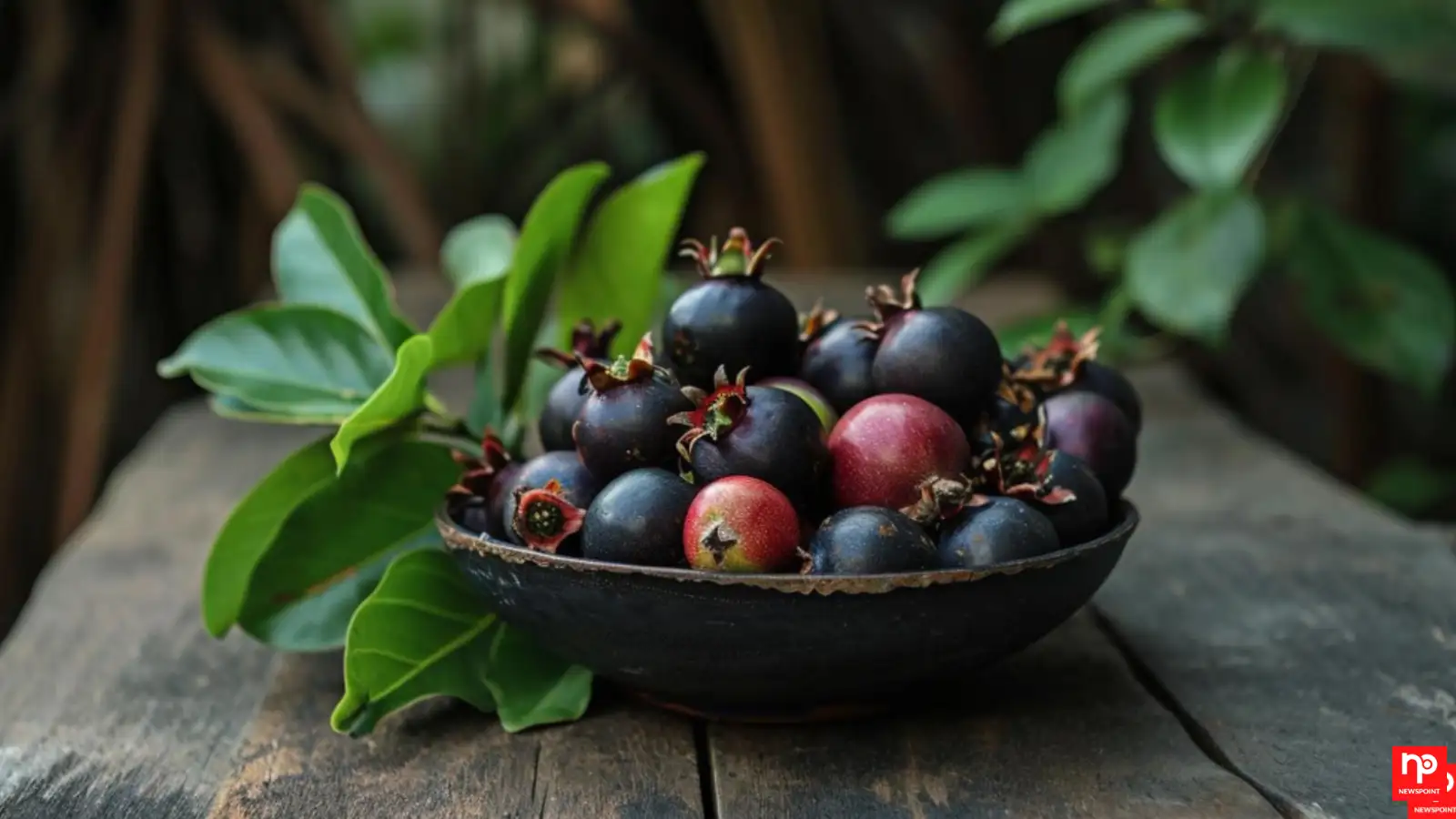
As a result, entire generations have grown up eating the same handful of fruits while countless others remain local secrets. Fortunately, growing interest in food tourism, biodiversity and sustainable agriculture is bringing some of these hidden gems into the spotlight.
Unlike most fruits that grow from branches, jabuticaba emerges straight from the bark. The fruit has a sweet, slightly tart flavour and is often used in jams, wines and juices.
Because it spoils quickly after harvest, it remains relatively unknown outside South America despite being highly prized in its homeland.
Native to Indonesia, the fruit contains crisp flesh with a flavour often described as a blend of apple, pineapple and banana. Its texture is equally distinctive, offering a satisfying crunch that surprises first-time tasters.
Salak has been cultivated for centuries across Southeast Asia and remains an important part of local food culture.
This small red berry contains a compound called miraculin. After eating it, sour foods such as lemons and limes suddenly taste remarkably sweet for up to an hour.
The fruit has fascinated scientists and food enthusiasts alike for decades. While it does not actually alter the chemical composition of food, it temporarily changes how taste receptors perceive acidity.
Covered by a thick purple rind, the fruit reveals soft white segments inside. Its flavour combines sweetness and acidity in a way that many describe as unforgettable.
Historically, mangosteen was considered so desirable that stories circulated claiming British royalty sought ways to obtain fresh supplies. Whether entirely true or not, the fruit's reputation for excellence has endured for generations.
Its large segmented structure resembles an orange pineapple made up of dozens of wedge-shaped sections. Local communities have long used different parts of the plant for food, weaving and traditional medicine.
The fruit's striking appearance has earned it attention among travellers, though it remains unfamiliar to much of the world.
American writer Mark Twain famously described it as "the most delicious fruit known to men". Its creamy flesh is often compared to a combination of banana, pineapple, strawberry and vanilla.
Despite its exceptional flavour, cherimoya remains relatively uncommon because it bruises easily and requires careful handling during transport.
The mildly sweet interior contrasts with the slightly bitter outer rind, which is also eaten in some traditional dishes. Its distinctive appearance and seasonal availability have made it a cherished autumn delicacy in parts of Japan.
As climate change affects weather patterns and growing conditions, scientists are increasingly studying lesser-known fruit species for traits such as drought resistance, disease tolerance and adaptability.
Protecting these fruits helps preserve ecosystems and cultural traditions while supporting future food security.
At the same time, chefs and farmers are exploring ways to introduce forgotten or overlooked crops to new audiences. Rare fruits have become symbols of discovery, sustainability and cultural heritage.
This renewed interest encourages conservation efforts and helps local growers find new economic opportunities.
Some fruits, such as miracle fruit, challenge our understanding of taste itself. Others, like jabuticaba, seem to defy the normal rules of plant growth. Many contain unique antioxidants and nutrients that researchers are only beginning to investigate.
These fruits demonstrate how much botanical diversity still exists beyond the produce aisles of modern supermarkets.
Why So Many Fruits Remain Unknown
The world is home to thousands of edible fruit species, yet only a small number dominate global agriculture and international trade. Factors such as transportation challenges, short shelf lives and limited commercial demand mean many fruits never reach supermarket shelves.As a result, entire generations have grown up eating the same handful of fruits while countless others remain local secrets. Fortunately, growing interest in food tourism, biodiversity and sustainable agriculture is bringing some of these hidden gems into the spotlight.
Jabuticaba: Brazil's Tree-Trunk Fruit
One of the most unusual fruits in the world is jabuticaba, native to Brazil. At first glance, it appears as though someone has glued dark purple grapes directly onto the trunk of a tree.Unlike most fruits that grow from branches, jabuticaba emerges straight from the bark. The fruit has a sweet, slightly tart flavour and is often used in jams, wines and juices.
Because it spoils quickly after harvest, it remains relatively unknown outside South America despite being highly prized in its homeland.
Salak: The Snake Fruit of Indonesia
Salak, commonly known as snake fruit, instantly stands out because of its reddish-brown scaly skin that resembles snake scales.Native to Indonesia, the fruit contains crisp flesh with a flavour often described as a blend of apple, pineapple and banana. Its texture is equally distinctive, offering a satisfying crunch that surprises first-time tasters.
Salak has been cultivated for centuries across Southeast Asia and remains an important part of local food culture.
Miracle Fruit : Nature's Taste Changer
Few fruits are as extraordinary as miracle fruit, which originates from West Africa.This small red berry contains a compound called miraculin. After eating it, sour foods such as lemons and limes suddenly taste remarkably sweet for up to an hour.
The fruit has fascinated scientists and food enthusiasts alike for decades. While it does not actually alter the chemical composition of food, it temporarily changes how taste receptors perceive acidity.
Mangosteen: The Queen of Fruits
In many parts of Southeast Asia, mangosteen is known as the "Queen of Fruits".Covered by a thick purple rind, the fruit reveals soft white segments inside. Its flavour combines sweetness and acidity in a way that many describe as unforgettable.
Historically, mangosteen was considered so desirable that stories circulated claiming British royalty sought ways to obtain fresh supplies. Whether entirely true or not, the fruit's reputation for excellence has endured for generations.
Hala Fruit : The Tropical Puzzle
Growing across Pacific islands, the hala fruit looks more like an art sculpture than something edible.Its large segmented structure resembles an orange pineapple made up of dozens of wedge-shaped sections. Local communities have long used different parts of the plant for food, weaving and traditional medicine.
The fruit's striking appearance has earned it attention among travellers, though it remains unfamiliar to much of the world.
Cherimoya: Mark Twain 's Favourite Fruit
The cherimoya originates in the Andes region of South America and has attracted admirers for centuries.American writer Mark Twain famously described it as "the most delicious fruit known to men". Its creamy flesh is often compared to a combination of banana, pineapple, strawberry and vanilla.
Despite its exceptional flavour, cherimoya remains relatively uncommon because it bruises easily and requires careful handling during transport.
Akebi : Japan's Unusual Autumn Fruit
Akebi is a rare fruit native to Japan, China and Korea. When ripe, its purple shell naturally splits open to reveal translucent flesh and glossy black seeds.The mildly sweet interior contrasts with the slightly bitter outer rind, which is also eaten in some traditional dishes. Its distinctive appearance and seasonal availability have made it a cherished autumn delicacy in parts of Japan.
The Role of Rare Fruits in Biodiversity
Rare fruits are more than culinary curiosities. They represent important reservoirs of genetic diversity that can help agriculture adapt to future challenges.You may also like
- Highlights from the 79th Tony Awards: Celebrating Broadway's Finest
- Unlocking the Secrets of Jamun: The English Name, Nutrients, and Surprising Facts About This Summer Superfruit
- Safe & Chemical-Free: How to Make Toxic-Free Modeling Clay for Kids at Home
- Domestic LPG cylinder prices hiked by ₹29 across the country; here are the current cooking gas rates in your city..
- Rectal Pressure During Ovulation: Is It Normal?
As climate change affects weather patterns and growing conditions, scientists are increasingly studying lesser-known fruit species for traits such as drought resistance, disease tolerance and adaptability.
Protecting these fruits helps preserve ecosystems and cultural traditions while supporting future food security.
Why Interest in Rare Fruits Is Growing
Social media, international travel and food documentaries have sparked curiosity about unusual ingredients from around the world. Consumers are increasingly seeking unique flavours and authentic food experiences.At the same time, chefs and farmers are exploring ways to introduce forgotten or overlooked crops to new audiences. Rare fruits have become symbols of discovery, sustainability and cultural heritage.
This renewed interest encourages conservation efforts and helps local growers find new economic opportunities.
Lesser-Known Facts About Rare Fruits
Many rare fruits have been cultivated for hundreds or even thousands of years despite remaining virtually unknown internationally.Some fruits, such as miracle fruit, challenge our understanding of taste itself. Others, like jabuticaba, seem to defy the normal rules of plant growth. Many contain unique antioxidants and nutrients that researchers are only beginning to investigate.
These fruits demonstrate how much botanical diversity still exists beyond the produce aisles of modern supermarkets.






More from our partners


Loving Newspoint? Download the app now
