
Surprising Fruits With More Vitamin C Than Oranges You Need to Know About

When most people think of vitamin C, oranges are usually the first fruit that comes to mind. For decades, orange juice has been promoted as a simple way to strengthen the immune system and stay healthy. Yet oranges are far from the richest source of this essential nutrient. In fact, several fruits contain significantly more vitamin C per serving and offer a range of additional health benefits. From tropical favourites to lesser-known nutritional powerhouses, these fruits deserve a place on your plate. Understanding where vitamin C really comes from can help you make smarter food choices and enjoy a more varied and nutrient-rich diet.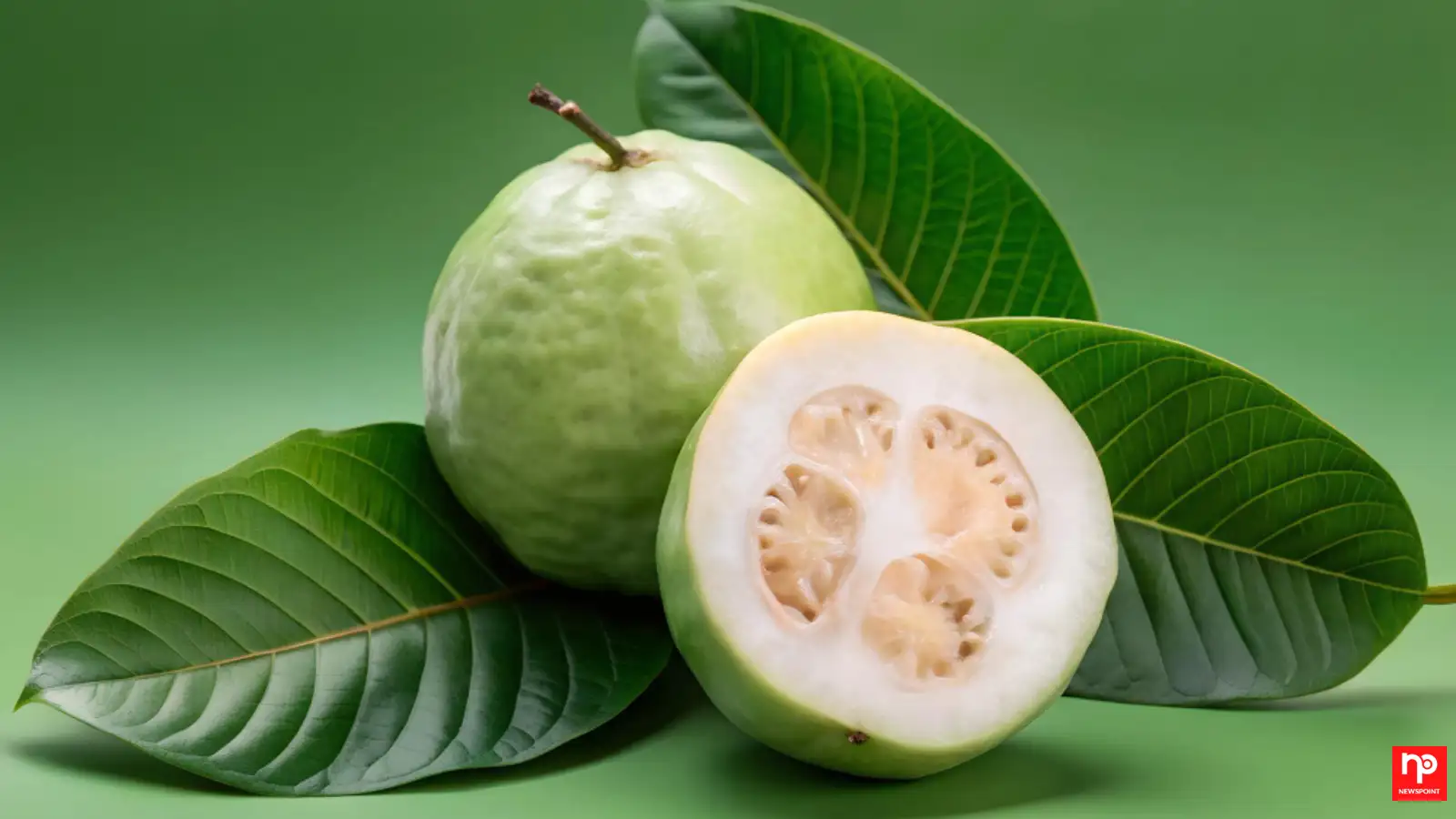
In today's fast-paced world, many people look for simple ways to improve their health naturally. Increasing vitamin C intake through fresh fruit is one of the easiest and most effective approaches. While oranges remain a good source, they are no longer the undisputed champion many people believe them to be.
Native to Central and South America, guava is now widely grown across tropical regions. Its sweet flavour and fragrant aroma make it a popular snack, while its impressive nutrient profile has earned it a reputation as a health food.
Besides vitamin C, guava provides fibre, potassium and antioxidants that support heart health and digestion. In many countries, guava leaves are even used in traditional remedies.
This small native fruit has been used by Indigenous Australians for thousands of years. Researchers have become increasingly interested in it because its vitamin C levels can be many times higher than those found in oranges.
The fruit is now appearing in skincare products and health supplements, highlighting how traditional knowledge is influencing modern wellness trends.
Commonly grown in tropical regions of the Americas, acerola cherries are often used in juices, smoothies and nutritional supplements. Their tart flavour reflects their rich vitamin content.
Many natural vitamin C supplements sold today derive part of their content from acerola because of its exceptionally high concentration.
These dark berries contain significantly more vitamin C than oranges and are also rich in anthocyanins, compounds linked to brain and heart health.
Although often overshadowed by blueberries and strawberries, blackcurrants deserve renewed attention for their impressive nutritional value.
Originally cultivated in China and later popularised in New Zealand, kiwi fruit combines high vitamin C content with fibre and potassium. Its bright green flesh and distinctive flavour make it an easy addition to breakfast bowls, salads and desserts.
Research has suggested that regular kiwi consumption may support digestion and contribute to better overall wellbeing.
Historically cultivated in China for over two thousand years, lychees were once considered a luxury fruit reserved for royalty. Today, they remain popular worldwide and offer an enjoyable way to increase vitamin C intake.
Their refreshing taste makes them particularly appealing during warmer months.
This tropical fruit contains enzymes that aid digestion alongside a generous supply of antioxidants and vitamins. Its naturally sweet flavour and soft texture make it accessible to people of all ages.
In many tropical countries, papaya is eaten regularly as part of everyday meals, demonstrating how simple dietary habits can contribute to long-term health.
Different fruits provide unique combinations of vitamins, minerals, fibre and antioxidants. Choosing a broader selection not only helps meet vitamin C requirements but also supports overall health in ways that a single fruit cannot.
As consumers become more interested in nutrition, many of these fruits are becoming easier to find in supermarkets and local markets around the world.
Another interesting detail is that many traditional cultures recognised the health benefits of these fruits long before modern science confirmed their nutritional value. Indigenous communities, local farmers and traditional healers frequently relied on them for generations.
These examples show how modern nutrition often validates knowledge that has existed for centuries.
Why Vitamin C Matters More Than Ever
Vitamin C plays a crucial role in maintaining overall health. It supports the immune system, helps the body absorb iron, contributes to healthy skin, and acts as a powerful antioxidant that protects cells from damage.In today's fast-paced world, many people look for simple ways to improve their health naturally. Increasing vitamin C intake through fresh fruit is one of the easiest and most effective approaches. While oranges remain a good source, they are no longer the undisputed champion many people believe them to be.
Guava: The Vitamin C Superstar
Guava is one of the richest natural sources of vitamin C available. A single guava can contain more than double the amount found in an orange.Native to Central and South America, guava is now widely grown across tropical regions. Its sweet flavour and fragrant aroma make it a popular snack, while its impressive nutrient profile has earned it a reputation as a health food.
Besides vitamin C, guava provides fibre, potassium and antioxidants that support heart health and digestion. In many countries, guava leaves are even used in traditional remedies.
Kakadu Plum : Australia's Nutritional Treasure
Few people outside Australia have heard of the Kakadu plum, yet it contains one of the highest concentrations of vitamin C found in any fruit on Earth.This small native fruit has been used by Indigenous Australians for thousands of years. Researchers have become increasingly interested in it because its vitamin C levels can be many times higher than those found in oranges.
The fruit is now appearing in skincare products and health supplements, highlighting how traditional knowledge is influencing modern wellness trends.
Acerola Cherry: Small Fruit, Huge Benefits
The acerola cherry, sometimes called the Barbados cherry, is another vitamin C powerhouse. Despite its modest size, it contains remarkably high levels of the nutrient.Commonly grown in tropical regions of the Americas, acerola cherries are often used in juices, smoothies and nutritional supplements. Their tart flavour reflects their rich vitamin content.
Many natural vitamin C supplements sold today derive part of their content from acerola because of its exceptionally high concentration.
Blackcurrants: Britain's Forgotten Superfruit
Before imported citrus fruits became widely available, blackcurrants played an important role in British diets. During the Second World War, they were actively promoted because they provided valuable vitamin C when oranges were scarce.These dark berries contain significantly more vitamin C than oranges and are also rich in anthocyanins, compounds linked to brain and heart health.
Although often overshadowed by blueberries and strawberries, blackcurrants deserve renewed attention for their impressive nutritional value.
Kiwi Fruit : More Than a Breakfast Topping
Kiwi fruit may seem ordinary today, but it contains more vitamin C than many people realise.Originally cultivated in China and later popularised in New Zealand, kiwi fruit combines high vitamin C content with fibre and potassium. Its bright green flesh and distinctive flavour make it an easy addition to breakfast bowls, salads and desserts.
Research has suggested that regular kiwi consumption may support digestion and contribute to better overall wellbeing.
Lychee: A Tropical Vitamin C Boost
Lychees are beloved across Asia for their juicy texture and delicate sweetness. They also happen to be rich in vitamin C.Historically cultivated in China for over two thousand years, lychees were once considered a luxury fruit reserved for royalty. Today, they remain popular worldwide and offer an enjoyable way to increase vitamin C intake.
Their refreshing taste makes them particularly appealing during warmer months.
Papaya: A Nutrient-Rich Everyday Fruit
Papaya is often associated with digestive health, but its vitamin C content is equally impressive.This tropical fruit contains enzymes that aid digestion alongside a generous supply of antioxidants and vitamins. Its naturally sweet flavour and soft texture make it accessible to people of all ages.
In many tropical countries, papaya is eaten regularly as part of everyday meals, demonstrating how simple dietary habits can contribute to long-term health.
You may also like
- Highlights from the 79th Tony Awards: Celebrating Broadway's Finest
- Unlocking the Secrets of Jamun: The English Name, Nutrients, and Surprising Facts About This Summer Superfruit
- Safe & Chemical-Free: How to Make Toxic-Free Modeling Clay for Kids at Home
- Domestic LPG cylinder prices hiked by ₹29 across the country; here are the current cooking gas rates in your city..
- Rectal Pressure During Ovulation: Is It Normal?
Why These Fruits Matter in Modern Diets
Modern diets often rely heavily on a limited range of fruits and vegetables. Expanding beyond familiar choices like oranges can increase nutritional diversity and expose the body to a wider variety of beneficial compounds.Different fruits provide unique combinations of vitamins, minerals, fibre and antioxidants. Choosing a broader selection not only helps meet vitamin C requirements but also supports overall health in ways that a single fruit cannot.
As consumers become more interested in nutrition, many of these fruits are becoming easier to find in supermarkets and local markets around the world.
Lesser-Known Facts About Vitamin C-Rich Fruits
One surprising fact is that vitamin C levels can decline after harvesting and prolonged storage. This means freshly picked fruit often contains more nutrients than fruit that has travelled long distances.Another interesting detail is that many traditional cultures recognised the health benefits of these fruits long before modern science confirmed their nutritional value. Indigenous communities, local farmers and traditional healers frequently relied on them for generations.
These examples show how modern nutrition often validates knowledge that has existed for centuries.






More from our partners


Loving Newspoint? Download the app now
