
Best Indian Spices for the Rainy Season and Their Health Benefits

The monsoon season brings pleasant weather and much-needed relief from the summer heat, but it also marks the time when seasonal infections become more common. High humidity and fluctuating temperatures create favourable conditions for bacteria, viruses and fungi to thrive, making many people more vulnerable to colds, coughs and digestive problems. While no single food can prevent illness, a balanced diet that includes traditional Indian spices can help support the body's natural defence system. For centuries, spices have been valued not only for their flavour but also for their medicinal properties. Modern research continues to explore many of these benefits, making them a smart addition to your monsoon meals.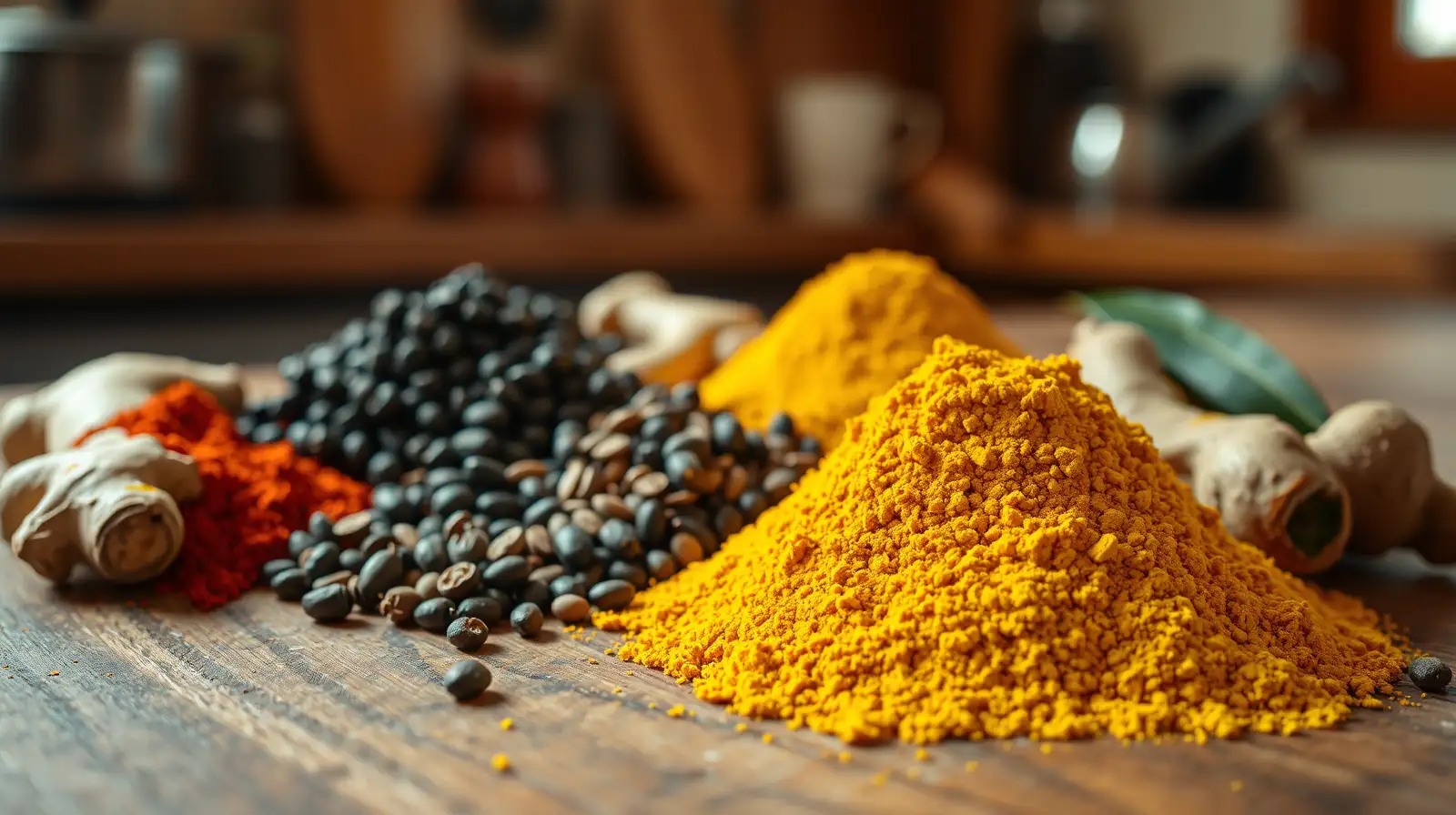
During the rainy season, digestion can become sluggish due to changes in weather and eating habits. Several traditional spices are believed to aid digestion, improve metabolism and make meals easier to digest, contributing to overall well-being.
Although spices support good health, they should always be part of a balanced diet rather than viewed as a cure for illness.
Turmeric is another kitchen staple with impressive health benefits. Its active compound, curcumin, has attracted scientific attention for its potential role in supporting immune function and reducing inflammation. A pinch of turmeric in curries, lentils or warm milk can easily become part of a healthy routine.
Cumin has long been used in Indian cooking and traditional medicine to aid digestion. Whether added to soups, rice dishes or herbal drinks, it provides both flavour and nutritional value.
Cinnamon is another versatile spice known for its pleasant aroma and antioxidant content. It pairs well with herbal teas, porridge and healthy desserts while adding warmth during rainy weather.
Cardamom is another underrated spice that contributes a refreshing flavour while supporting digestion. Fennel seeds, often enjoyed after meals, may also help ease bloating and promote digestive comfort.
Many traditional Indian spice blends combine several of these ingredients, creating meals that are both flavourful and nourishing.
Herbal teas prepared with ginger, cinnamon, cloves and cardamom are especially popular during monsoon because they provide warmth while encouraging hydration.
Using fresh, good-quality spices and storing them in airtight containers helps preserve their flavour and beneficial plant compounds.
Including a variety of spices in your meals is an easy and affordable way to enrich your diet. Combined with proper hygiene, adequate sleep, regular exercise and a balanced intake of fruits and vegetables, they contribute to a healthier lifestyle during the rainy season.
Why Spices Are Important During Monsoon
Indian spices do much more than enhance the taste of food. Many contain natural compounds with antioxidant and anti-inflammatory properties that help protect the body's cells from damage. Some also possess antimicrobial properties that may help inhibit the growth of certain microorganisms.During the rainy season, digestion can become sluggish due to changes in weather and eating habits. Several traditional spices are believed to aid digestion, improve metabolism and make meals easier to digest, contributing to overall well-being.
Although spices support good health, they should always be part of a balanced diet rather than viewed as a cure for illness.
Ginger and Turmeric Lead the List
Ginger is one of the most popular spices during monsoon because of its warming nature. It contains gingerol, a bioactive compound that has been widely studied for its antioxidant and anti-inflammatory effects. Adding fresh ginger to tea, soups or vegetable dishes is a simple way to include it in your daily diet.Turmeric is another kitchen staple with impressive health benefits. Its active compound, curcumin, has attracted scientific attention for its potential role in supporting immune function and reducing inflammation. A pinch of turmeric in curries, lentils or warm milk can easily become part of a healthy routine.
Black Pepper, Cumin and Cinnamon Offer More Than Flavour
Black pepper contains piperine, a natural compound that not only adds a distinctive flavour but may also improve the absorption of certain nutrients, including curcumin from turmeric.Cumin has long been used in Indian cooking and traditional medicine to aid digestion. Whether added to soups, rice dishes or herbal drinks, it provides both flavour and nutritional value.
Cinnamon is another versatile spice known for its pleasant aroma and antioxidant content. It pairs well with herbal teas, porridge and healthy desserts while adding warmth during rainy weather.
You may also like
- EPFO: Mutual Fund or PF? EPFO reveals which is the more beneficial choice..
- Big relief for central government employees! Now, the CGHS pensioner card can be generated in a jiffy via the 'Bhavishya' portal..
- ISRO Offers Internship Opportunities to Students; Find Out Who Can Apply
- Made a mistake while filing your ITR? The Income Tax Department offers a second chance to rectify errors; here is the process..
- Chanakya Niti: These four things are more important than position and prestige, Chanakya had told the mantra of a happy life
Lesser-Known Monsoon Superstars
Cloves are rich in eugenol, a compound recognised for its antioxidant and antimicrobial properties. They are commonly added to spice blends, teas and rice dishes.Cardamom is another underrated spice that contributes a refreshing flavour while supporting digestion. Fennel seeds, often enjoyed after meals, may also help ease bloating and promote digestive comfort.
Many traditional Indian spice blends combine several of these ingredients, creating meals that are both flavourful and nourishing.
Everyday Ways to Include More Spices
Adding immunity-supporting spices to your meals does not require major dietary changes. Fresh ginger can be grated into soups, turmeric can be stirred into lentils, cumin can season vegetables and black pepper can enhance salads and curries.Herbal teas prepared with ginger, cinnamon, cloves and cardamom are especially popular during monsoon because they provide warmth while encouraging hydration.
Using fresh, good-quality spices and storing them in airtight containers helps preserve their flavour and beneficial plant compounds.
Why This Matters Today
As more people look for natural ways to support their health, traditional spices are gaining renewed attention. Scientific studies continue to examine the health-promoting compounds found in many common kitchen spices, reinforcing what generations have practised through everyday cooking.Including a variety of spices in your meals is an easy and affordable way to enrich your diet. Combined with proper hygiene, adequate sleep, regular exercise and a balanced intake of fruits and vegetables, they contribute to a healthier lifestyle during the rainy season.






Loving Newspoint? Download the app now
