
Most Beautiful Villages Around the World You Should Visit Once

When people dream of travelling, famous cities often come to mind first. However, some of the world's most unforgettable experiences can be found far away from busy streets and towering skyscrapers. Beautiful villages offer a slower pace of life, breathtaking scenery and a chance to experience local traditions that have remained unchanged for generations. Whether nestled in the mountains, perched beside crystal-clear lakes or surrounded by rolling vineyards, these small communities showcase the cultural and natural diversity of our planet. From Europe to Asia and South America, many villages have become symbols of history, architecture and timeless charm, attracting travellers who seek authentic experiences rather than crowded tourist hotspots.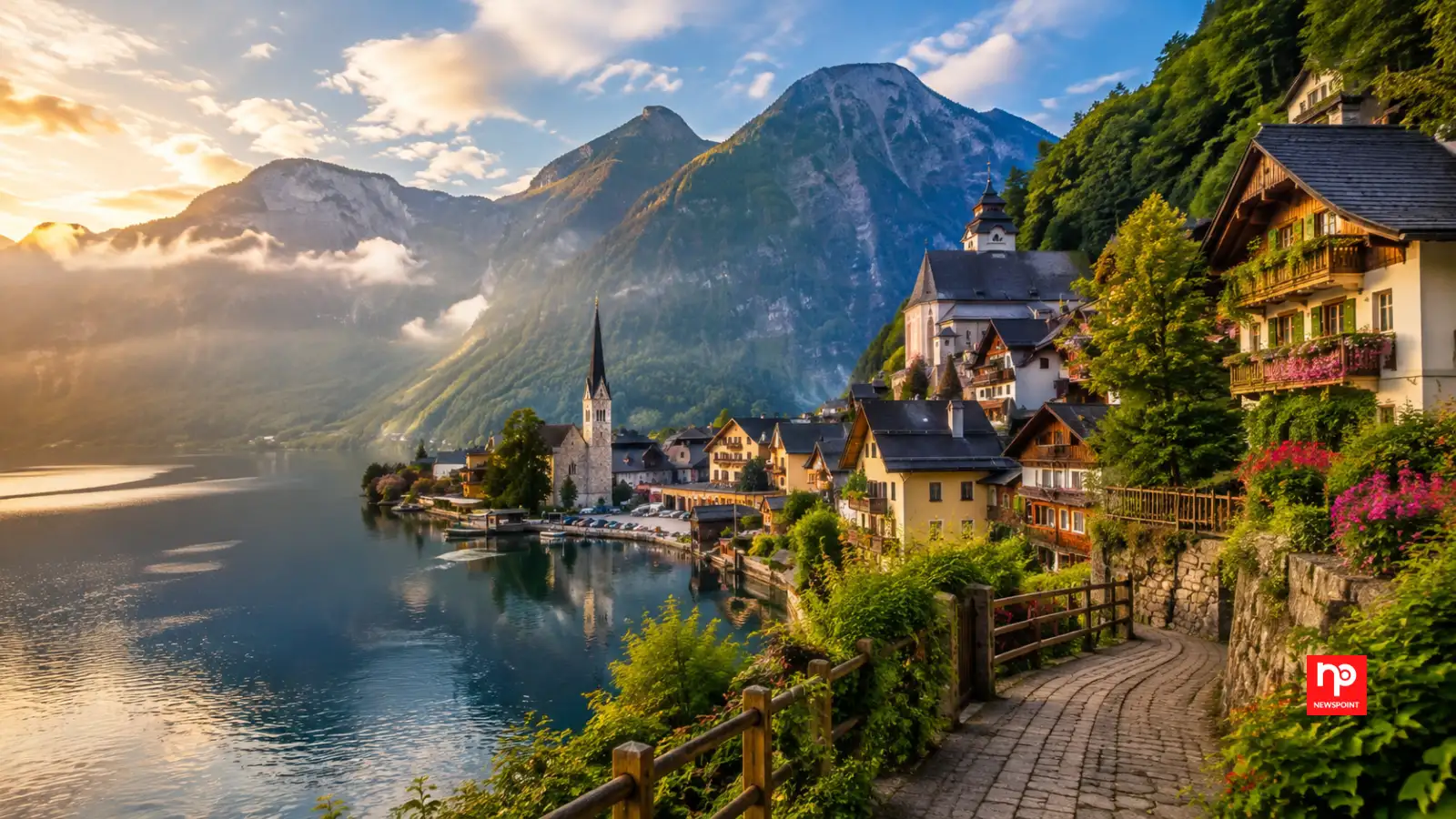
In France, Gordes rises dramatically above the surrounding countryside. Built from golden limestone, the village offers winding streets, historic buildings and panoramic views of the Provence landscape. During summer, nearby lavender fields create an unforgettable scene.
Shirakawa-go in Japan is equally remarkable. Famous for its traditional farmhouses with steep thatched roofs, the village is specially designed to withstand heavy winter snowfall. The landscape becomes especially magical when covered in snow.
In Spain, Albarracín stands on a rocky hilltop surrounded by medieval walls. Narrow streets, pink-coloured buildings and centuries-old architecture transport visitors back in time.
Meanwhile, Reine in Norway is famous for its traditional fishing heritage. Surrounded by dramatic fjords and towering mountains, it continues to reflect the close relationship between local communities and the sea.
Bibury in England is celebrated for its historic stone cottages and peaceful riverside setting. The village has inspired artists and photographers for generations because of its remarkably preserved character.
In South America, the village of Ollantaytambo in Peru offers a unique combination of Inca history and mountain scenery. Many of its original stone streets and water channels continue to function centuries after they were built.
These destinations remind travellers that history often survives best in small communities.
Many famous villages actively limit new construction to preserve their traditional appearance. Strict building regulations help maintain the historical character that attracts visitors from around the world.
Interestingly, some villages have become popular filming locations because their landscapes require very little alteration to create cinematic settings.
Responsible tourism also encourages the protection of historic buildings and natural landscapes. By respecting local customs and supporting sustainable travel, visitors contribute to the long-term survival of these remarkable communities.
In an increasingly fast-paced world, villages offer something many people seek: authenticity, tranquillity and a genuine connection to local life.
Villages That Feel Like They Belong in a Storybook
Some villages are so picturesque that they appear almost unreal. Hallstatt in Austria, with its colourful houses reflected in a tranquil alpine lake, is often considered one of the most photographed villages in the world. Its origins date back thousands of years, and its salt mining history has earned it recognition as a UNESCO World Heritage Site.In France, Gordes rises dramatically above the surrounding countryside. Built from golden limestone, the village offers winding streets, historic buildings and panoramic views of the Provence landscape. During summer, nearby lavender fields create an unforgettable scene.
Shirakawa-go in Japan is equally remarkable. Famous for its traditional farmhouses with steep thatched roofs, the village is specially designed to withstand heavy winter snowfall. The landscape becomes especially magical when covered in snow.
Villages That Preserve Living Traditions
Many beautiful villages are valued not only for their scenery but also for their cultural heritage . Giethoorn in the Netherlands, often called the "Dutch Venice", has no conventional roads in its oldest neighbourhood. Residents travel mainly by boat, bicycle or on foot, creating a peaceful atmosphere rarely found elsewhere.In Spain, Albarracín stands on a rocky hilltop surrounded by medieval walls. Narrow streets, pink-coloured buildings and centuries-old architecture transport visitors back in time.
Meanwhile, Reine in Norway is famous for its traditional fishing heritage. Surrounded by dramatic fjords and towering mountains, it continues to reflect the close relationship between local communities and the sea.
Nature and History Come Together
One reason these villages remain so appealing is their harmony with the surrounding landscape. Many were built long before modern urban development, allowing nature to remain a central part of everyday life.Bibury in England is celebrated for its historic stone cottages and peaceful riverside setting. The village has inspired artists and photographers for generations because of its remarkably preserved character.
You may also like
- For modern parents, trust begins with the ingredient list on foods
- Gaurav Khanna Shares Brutal Injury Video Amid Bullying Claims
- Vrindavan Chandrodaya Mandir to Host Braj Heritage Fest from August 3
- “Papa used to walk to office to save Rs 5”: Man who went viral after getting his 80-year-old father on a Vande Bharat ride for the first time shares his full emotional story
- From Compassion to Policy: The Kingdom That Is Swapping Chicken-Based Meals For Tofu in Schools, Monasteries and Nunneries
In South America, the village of Ollantaytambo in Peru offers a unique combination of Inca history and mountain scenery. Many of its original stone streets and water channels continue to function centuries after they were built.
These destinations remind travellers that history often survives best in small communities.
Lesser-Known Facts About Beautiful Villages
Several countries now recognise exceptional rural communities through official programmes that celebrate outstanding villages for their cultural importance, architecture and sustainability.Many famous villages actively limit new construction to preserve their traditional appearance. Strict building regulations help maintain the historical character that attracts visitors from around the world.
Interestingly, some villages have become popular filming locations because their landscapes require very little alteration to create cinematic settings.
Why These Villages Matter Today
As international tourism continues to grow, many travellers are choosing slower, more meaningful journeys instead of rushing between major cities. Visiting villages supports local businesses, traditional crafts and family-run accommodation while helping preserve cultural heritage.Responsible tourism also encourages the protection of historic buildings and natural landscapes. By respecting local customs and supporting sustainable travel, visitors contribute to the long-term survival of these remarkable communities.
In an increasingly fast-paced world, villages offer something many people seek: authenticity, tranquillity and a genuine connection to local life.






Loving Newspoint? Download the app now
