
Why Jamun Is Becoming One of the World's Most Underrated Superfruits

Every summer, markets across India fill with the deep purple colour of jamun , a fruit that has been cherished for generations but often overlooked in favour of imported berries and trendy superfoods. While many people enjoy its sweet and slightly tangy flavour, few realise just how remarkable this seasonal fruit really is. Rich in nutrients, steeped in history and supported by growing scientific interest, jamun has earned a reputation as one of nature's hidden treasures. From traditional remedies to modern healthy eating habits, this humble fruit is proving that some of the best foods do not need expensive labels or international fame to make a lasting impact.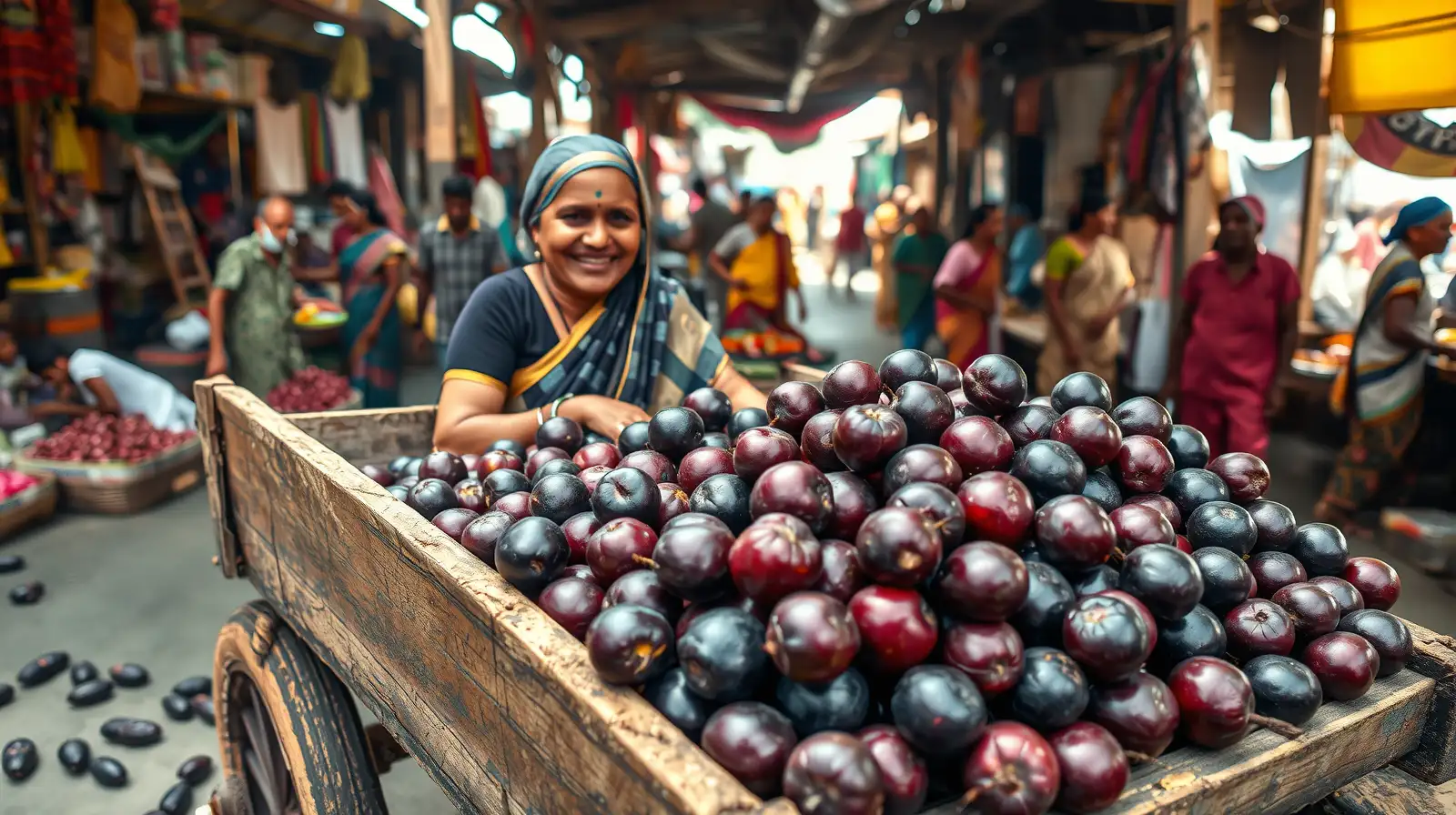
The fruit itself grows during a short season, making it highly anticipated each year. Its distinctive dark purple skin and juicy flesh have made it a favourite summer treat across South Asia, where it is often eaten fresh with a sprinkle of salt.
Jamun is also naturally low in calories while providing a satisfying amount of fibre. This combination can help people feel fuller for longer, making it a sensible addition to a balanced diet.
Scientists are particularly interested in anthocyanins, the pigments responsible for the fruit's deep purple colour. These natural compounds have been associated with supporting heart health and reducing inflammation, although research is still continuing.
Interestingly, jamun trees can live for well over a century, with some surviving for generations. Their dense canopy provides shade, while the trees also support birds, insects and local biodiversity.
Another fascinating fact is that jamun belongs to the same botanical family as cloves and eucalyptus, despite looking completely different.
Choosing seasonal produce often means fresher food with better flavour and nutritional value. It also supports local farmers and reduces the environmental impact associated with transporting imported fruits over long distances.
Jamun's naturally low glycaemic index has also made it popular among people looking for healthier fruit options, although anyone with specific medical conditions should always seek personalised advice from a healthcare professional.
Its striking colour also makes it visually appealing, proving that healthy eating can be both nutritious and attractive.
Why Jamun Has Been Valued for Centuries
Jamun has long held a special place in traditional Indian households. Ancient systems of medicine, including Ayurveda, have recognised the fruit, seeds, leaves and bark for their medicinal properties. For centuries, people have used different parts of the jamun tree to support digestion, manage blood sugar levels and promote overall wellbeing.The fruit itself grows during a short season, making it highly anticipated each year. Its distinctive dark purple skin and juicy flesh have made it a favourite summer treat across South Asia, where it is often eaten fresh with a sprinkle of salt.
The Nutritional Power Hidden Inside Jamun
One reason jamun is attracting renewed attention is its impressive nutritional profile. The fruit contains vitamin C, iron, potassium, dietary fibre and several plant compounds known as antioxidants. These nutrients help protect the body's cells from damage caused by free radicals, which are linked to ageing and various chronic diseases.Jamun is also naturally low in calories while providing a satisfying amount of fibre. This combination can help people feel fuller for longer, making it a sensible addition to a balanced diet.
You may also like
- If you haven't obtained a marriage certificate, you won't get these benefits; find out the process for getting one..
- Passport: You will now have to pay ₹2,500 to get a passport; children and the elderly will receive a 10% discount..
- The government will provide up to ₹15,000 if it is your first job; find out what you need to do to avail the benefits of the scheme..
- Kushal Tanwar Celebrates Third Reality Show Victory with Mother on Zee5
- The 'Fantasy Coffins' of Ghana; a unique funeral tradition that turns death into celebrations of life and why travellers are fascinated
Scientists are particularly interested in anthocyanins, the pigments responsible for the fruit's deep purple colour. These natural compounds have been associated with supporting heart health and reducing inflammation, although research is still continuing.
Lesser-Known Facts About This Purple Fruit
Many people know about the fruit itself, but few realise that jamun seeds are often dried and ground into powder. Traditionally, this powder has been used in herbal preparations, especially for supporting healthy blood sugar management.Interestingly, jamun trees can live for well over a century, with some surviving for generations. Their dense canopy provides shade, while the trees also support birds, insects and local biodiversity.
Another fascinating fact is that jamun belongs to the same botanical family as cloves and eucalyptus, despite looking completely different.
Why Jamun Matters in Today's Diet
As highly processed foods become more common, nutrition experts continue to encourage people to include more seasonal fruits in their meals. Jamun fits this advice perfectly because it is minimally processed, naturally rich in nutrients and widely available during its growing season.Choosing seasonal produce often means fresher food with better flavour and nutritional value. It also supports local farmers and reduces the environmental impact associated with transporting imported fruits over long distances.
Jamun's naturally low glycaemic index has also made it popular among people looking for healthier fruit options, although anyone with specific medical conditions should always seek personalised advice from a healthcare professional.
More Than Just a Seasonal Treat
Jamun is finding its way into modern recipes beyond simply being eaten fresh. It is now used in smoothies, yoghurt bowls, salads, homemade sorbets and refreshing summer drinks. Chefs and nutrition enthusiasts are experimenting with its unique sweet and tangy flavour to create healthier desserts without relying heavily on refined sugar.Its striking colour also makes it visually appealing, proving that healthy eating can be both nutritious and attractive.






More from our partners


Loving Newspoint? Download the app now
