
Animals With Amazing Intelligence and Memory You Never Knew About

For a long time, humans believed intelligence was a trait that largely set us apart from the rest of the animal kingdom. Modern research, however, has revealed a very different picture. From elephants that remember distant watering holes for decades to octopuses capable of solving complex puzzles, many animals possess remarkable memory and intelligence. These abilities help them find food, recognise individuals, avoid danger and adapt to changing environments. Scientists continue to uncover fascinating examples of animal cognition , challenging long-held assumptions about how other species think and learn. The more we discover, the clearer it becomes that intelligence exists in many different forms throughout nature.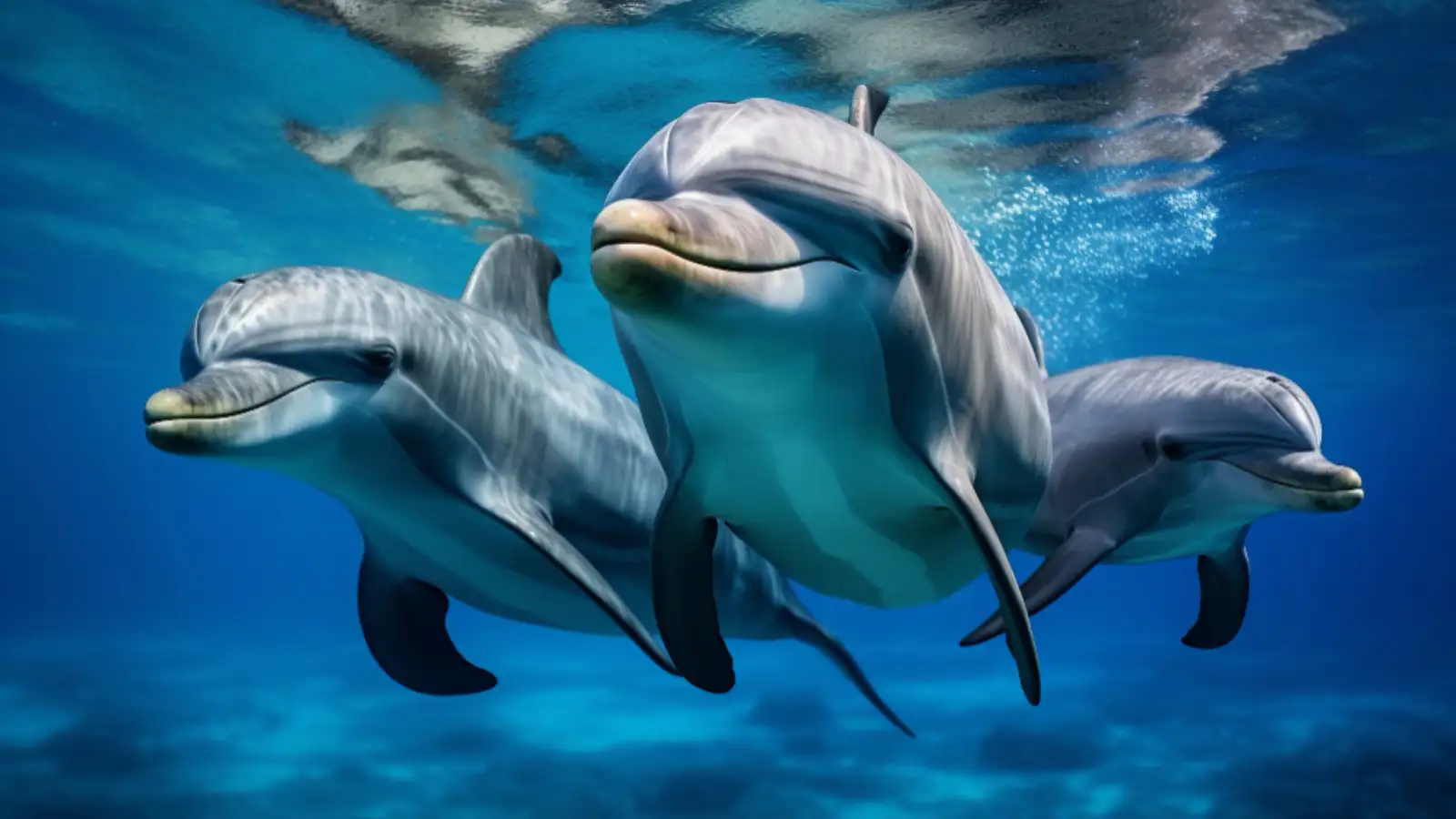
Different species have evolved mental abilities that suit their environments. Dolphins navigate vast oceans using sophisticated communication, while crows excel at using tools to obtain food. Each demonstrates intelligence in ways that increase its chances of survival.
Rather than asking which animal is the smartest, scientists now focus on understanding the unique cognitive strengths of different species.
They also recognise members of their family after long periods apart and can distinguish between friendly and unfamiliar humans through sight, scent and sound.
This exceptional memory helps entire herds survive during droughts and other environmental challenges.
Certain species remember the locations of thousands of hidden food caches months after storing them. Clark's nutcracker, for example, can relocate many of its seed stores even after winter snow has covered the landscape.
Parrots also demonstrate impressive learning abilities, with some capable of understanding shapes, colours, numbers and simple words.
Octopuses, despite being invertebrates, display remarkable problem-solving skills. They can open jars, escape from secure enclosures and quickly learn through observation and experience.
Researchers believe their intelligence evolved independently from that of mammals, making them one of the most fascinating examples of animal cognition.
Squirrels remember the positions of hundreds, and sometimes thousands, of buried nuts, using landmarks and spatial memory to recover them months later.
Even domestic dogs have demonstrated the ability to understand human gestures, remember commands over long periods and recognise familiar faces and voices, strengthening the bond they share with people.
Habitat destruction, pollution and climate change threaten many highly intelligent animals, including elephants, dolphins and great apes. Losing these species would mean losing behaviours and knowledge that have evolved over millions of years.
Greater awareness can inspire stronger conservation efforts while encouraging people to appreciate animals as thinking, adaptable beings rather than creatures driven purely by instinct.
Intelligence Takes Many Different Forms
Animal intelligence is not measured by a single standard. Instead, it reflects a combination of learning, memory, communication, problem-solving and the ability to adapt to new situations.Different species have evolved mental abilities that suit their environments. Dolphins navigate vast oceans using sophisticated communication, while crows excel at using tools to obtain food. Each demonstrates intelligence in ways that increase its chances of survival.
Rather than asking which animal is the smartest, scientists now focus on understanding the unique cognitive strengths of different species.
Elephants Never Forget... Almost
Elephants are famous for their extraordinary memory, and scientific studies largely support this reputation. Female elephants, especially experienced matriarchs, can remember the locations of water sources and migration routes across enormous landscapes, even after many years.They also recognise members of their family after long periods apart and can distinguish between friendly and unfamiliar humans through sight, scent and sound.
This exceptional memory helps entire herds survive during droughts and other environmental challenges.
Clever Birds Continue to Surprise Researchers
Birds may have relatively small brains, but some possess astonishing intelligence. Crows and ravens can solve multi-step puzzles, fashion tools from twigs and even plan for future needs.Certain species remember the locations of thousands of hidden food caches months after storing them. Clark's nutcracker, for example, can relocate many of its seed stores even after winter snow has covered the landscape.
You may also like
- EPFO: Good news for companies managing PF trusts! EPFO to grant major relaxations in rules..
- EPFO 3.0 Launched! No more running around for PF claims, transfers, and passbooks..
- I found a pair of comfortable £25 sandals in Clarks sale to rival £59 Skechers
- Delicious Homemade Paneer Bhatura Recipe
- Delicious Besan Halwa Recipe: A Sweet Indian Delight
Parrots also demonstrate impressive learning abilities, with some capable of understanding shapes, colours, numbers and simple words.
Dolphins and Octopuses Show Advanced Thinking
Dolphins are among the few animals known to recognise themselves in mirrors, a behaviour often linked with self-awareness. They communicate using unique signature whistles that function much like names, allowing individuals to identify one another within large groups.Octopuses, despite being invertebrates, display remarkable problem-solving skills. They can open jars, escape from secure enclosures and quickly learn through observation and experience.
Researchers believe their intelligence evolved independently from that of mammals, making them one of the most fascinating examples of animal cognition.
Surprising Facts About Animal Memory
Honeybees can remember the locations of rewarding flowers and communicate these discoveries to other bees through the famous waggle dance.Squirrels remember the positions of hundreds, and sometimes thousands, of buried nuts, using landmarks and spatial memory to recover them months later.
Even domestic dogs have demonstrated the ability to understand human gestures, remember commands over long periods and recognise familiar faces and voices, strengthening the bond they share with people.
Why Animal Intelligence Matters Today
Studying animal intelligence helps scientists better understand evolution, behaviour and even the origins of human cognition. It also highlights the importance of protecting species that possess complex social structures and learning abilities.Habitat destruction, pollution and climate change threaten many highly intelligent animals, including elephants, dolphins and great apes. Losing these species would mean losing behaviours and knowledge that have evolved over millions of years.
Greater awareness can inspire stronger conservation efforts while encouraging people to appreciate animals as thinking, adaptable beings rather than creatures driven purely by instinct.






Loving Newspoint? Download the app now
