
Does Aluminum Foil Cause Cancer? Experts Reveal Safe Uses, Risks and Kitchen Dos & Don'ts

Does aluminum foil cause cancer ? It’s a question that often surfaces whenever concerns about food safety and kitchen habits make headlines. Aluminum foil is a staple in most households, used for wrapping leftovers, baking meals and grilling food. While many people worry that it may release harmful substances into food, medical experts say the reality is more nuanced. When used correctly, aluminum foil is generally considered safe. However, certain cooking methods and food types can increase the amount of aluminum that transfers into food, making it important to understand when and how to use it wisely.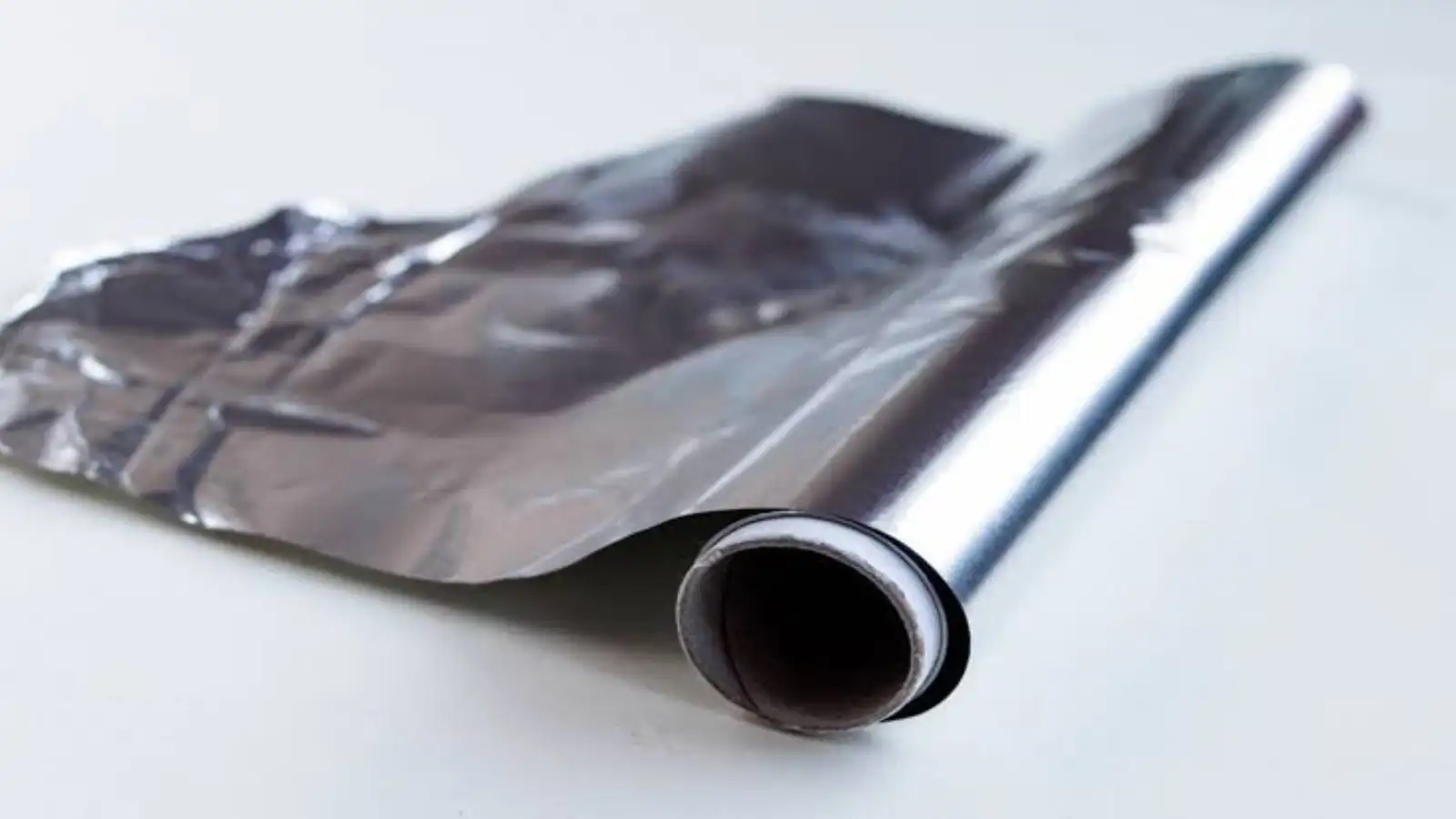
Is aluminum foil safe for everyday cooking?
According to health experts, aluminum foil is safe for common kitchen tasks such as wrapping sandwiches, covering baked dishes or storing dry foods for a short time. The concern arises when foil comes into contact with acidic or salty foods, especially during high-temperature cooking.
Under these conditions, tiny amounts of aluminum can migrate into food. Although the amount is usually small, repeated exposure over long periods is best avoided by following safe cooking practices .
Another important safety tip is to never place aluminum foil inside a microwave unless the appliance manufacturer specifically states that it is safe. Foil can create sparks inside the microwave, increasing the risk of fire and damaging the appliance.
When does aluminum transfer into food increase?
The amount of aluminum that leaches into food depends largely on the ingredients and cooking conditions. Experts say the transfer becomes more likely in the following situations:
Cooking foods containing tomatoes, lemons, tamarind, vinegar or other acidic ingredients.
Preparing dishes with a high salt content.
Heating food at very high temperatures for extended periods.
Wrapping hot acidic foods in foil before storing them.
Some common examples include:
These situations can increase aluminum migration compared to wrapping dry or neutral foods.
How to use aluminum foil safely in the kitchen
Using aluminum foil correctly can significantly reduce unnecessary exposure. Experts recommend a few simple precautions:
Is aluminum foil safe for everyday cooking?
According to health experts, aluminum foil is safe for common kitchen tasks such as wrapping sandwiches, covering baked dishes or storing dry foods for a short time. The concern arises when foil comes into contact with acidic or salty foods, especially during high-temperature cooking.
Under these conditions, tiny amounts of aluminum can migrate into food. Although the amount is usually small, repeated exposure over long periods is best avoided by following safe cooking practices .
Another important safety tip is to never place aluminum foil inside a microwave unless the appliance manufacturer specifically states that it is safe. Foil can create sparks inside the microwave, increasing the risk of fire and damaging the appliance.
When does aluminum transfer into food increase?
The amount of aluminum that leaches into food depends largely on the ingredients and cooking conditions. Experts say the transfer becomes more likely in the following situations:
Cooking foods containing tomatoes, lemons, tamarind, vinegar or other acidic ingredients.
Preparing dishes with a high salt content.
Heating food at very high temperatures for extended periods.
Wrapping hot acidic foods in foil before storing them.
Some common examples include:
- Fish baked with lemon inside aluminum foil.
- Tomato-based curries wrapped immediately after cooking.
- Pickles or vinegar-rich foods stored in foil.
These situations can increase aluminum migration compared to wrapping dry or neutral foods.
How to use aluminum foil safely in the kitchen
Using aluminum foil correctly can significantly reduce unnecessary exposure. Experts recommend a few simple precautions:
Next Story