
Does Raw Paneer Have More Protein Than Cooked Paneer? Here's The Truth

Paneer is one of the most popular protein rich foods for vegetarians and a staple in many Indian households. Whether enjoyed raw, grilled or added to curries, paneer protein makes it a valuable addition to a high protein diet . But does cooking paneer reduce its protein content, or does it actually increase the amount of protein you get?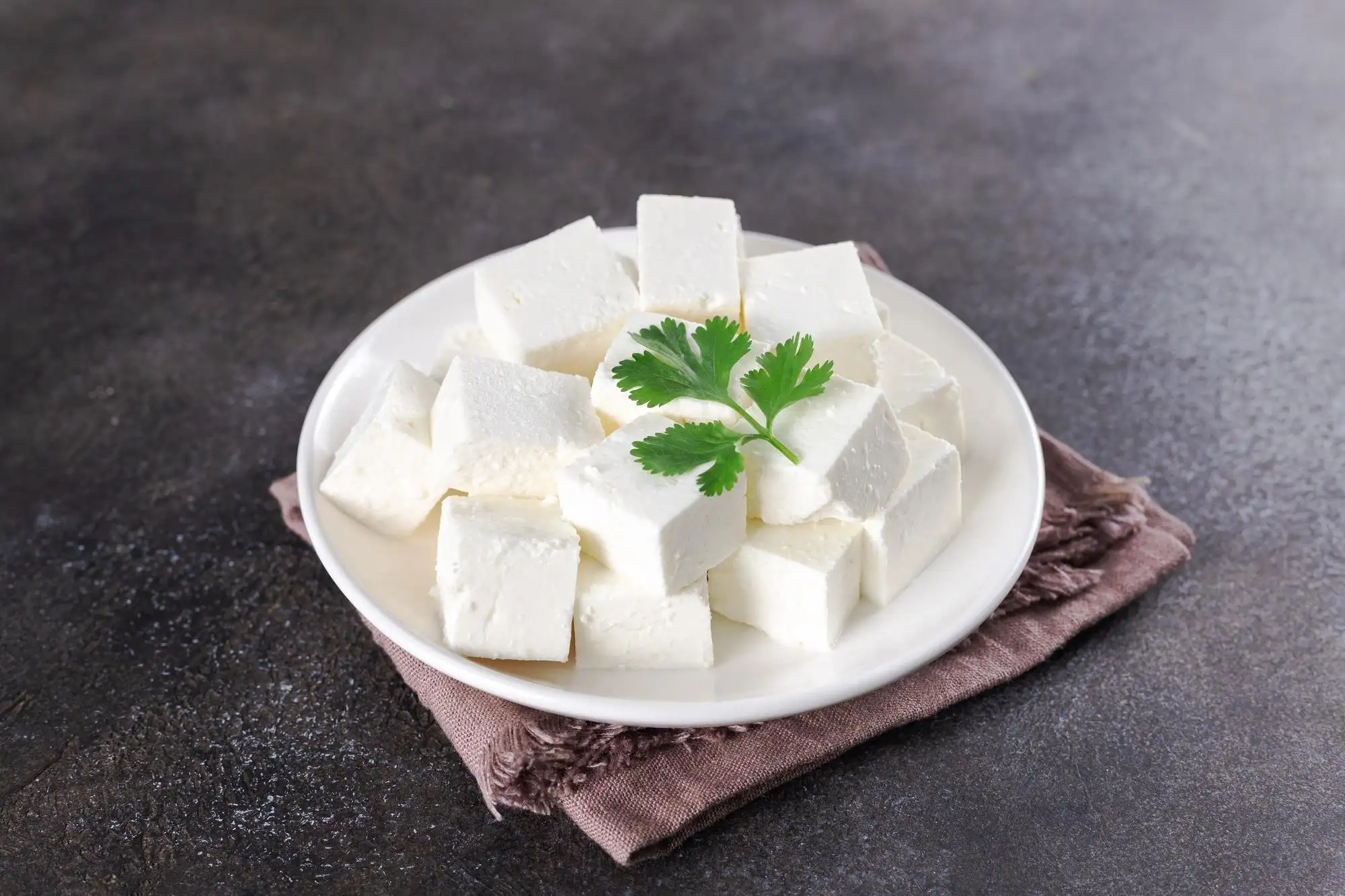
The answer is more nuanced than a simple yes or no. The way paneer is prepared affects its weight, calorie content and nutrient concentration, but both raw and cooked paneer remain highly nutritious.
Besides protein, paneer is rich in calcium, phosphorus and healthy fats, making it beneficial for bone strength and supporting everyday nutritional needs.
"Cooked paneer would have more protein per weight. Cooking reduces moisture, making paneer more concentrated. So, per gram, cooked paneer contains more protein than raw paneer . However, raw paneer has more protein per calorie. As cooking comes with added fat that increases the calorie density of the preparation."
In simple terms, the total protein in paneer remains almost the same. However, because cooking removes some water, cooked paneer becomes denser, making the protein appear higher per gram. If additional oil or butter is used during cooking, the calorie count also increases.
Also Read: How To Make A Quick Palak Paneer With Light Gravy For A Healthy Weeknight Meal
Preparing cooked paneer by lightly sautéing it or adding it towards the end of a curry helps preserve its nutritional value while enhancing flavour.
For better nutrition:
Whether you prefer raw paneer or cooked paneer, both offer excellent nutritional benefits and contribute significantly to your daily protein intake. Cooking mainly changes moisture content rather than eliminating protein. Choosing healthier cooking methods and combining paneer with other wholesome foods can help you enjoy a balanced, nutrient-rich diet that supports muscle health and overall wellbeing.
Disclaimer: This article is intended for general informational purposes only. We at NewsPoint do not claim responsibility for the completeness or accuracy of the information presented. Always consult a qualified doctor or registered dietitian before making significant changes to your diet or nutrition plan.
The answer is more nuanced than a simple yes or no. The way paneer is prepared affects its weight, calorie content and nutrient concentration, but both raw and cooked paneer remain highly nutritious.
Why Paneer Is a Great Source of Protein
Paneer contains approximately 18 to 21 grams of protein per 100 grams, making it an excellent vegetarian protein source. It is also a complete protein, supplying all nine essential amino acids that the body needs for muscle repair, growth and overall health.Besides protein, paneer is rich in calcium, phosphorus and healthy fats, making it beneficial for bone strength and supporting everyday nutritional needs.
Raw vs Cooked Paneer : Which Has More Protein?
According to renowned nutritionist Lovneet Batra, cooking changes the moisture content of paneer rather than destroying its protein.You may also like
- Celebrating Sawan 2026: A Month of Devotion to Lord Shiva
- Exploring the Spiritual Significance of Kanwar Yatra 2026
- Celebrating Sawan 2026: Essential Guidelines for Worshipping Lord Shiva
- Sawan 2026: Sawan, the month dear to Lord Bholenath, begins today; learn the complete worship ritual and what offerings to make..
- Psychology says people who take short trips every few months are happier, less stressed and more resilient than those who wait for one big annual vacation
"Cooked paneer would have more protein per weight. Cooking reduces moisture, making paneer more concentrated. So, per gram, cooked paneer contains more protein than raw paneer . However, raw paneer has more protein per calorie. As cooking comes with added fat that increases the calorie density of the preparation."
In simple terms, the total protein in paneer remains almost the same. However, because cooking removes some water, cooked paneer becomes denser, making the protein appear higher per gram. If additional oil or butter is used during cooking, the calorie count also increases.
Also Read: How To Make A Quick Palak Paneer With Light Gravy For A Healthy Weeknight Meal
Does Cooking Affect Paneer Nutrition ?
Light cooking can improve digestibility by slightly breaking down proteins, allowing the body to absorb them more easily. However, excessive frying or prolonged cooking may affect the texture and reduce some heat-sensitive nutrients.Preparing cooked paneer by lightly sautéing it or adding it towards the end of a curry helps preserve its nutritional value while enhancing flavour.
Best Ways to Retain Paneer Protein
Dietitian Ms Prachi Jain recommends choosing quality protein sources throughout the day instead of relying only on paneer.For better nutrition:
- Lightly toss paneer cubes in a non-stick pan using a small amount of olive oil or ghee instead of deep-frying.
- Warm raw paneer in the microwave for 20 to 30 seconds to soften it without extensive cooking.
- Add paneer cubes to hot curry just before switching off the flame to avoid prolonged simmering.
- Pair paneer with whole grains such as roti, quinoa or brown rice.
- Include pulses, beans and vegetables for a balanced meal.
- Add paneer to salads, wraps, sandwiches or curries for variety.
- Enjoy raw paneer as a healthy snack with fruits or nuts.
- Choose low-fat paneer if you are watching your calorie intake.
Whether you prefer raw paneer or cooked paneer, both offer excellent nutritional benefits and contribute significantly to your daily protein intake. Cooking mainly changes moisture content rather than eliminating protein. Choosing healthier cooking methods and combining paneer with other wholesome foods can help you enjoy a balanced, nutrient-rich diet that supports muscle health and overall wellbeing.
Disclaimer: This article is intended for general informational purposes only. We at NewsPoint do not claim responsibility for the completeness or accuracy of the information presented. Always consult a qualified doctor or registered dietitian before making significant changes to your diet or nutrition plan.






Loving Newspoint? Download the app now
