
Dong Valley: The Hidden Arunachal Pradesh Village That Sees India’s First Sunrise

In an era dominated by hyper-connected tourism and curated travel checklists, finding a destination that retains an air of genuine mystery is an increasingly rare feat. Most holiday destinations are celebrated for their built monuments, bustling local markets, or iconic commercial skylines. However, tucked away in the extreme eastern frontier of Arunachal Pradesh, Dong Valley has earned its legendary status through something far less tangible, yet infinitely more spectacular. Long before the rest of the country has even begun to stir awake, the very first rays of daylight slice through the morning mist here, illuminating a rugged borderland landscape hours before dawn touches India's major metropolitan hubs.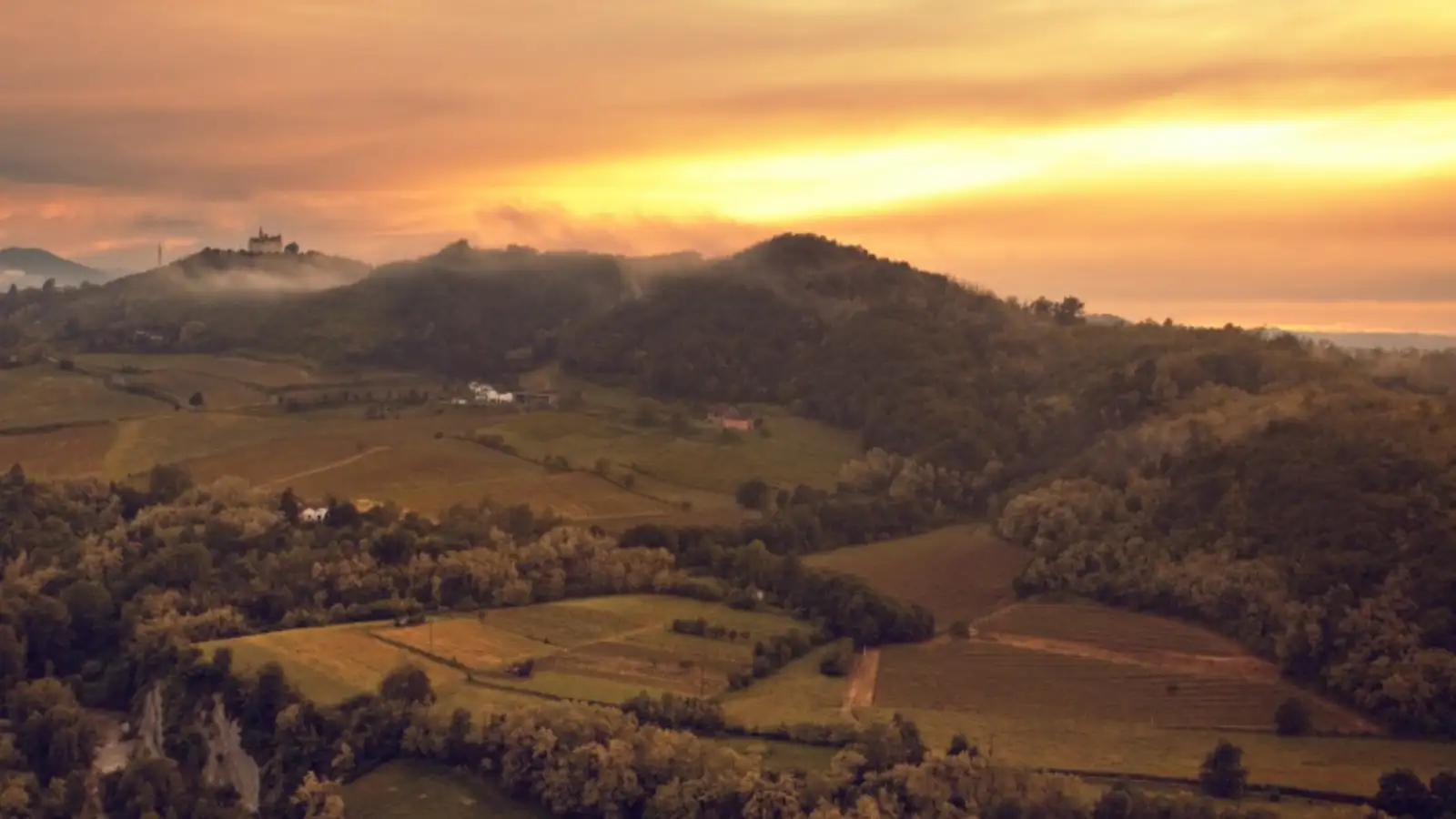
The valley transitioned from a hidden local secret to a spot of global curiosity at the turn of the millennium, when travelers from across the earth journeyed to its remote coordinates on January 1, 2000, to witness the historic first sunrise of the new millennium. Despite that brief flash of international media attention, the valley has successfully resisted the commercial traps of mainstream tourism, largely due to its demanding geography.
The daily routines of the Meyor people remain closely intertwined with the natural seasonal cycles of the mountains, allowing traditional customs and community gatherings to thrive beautifully alongside gradual modernization.
Furthermore, the journey to Dong is historically enriched by its surrounding points of interest:
Embracing the slow-travel allure of Dong Valley requires a deliberate blend of rigorous planning, logistical patience, and a respect for nature. Because the valley features no heavy commercial tourist infrastructure, visitors must embark on a pre-dawn trek across an iron-floored suspension footbridge over the roaring Lohit River to reach the prime sunrise ridges.
Accessing this remote frontier typically begins in Assam, with travelers flying or taking a train into Dibrugarh before charting a multi-day road journey through Tezu, advancing upward through the winding mountain passes of the Lohit Valley to Walong.
Given the unpredictable mountain weather and changing road conditions, the journey requires time and proper Inner Line Permits (ILP). Ultimately, the physical effort required to stand on these ridges serves as a natural protective barrier, ensuring that India's easternmost valley remains an unspoiled paradise for those willing to travel to the edge of the morning.
The Geography of the First Dawn
Geographically situated near Walong within the mountainous Lohit district, Dong Valley rests gracefully on the left bank of the fast-flowing Lohit River. The region is a dramatic visual tapestry of sharp topographical contrasts, featuring heavily forested slopes, dense alpine pine forests, and towering snow-capped Himalayan peaks cutting into the horizon.The valley transitioned from a hidden local secret to a spot of global curiosity at the turn of the millennium, when travelers from across the earth journeyed to its remote coordinates on January 1, 2000, to witness the historic first sunrise of the new millennium. Despite that brief flash of international media attention, the valley has successfully resisted the commercial traps of mainstream tourism, largely due to its demanding geography.
Cultural Identity and Neighboring Frontiers
An exploration of Dong Valley offers travelers far more than a simple panoramic sunrise viewpoint; it serves as an immersive window into a deeply preserved way of life. The settlement is home to the indigenous Meyor community, a resilient ethnic group whose ancestral roots in these eastern borderlands stretch back generations.The daily routines of the Meyor people remain closely intertwined with the natural seasonal cycles of the mountains, allowing traditional customs and community gatherings to thrive beautifully alongside gradual modernization.
Furthermore, the journey to Dong is historically enriched by its surrounding points of interest:
- Walong: The primary gateway to the valley, carrying immense historical weight and deep emotional significance linked directly to the fiercely fought 1962 Sino-Indian conflict.
- Kibithu: Situated slightly further east, it stands proudly as one of the easternmost permanently inhabited civilian settlements in India, resting right along the sensitive international border.
- Natural Hot Springs: Scattered throughout the wider regional route, these geo-thermal springs offer a therapeutic recovery spot for trekkers navigating the steep alpine landscape.
Navigating the Winding Path to the East
Embracing the slow-travel allure of Dong Valley requires a deliberate blend of rigorous planning, logistical patience, and a respect for nature. Because the valley features no heavy commercial tourist infrastructure, visitors must embark on a pre-dawn trek across an iron-floored suspension footbridge over the roaring Lohit River to reach the prime sunrise ridges. Accessing this remote frontier typically begins in Assam, with travelers flying or taking a train into Dibrugarh before charting a multi-day road journey through Tezu, advancing upward through the winding mountain passes of the Lohit Valley to Walong.
Given the unpredictable mountain weather and changing road conditions, the journey requires time and proper Inner Line Permits (ILP). Ultimately, the physical effort required to stand on these ridges serves as a natural protective barrier, ensuring that India's easternmost valley remains an unspoiled paradise for those willing to travel to the edge of the morning.
Next Story