
Grow a Lush Tulsi Plant at Home with These Simple Tips

Tulsi, also known as holy basil, is one of the most loved plants in Indian homes. Apart from its cultural and spiritual significance, it is valued for its pleasant aroma and traditional wellness uses. The good news is that Tulsi is easy to grow if you provide the right conditions. Here are some simple tips to help your Tulsi plant stay healthy and thrive.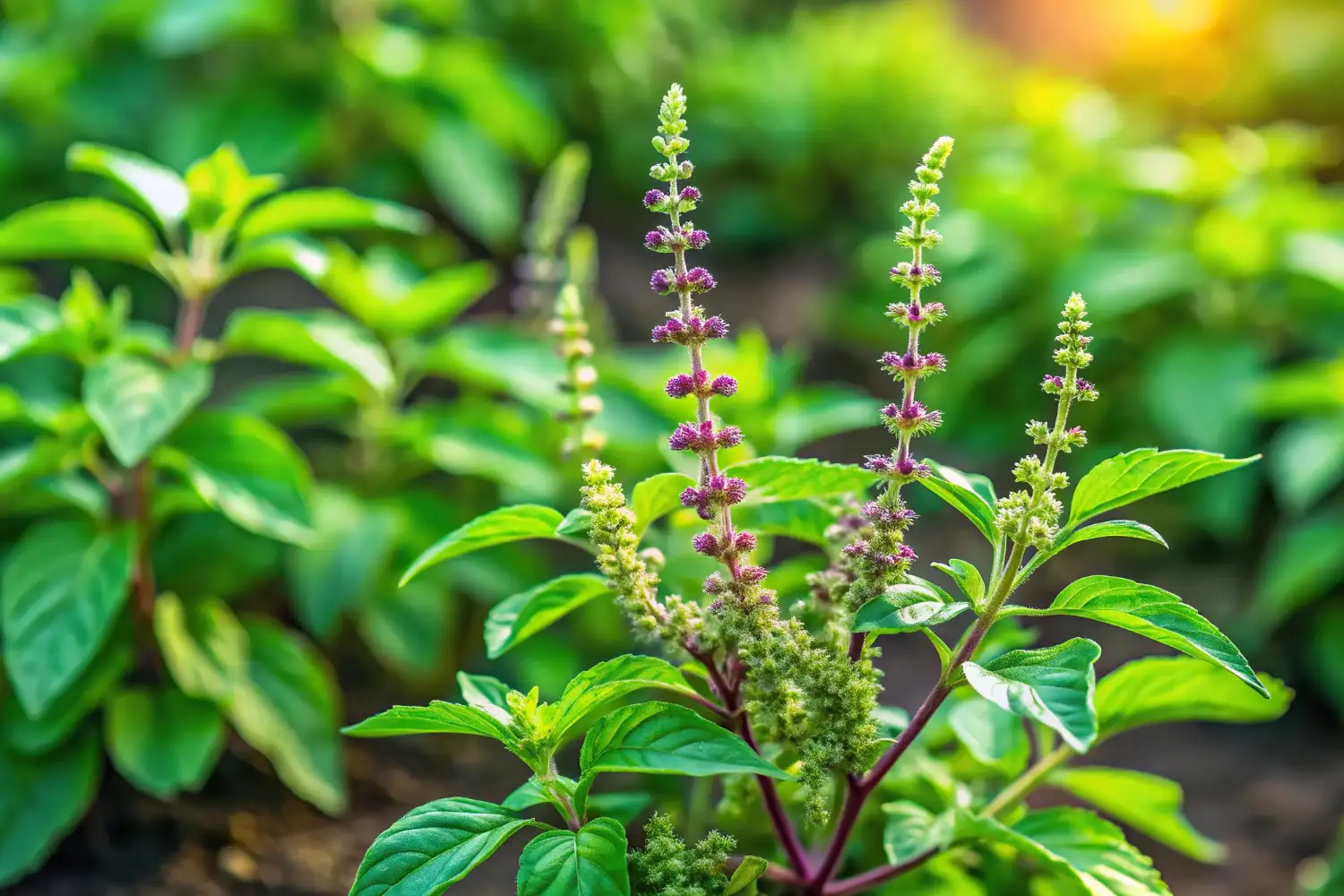
Choose the Right Spot
Tulsi grows best in a location that receives at least 4 to 6 hours of direct sunlight every day. A sunny balcony, terrace, or windowsill with good airflow is ideal. Lack of sunlight can lead to weak stems and slower growth.
Use Well-Draining Soil
Healthy roots need soil that drains excess water easily. A mix of garden soil, compost, and coarse sand or coco peat works well. Rich, loose soil encourages better root development and keeps the plant growing steadily.
Water Carefully
Tulsi prefers slightly moist soil but does not like standing water. Water only when the top layer of soil feels dry. During hot weather, the plant may need more frequent watering, while in cooler or rainy conditions, reduce watering to avoid root rot.
Feed with Organic Compost
Adding organic compost every three to four weeks provides essential nutrients. Homemade compost or well-rotted cow manure can improve soil fertility and support healthy leaves without relying on chemical fertilizers.
Pinch the Growing Tips
Regularly pinch off the top leaves once the plant becomes established. This simple practice encourages the Tulsi plant to grow bushier with more branches instead of becoming tall and sparse.
Remove Flowers Regularly
Although Tulsi naturally produces flowers, removing the flower spikes helps the plant focus its energy on producing fresh leaves. If you want to collect seeds, allow a few flowers to mature at the end of the season.
Ensure Good Air Circulation
Place the plant where air can move freely around it. Proper ventilation helps reduce the risk of fungal diseases and keeps the leaves healthy, especially during humid weather.
Protect from Extreme Weather
Tulsi prefers warm temperatures. During heavy rain, frost, or extreme heat, move potted plants to a sheltered location. Protecting the plant from harsh conditions helps prevent stress and leaf damage.
Check for Pests
Inspect the leaves regularly for aphids, mealybugs, or whiteflies. If pests appear, spray a mild neem oil solution or wash the leaves with water. Early treatment usually keeps infestations under control.
Harvest the Right Way
Pluck leaves gently instead of removing large branches. Avoid harvesting more than one-third of the plant at a time, allowing it to recover and continue producing fresh growth.
Growing a healthy Tulsi plant at home is simple with consistent care. Plenty of sunlight, well-draining soil, balanced watering, occasional feeding, and regular pruning can keep the plant lush throughout the year. With just a little attention, your Tulsi can remain green, fragrant, and full of healthy new leaves.
Choose the Right Spot
Tulsi grows best in a location that receives at least 4 to 6 hours of direct sunlight every day. A sunny balcony, terrace, or windowsill with good airflow is ideal. Lack of sunlight can lead to weak stems and slower growth. Use Well-Draining Soil
Healthy roots need soil that drains excess water easily. A mix of garden soil, compost, and coarse sand or coco peat works well. Rich, loose soil encourages better root development and keeps the plant growing steadily.Water Carefully
Tulsi prefers slightly moist soil but does not like standing water. Water only when the top layer of soil feels dry. During hot weather, the plant may need more frequent watering, while in cooler or rainy conditions, reduce watering to avoid root rot. Feed with Organic Compost
Adding organic compost every three to four weeks provides essential nutrients. Homemade compost or well-rotted cow manure can improve soil fertility and support healthy leaves without relying on chemical fertilizers.You may also like
- Grooming Tips: How to look classy and attractive without spending a fortune? 5 surefire grooming tips
- Hair Wash During Periods: Does washing your hair on the first day of your period really increase bleeding? What do doctors say?
- Palamu Mustard Oil Incident: How dangerous is adulterated mustard oil, which took the lives of 6 people in Jharkhand?
- Quit Smoking: If you adopt these 4 methods, you will quit smoking immediately and will not touch it even by mistake.
- This 69-year-old paralysed man cleaned a river in silence until a young photographer noticed him
Pinch the Growing Tips
Regularly pinch off the top leaves once the plant becomes established. This simple practice encourages the Tulsi plant to grow bushier with more branches instead of becoming tall and sparse. Remove Flowers Regularly
Although Tulsi naturally produces flowers, removing the flower spikes helps the plant focus its energy on producing fresh leaves. If you want to collect seeds, allow a few flowers to mature at the end of the season. Ensure Good Air Circulation
Place the plant where air can move freely around it. Proper ventilation helps reduce the risk of fungal diseases and keeps the leaves healthy, especially during humid weather. Protect from Extreme Weather
Tulsi prefers warm temperatures. During heavy rain, frost, or extreme heat, move potted plants to a sheltered location. Protecting the plant from harsh conditions helps prevent stress and leaf damage.Check for Pests
Inspect the leaves regularly for aphids, mealybugs, or whiteflies. If pests appear, spray a mild neem oil solution or wash the leaves with water. Early treatment usually keeps infestations under control. Harvest the Right Way
Pluck leaves gently instead of removing large branches. Avoid harvesting more than one-third of the plant at a time, allowing it to recover and continue producing fresh growth. Growing a healthy Tulsi plant at home is simple with consistent care. Plenty of sunlight, well-draining soil, balanced watering, occasional feeding, and regular pruning can keep the plant lush throughout the year. With just a little attention, your Tulsi can remain green, fragrant, and full of healthy new leaves.






Loving Newspoint? Download the app now
