
Smart Ways to Reduce Excess Salt Without Ruining Your Meal

Adding too much salt to a dish is a common kitchen mistake, but it doesn't always mean the meal is ruined. With a few simple tricks, you can balance the flavor and make your food enjoyable again. Here are some easy and practical ways to reduce the salty taste without starting over.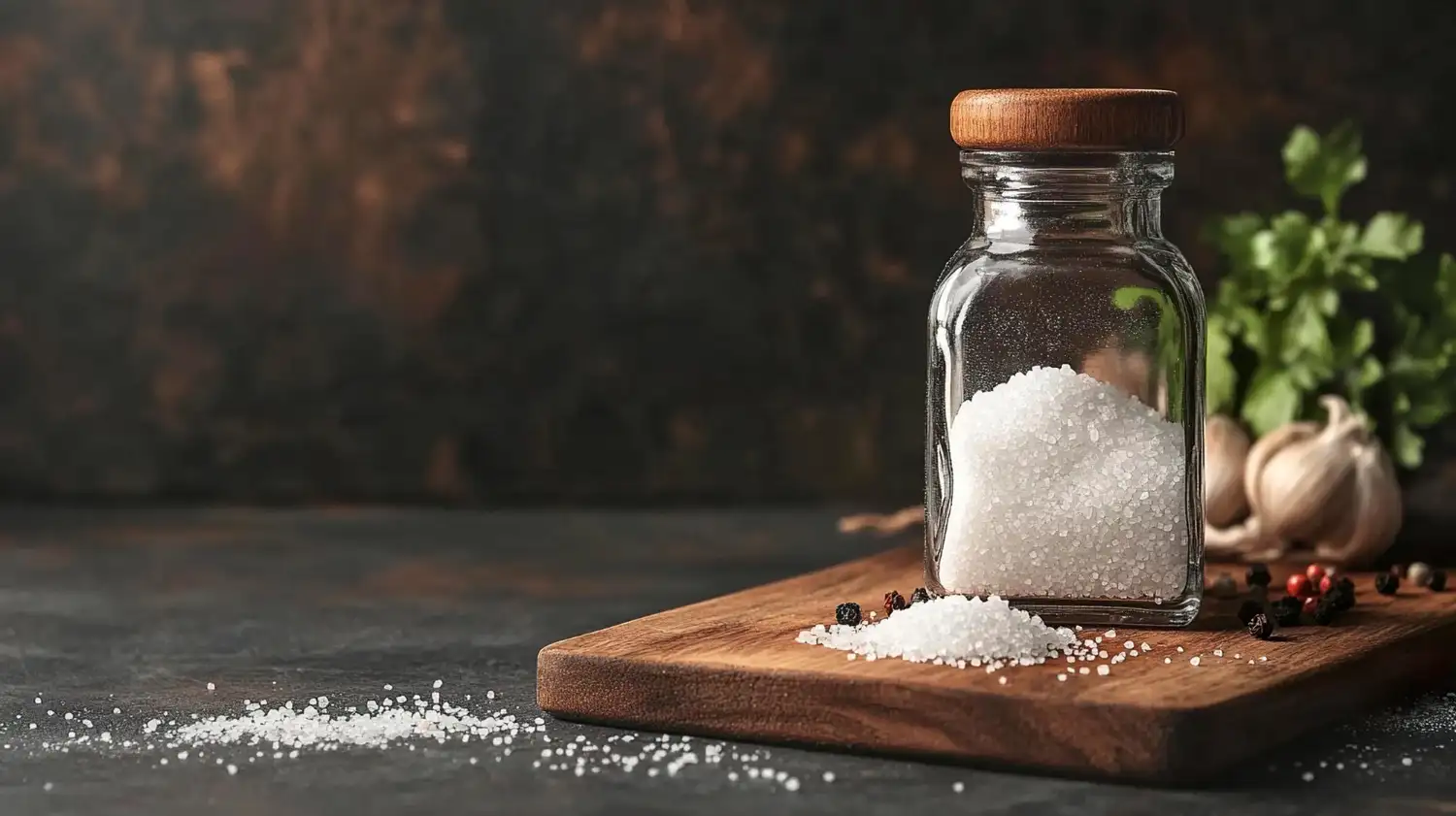
Dilute the Dish
One of the easiest ways to reduce saltiness is to increase the quantity of the dish. Add more water, unsalted stock, vegetables, cooked grains, or other ingredients, depending on the recipe. This spreads the salt across a larger volume, making the overall taste milder.
Add Potatoes for Certain Dishes
If you're making soups, curries, or stews, adding peeled potato chunks can help balance the flavor. While potatoes don't "absorb" salt in a significant scientific sense, they do absorb some of the seasoned liquid while cooking. Remove the potatoes before serving if they don't suit the recipe.
Stir in Dairy
Dairy products such as plain yogurt, cream, milk, or unsalted butter can soften the perception of saltiness. This works especially well in creamy curries, pasta sauces, and soups while also adding richness to the dish.
Balance with a Little Acid
A splash of lemon juice, lime juice, or vinegar can brighten flavors and reduce the perception of excessive salt. Use only a small amount and taste as you go to avoid making the dish too sour.
Add a Touch of Sweetness
A small amount of sugar, honey, or another sweet ingredient can help balance salty flavors in certain recipes like tomato-based sauces, stir-fries, or gravies. The goal is balance, not making the dish sweet.
Bulk Up with Vegetables
Adding extra vegetables such as carrots, spinach, peas, beans, or bell peppers increases the volume of the dish and naturally tones down the saltiness. This method also boosts the meal's nutritional value.
Serve with Plain Sides
If the main dish is slightly salty, pair it with plain rice, quinoa, pasta, bread, or mashed potatoes without added salt. These sides help balance the overall flavor of the meal.
Avoid Adding More Salty Ingredients
Skip ingredients like soy sauce, cheese, pickles, olives, salted butter, or seasoning mixes if the dish already tastes salty. Instead, use fresh herbs, garlic, ginger, or spices to enhance flavor without increasing sodium.
Taste Before Seasoning
The best way to prevent over-salting is to taste your food throughout cooking. Add salt gradually instead of all at once, especially when using ingredients that already contain sodium, such as canned foods, broths, or sauces.
Too much salt doesn't have to spoil your meal. Simple adjustments like diluting the dish, adding dairy, vegetables, or a splash of acid can help restore balance. Most importantly, season gradually and taste often to avoid the problem in the first place.
Dilute the Dish
One of the easiest ways to reduce saltiness is to increase the quantity of the dish. Add more water, unsalted stock, vegetables, cooked grains, or other ingredients, depending on the recipe. This spreads the salt across a larger volume, making the overall taste milder. Add Potatoes for Certain Dishes
If you're making soups, curries, or stews, adding peeled potato chunks can help balance the flavor. While potatoes don't "absorb" salt in a significant scientific sense, they do absorb some of the seasoned liquid while cooking. Remove the potatoes before serving if they don't suit the recipe.Stir in Dairy
Dairy products such as plain yogurt, cream, milk, or unsalted butter can soften the perception of saltiness. This works especially well in creamy curries, pasta sauces, and soups while also adding richness to the dish. Balance with a Little Acid
A splash of lemon juice, lime juice, or vinegar can brighten flavors and reduce the perception of excessive salt. Use only a small amount and taste as you go to avoid making the dish too sour.You may also like
- This 69-year-old paralysed man cleaned a river in silence until a young photographer noticed him
- 8 Monsoon Foods to Avoid During Pregnancy
- Income Tax Alert: Government monitoring foreign-sourced income; full details now visible in AIS
- Ration Card Rule: Grain to be issued via QR code and face scan; Delhi Government introducing new PDS system
- Travel Tax: Heading to Nainital on a bike or scooter? Be aware—your trip just got costlier; here's the tax amount being charged.
Add a Touch of Sweetness
A small amount of sugar, honey, or another sweet ingredient can help balance salty flavors in certain recipes like tomato-based sauces, stir-fries, or gravies. The goal is balance, not making the dish sweet. Bulk Up with Vegetables
Adding extra vegetables such as carrots, spinach, peas, beans, or bell peppers increases the volume of the dish and naturally tones down the saltiness. This method also boosts the meal's nutritional value. Serve with Plain Sides
If the main dish is slightly salty, pair it with plain rice, quinoa, pasta, bread, or mashed potatoes without added salt. These sides help balance the overall flavor of the meal. Avoid Adding More Salty Ingredients
Skip ingredients like soy sauce, cheese, pickles, olives, salted butter, or seasoning mixes if the dish already tastes salty. Instead, use fresh herbs, garlic, ginger, or spices to enhance flavor without increasing sodium.Taste Before Seasoning
The best way to prevent over-salting is to taste your food throughout cooking. Add salt gradually instead of all at once, especially when using ingredients that already contain sodium, such as canned foods, broths, or sauces. Too much salt doesn't have to spoil your meal. Simple adjustments like diluting the dish, adding dairy, vegetables, or a splash of acid can help restore balance. Most importantly, season gradually and taste often to avoid the problem in the first place.






Loving Newspoint? Download the app now
