
Eating Curd During Monsoon: Does It Really Cause Cold? Experts Reveal The Truth

Does eating curd during monsoon cause cold? This is a question many people wonder about, especially when the rainy season arrives and families start avoiding dairy products. However, health experts suggest that fresh curd is not responsible for causing a common cold. In fact, curd and buttermilk can be beneficial for digestion, gut health , and overall wellness when consumed properly.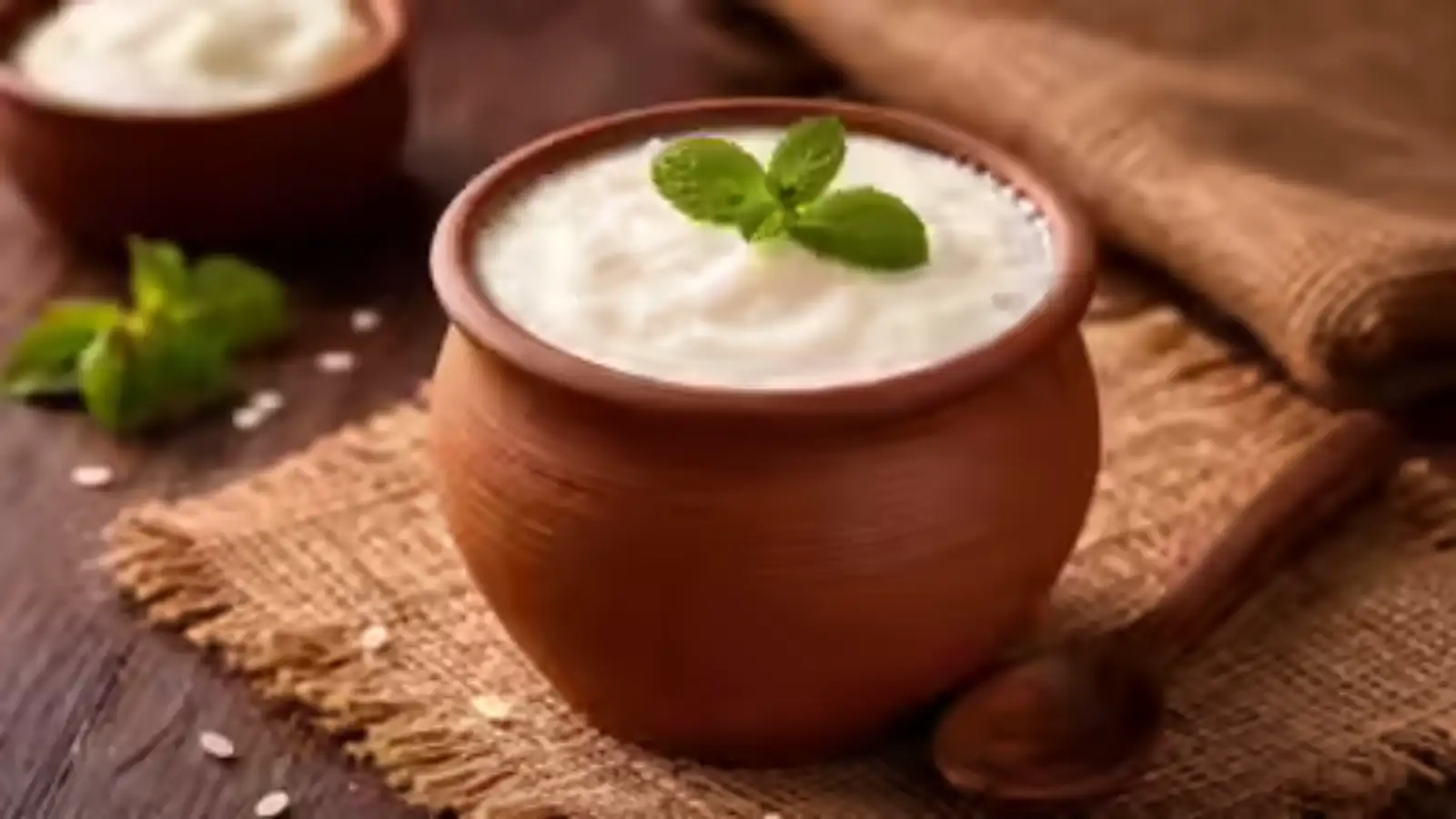
For years, Indian households have followed the tradition of ending meals with a bowl of curd or a glass of buttermilk. This habit is not just cultural but also has health benefits, as these dairy products are rich in probiotics that support a healthy digestive system.
Does Eating Curd During Monsoon Cause Cold?
The belief that eating curd during monsoon causes cold is a common misconception. According to health experts, a common cold is caused by viruses and not by consuming curd or other dairy products.
Fresh curd does not increase the risk of catching a cold. In fact, curd contains beneficial bacteria that help maintain a balanced gut microbiome, which plays an important role in digestion and immunity.
However, people who are sensitive to dairy products or consume very cold curd may sometimes experience throat discomfort. This temporary irritation is often misunderstood as a sign of cold, but it does not mean curd causes infections.
How Curd Supports Gut Health
Curd is a natural source of probiotics, which are good bacteria that help improve the balance of microorganisms in the gut. A healthy gut contributes to better digestion and helps the body process nutrients more effectively.
Including fresh curd in your daily diet may help manage common digestive concerns such as:
A well-functioning digestive system also supports overall energy levels and general health.
Curd And Immunity: How Gut Health Helps Your Body
Your gut plays a major role in maintaining your body's natural defence system. Experts explain that a large part of immune activity is connected to gut health.
Probiotic-rich foods like curd may support immunity by promoting a healthier gut environment. During monsoon, when seasonal infections are more common, maintaining good digestive health can help your body stay stronger.
Why Some People Avoid Curd During Rainy Season
Many people stop eating curd during monsoon because of the belief that it increases mucus or leads to throat problems. However, there is no scientific evidence that fresh curd directly causes cold or cough.
The concern usually comes from eating refrigerated curd straight from the fridge, which may feel uncomfortable for some individuals. People with sensitive throats may prefer consuming curd at room temperature instead.
When Can Curd Cause Discomfort?
While curd is safe for most healthy people, certain situations may cause discomfort:
Choosing fresh curd and consuming it in moderation can help prevent such problems.
Best Ways To Include Curd In Your Monsoon Diet
A bowl of fresh curd with lunch or a glass of light buttermilk can be a healthy addition to your daily meals. Buttermilk can also be enhanced with simple ingredients like coriander leaves, roasted cumin, or a pinch of black pepper for extra flavour.
Some easy ways to enjoy curd include:
These options provide probiotics along with essential nutrients like calcium and protein.
Final Verdict: Should You Stop Eating Curd During Monsoon?
The answer is no. Eating curd during monsoon does not cause cold. The idea that curd leads to seasonal infections is a myth without scientific backing. Fresh curd and buttermilk can actually support digestion, provide essential nutrients, and contribute to better gut health.
Unless you have a dairy intolerance or your doctor has advised you to avoid dairy products, there is no reason to remove fresh curd from your diet during the rainy season. A simple bowl of curd can continue to be a healthy part of your everyday meals.
For years, Indian households have followed the tradition of ending meals with a bowl of curd or a glass of buttermilk. This habit is not just cultural but also has health benefits, as these dairy products are rich in probiotics that support a healthy digestive system.
Does Eating Curd During Monsoon Cause Cold?
The belief that eating curd during monsoon causes cold is a common misconception. According to health experts, a common cold is caused by viruses and not by consuming curd or other dairy products.
Fresh curd does not increase the risk of catching a cold. In fact, curd contains beneficial bacteria that help maintain a balanced gut microbiome, which plays an important role in digestion and immunity.
However, people who are sensitive to dairy products or consume very cold curd may sometimes experience throat discomfort. This temporary irritation is often misunderstood as a sign of cold, but it does not mean curd causes infections.
How Curd Supports Gut Health
Curd is a natural source of probiotics, which are good bacteria that help improve the balance of microorganisms in the gut. A healthy gut contributes to better digestion and helps the body process nutrients more effectively.
Including fresh curd in your daily diet may help manage common digestive concerns such as:
- Bloating
- Gas
- Acidity
- Constipation
- Indigestion
A well-functioning digestive system also supports overall energy levels and general health.
Curd And Immunity: How Gut Health Helps Your Body
Your gut plays a major role in maintaining your body's natural defence system. Experts explain that a large part of immune activity is connected to gut health.
Probiotic-rich foods like curd may support immunity by promoting a healthier gut environment. During monsoon, when seasonal infections are more common, maintaining good digestive health can help your body stay stronger.
Why Some People Avoid Curd During Rainy Season
Many people stop eating curd during monsoon because of the belief that it increases mucus or leads to throat problems. However, there is no scientific evidence that fresh curd directly causes cold or cough.
The concern usually comes from eating refrigerated curd straight from the fridge, which may feel uncomfortable for some individuals. People with sensitive throats may prefer consuming curd at room temperature instead.
When Can Curd Cause Discomfort?
While curd is safe for most healthy people, certain situations may cause discomfort:
- Eating extremely cold curd may irritate the throat in sensitive individuals.
- Stale or improperly stored curd may cause digestive issues.
- People with lactose intolerance or dairy allergies may need to avoid or limit dairy products.
Choosing fresh curd and consuming it in moderation can help prevent such problems.
You may also like
- Delhi lawyer living in London says why she will never return to Indian corporate culture: 'I don't get any emails after work; I actually have time to pursue my hobbies'
- Kangana Ranaut Celebrates Friendship Day with Gen-Z Message Amid Controversy
- Why Pashupatinath Is One of Shiva's Most Powerful Forms
- On July 24, a passenger packed a power bank in an overhead bin; minutes later it caught fire on a China Eastern flight, prompting airlines to tighten battery rules
- Mind Game, an Indian short brings themes of mystery, suspense and social issues to the festival circuit
Best Ways To Include Curd In Your Monsoon Diet
A bowl of fresh curd with lunch or a glass of light buttermilk can be a healthy addition to your daily meals. Buttermilk can also be enhanced with simple ingredients like coriander leaves, roasted cumin, or a pinch of black pepper for extra flavour.
Some easy ways to enjoy curd include:
- Adding fresh curd to rice or meals
- Having homemade buttermilk after lunch
- Using curd as a base for healthy dips and raita
These options provide probiotics along with essential nutrients like calcium and protein.
Final Verdict: Should You Stop Eating Curd During Monsoon?
The answer is no. Eating curd during monsoon does not cause cold. The idea that curd leads to seasonal infections is a myth without scientific backing. Fresh curd and buttermilk can actually support digestion, provide essential nutrients, and contribute to better gut health.
Unless you have a dairy intolerance or your doctor has advised you to avoid dairy products, there is no reason to remove fresh curd from your diet during the rainy season. A simple bowl of curd can continue to be a healthy part of your everyday meals.






Loving Newspoint? Download the app now
