
Back to Basics: Why Traditional Skills Are Making a Modern Comeback

In an era defined by automated technology, same day delivery services, and artificial intelligence, life has never been more convenient. With a quick tap on a smartphone screen, we can order hot meals, buy mass-produced clothing, or hire someone to fix household problems. Yet, despite living surrounded by unprecedented digital efficiency, an increasing number of people are actively choosing to slow down and pick up age-old practical crafts.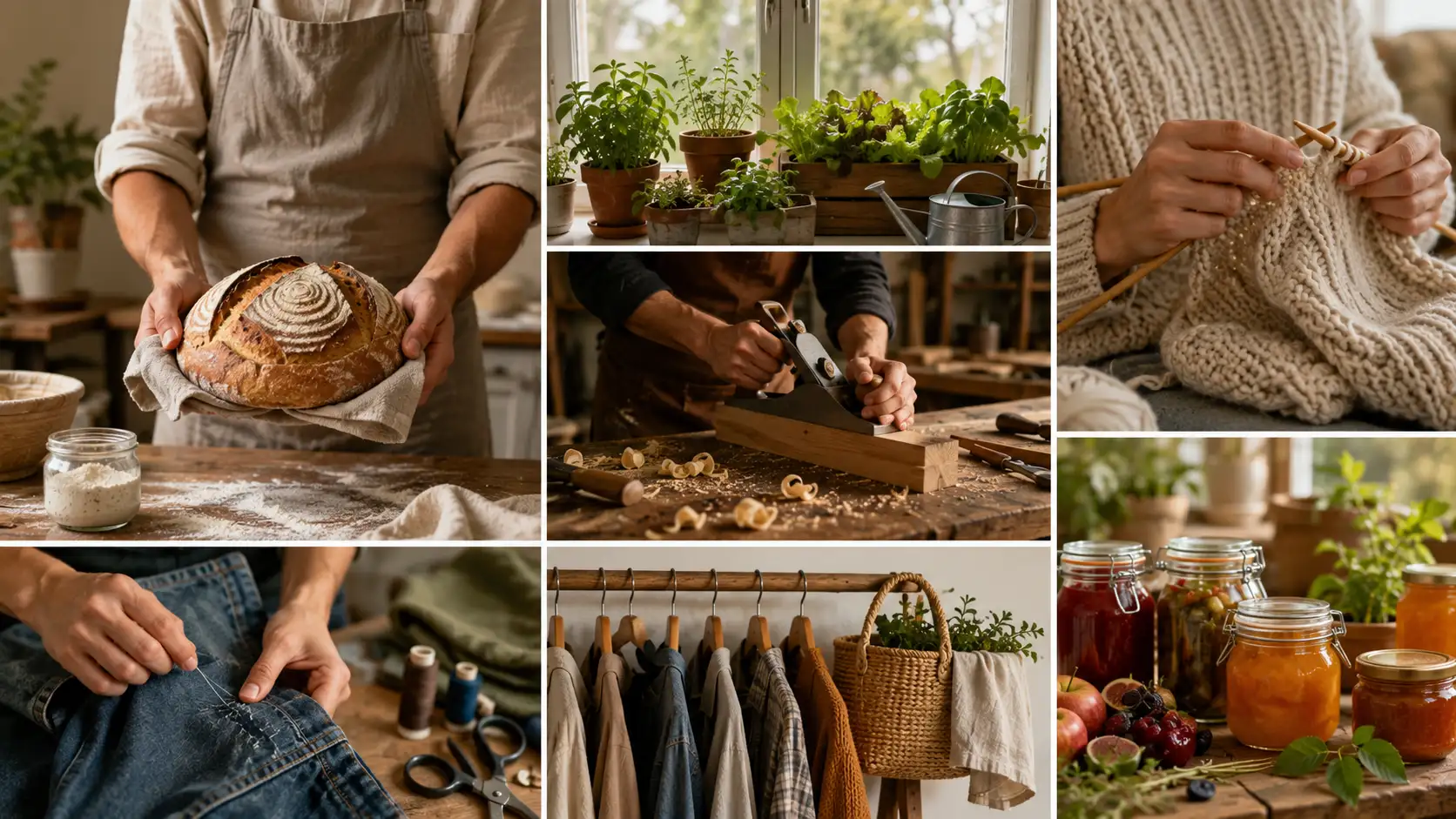
From sourdough baking and windowsill vegetable gardening to hand-knitting, woodworking, and mending worn clothes, traditional skills are experiencing a major revival. Far from being a mere trend or a refusal to accept technological progress, this shift reflects a deeper human desire for self-reliance , mental well-being, and authentic connection in a fast-paced world.
Learning a traditional skill bridges this gap. Turning flour and water into a fresh loaf of bread, shaping a piece of timber with hand tools, or knitting a warm woollen scarf provides immediate, satisfying proof of your effort. Working with your hands forces you to be fully present, creating a soothing, meditative focus that acts as an effective remedy for daily stress and mental overstimulation.
However, growing concern over environmental waste is encouraging people to reconsider their consumption choices. Traditional skills naturally support a sustainable, zero-waste lifestyle . Learning basic sewing, darning, or carpentry empowers individuals to repair and preserve their belongings rather than contributing to landfills. By learning to mend, repurpose, and make things from scratch, consumers reduce their environmental footprint while developing a healthier, more respectful relationship with their possessions.
Beyond saving money, acquiring these abilities builds profound personal confidence. Realising that you can feed your family, repair a broken household item, or create a useful tool gives you a comforting sense of control and independence in an unpredictable economic climate.
From sourdough baking and windowsill vegetable gardening to hand-knitting, woodworking, and mending worn clothes, traditional skills are experiencing a major revival. Far from being a mere trend or a refusal to accept technological progress, this shift reflects a deeper human desire for self-reliance , mental well-being, and authentic connection in a fast-paced world.
The Joy of Tangible Creation
One of the primary drivers behind this movement is a growing sense of screen fatigue. Millions of modern professionals spend their working hours looking at glowing displays, typing documents, or managing abstract digital tasks. At the end of the day, it can be difficult to feel a sense of tangible achievement when your work leaves behind no physical evidence.You may also like
Learning a traditional skill bridges this gap. Turning flour and water into a fresh loaf of bread, shaping a piece of timber with hand tools, or knitting a warm woollen scarf provides immediate, satisfying proof of your effort. Working with your hands forces you to be fully present, creating a soothing, meditative focus that acts as an effective remedy for daily stress and mental overstimulation.
Sustainability and Environmental Awareness
Modern consumer culture relies heavily on a throwaway mindset. When a cheap garment develops a small tear or a piece of flat-pack furniture suffers minor damage, the default response is often to toss it out and purchase a brand-new replacement.However, growing concern over environmental waste is encouraging people to reconsider their consumption choices. Traditional skills naturally support a sustainable, zero-waste lifestyle . Learning basic sewing, darning, or carpentry empowers individuals to repair and preserve their belongings rather than contributing to landfills. By learning to mend, repurpose, and make things from scratch, consumers reduce their environmental footprint while developing a healthier, more respectful relationship with their possessions.
Financial Resilience and Self-Reliance
Economic pressures and rising living costs have also accelerated the popularity of practical home skills. Knowing how to grow basic herbs and salad leaves, preserve seasonal fruit, or cook wholesome meals from basic pantry staples helps stretch household budgets further.Beyond saving money, acquiring these abilities builds profound personal confidence. Realising that you can feed your family, repair a broken household item, or create a useful tool gives you a comforting sense of control and independence in an unpredictable economic climate.
Preserving Culture for Modern Well-Being
Ultimately, learning traditional skills is not about abandoning modern comforts or striving for absolute off-grid survivalism. Instead, it is about blending the best of both worlds. By incorporating practical, hands-on traditions into contemporary routines, we gain a satisfying break from screens, cut unnecessary household waste, and rediscover the timeless pleasure of creating things for ourselves.





Loving Newspoint? Download the app now
