
Do You Know? An Espresso Has Less Caffeine Than A Cup Of Coffee

For many coffee lovers , espresso is seen as the ultimate caffeine kick. Its bold flavour, rich aroma, and concentrated form make it seem far stronger than a regular cup of coffee. But here’s a surprising fact: a single shot of espresso actually contains less caffeine than a standard cup of brewed coffee.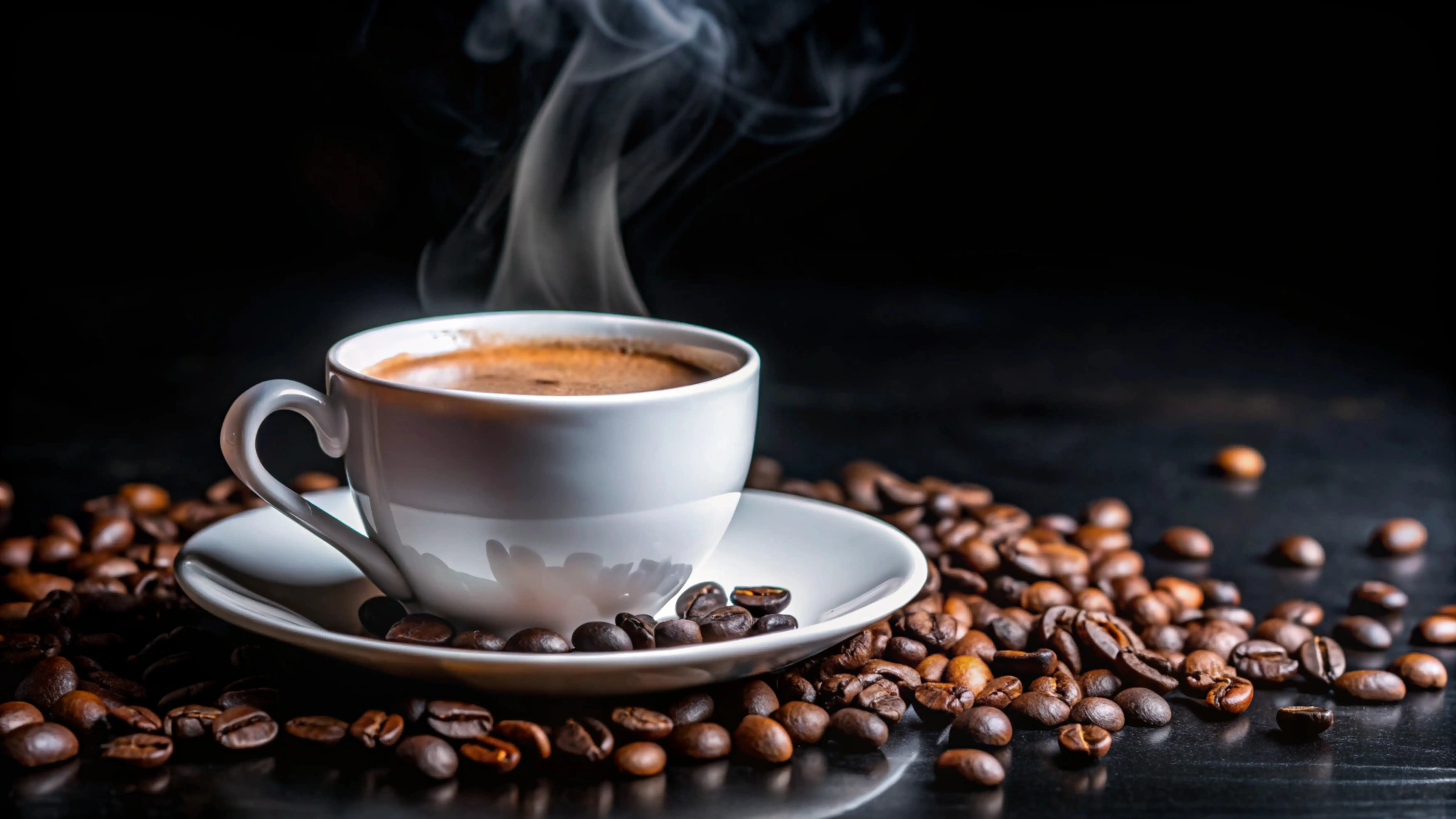
Yes, the tiny espresso shot may taste intense, but when it comes to total caffeine content, your everyday coffee mug often wins.
Because it is served in small amounts, usually around 30 ml, the flavour feels much stronger than drip coffee or instant coffee. However, stronger taste does not always mean more caffeine.
Also Read: Is Early Morning Coffee Good for Health or Just a Habit?
The main reason is quantity. People usually drink a much larger serving of coffee compared to espresso. While espresso has more caffeine per millilitre, brewed coffee delivers more caffeine overall because the serving size is bigger.
This is why many experts say the real comparison in the espresso vs coffee debate depends on portion size rather than strength of flavour.
French press, filter coffee, and drip coffee often stay in contact with water for several minutes. This longer brewing time increases the caffeine in coffee , making it stronger in terms of total caffeine content.
Your choice depends on your lifestyle and caffeine preference. If you enjoy quick coffee breaks, espresso may be ideal. If you prefer sipping a warm drink while working or relaxing, brewed coffee could suit you better.
Also Read: World’s Most Expensive Coffee Costs ₹4,700 a Cup and Comes from Elephant Poop
Understanding caffeine comparison facts can help coffee lovers choose the right drink for their daily routine without falling for common coffee myths.
Yes, the tiny espresso shot may taste intense, but when it comes to total caffeine content, your everyday coffee mug often wins.
Why Espresso Tastes Stronger
One reason people believe espresso contains more caffeine is because of its powerful taste. Espresso is brewed using high pressure and finely ground coffee beans, creating a concentrated drink with a rich and slightly bitter flavour.Because it is served in small amounts, usually around 30 ml, the flavour feels much stronger than drip coffee or instant coffee. However, stronger taste does not always mean more caffeine.
Also Read: Is Early Morning Coffee Good for Health or Just a Habit?
You may also like
- Simplified changes in EPFO 3.0: Claims to be cleared instantly via UPI, ATM, and WhatsApp..
- Bollywood's Akshay Kumar and Saif Ali Khan Reunite in 'Haiwaan' Set for September Release
- Why Body Neutrality May Be More Helpful Than Body Positivity
- Psychology says celebrating your partner's small wins strengthens relationships: A landmark study found enthusiastic responses were linked to greater relationship satisfaction
- Psychology says intelligence isn't fixed: A national study found a brief growth mindset lesson improved grades among struggling students
Espresso Vs Coffee : The Real Caffeine Difference
A single shot of espresso generally contains around 60 to 80 mg of caffeine. On the other hand, a regular cup of brewed coffee can contain anywhere between 95 and 150 mg of caffeine depending on the brewing method and cup size.The main reason is quantity. People usually drink a much larger serving of coffee compared to espresso. While espresso has more caffeine per millilitre, brewed coffee delivers more caffeine overall because the serving size is bigger.
This is why many experts say the real comparison in the espresso vs coffee debate depends on portion size rather than strength of flavour.
Brewing Method Makes A Difference
The brewing process also affects caffeine levels. Espresso is prepared quickly under pressure, usually in less than 30 seconds. Brewed coffee takes longer, allowing more caffeine to be extracted from the coffee grounds.French press, filter coffee, and drip coffee often stay in contact with water for several minutes. This longer brewing time increases the caffeine in coffee , making it stronger in terms of total caffeine content.
Which One Is Better For Energy?
Both espresso and brewed coffee can boost alertness and energy. Espresso gives a quick and intense burst because it is consumed rapidly in a concentrated form. Brewed coffee offers a slower caffeine intake over a longer period, especially when sipped gradually.Your choice depends on your lifestyle and caffeine preference. If you enjoy quick coffee breaks, espresso may be ideal. If you prefer sipping a warm drink while working or relaxing, brewed coffee could suit you better.
Also Read: World’s Most Expensive Coffee Costs ₹4,700 a Cup and Comes from Elephant Poop
The Bottom Line
The next time someone says espresso is packed with more caffeine, you can surprise them with the truth. While espresso tastes stronger and contains more caffeine per sip, a full cup of coffee usually contains more caffeine overall.Understanding caffeine comparison facts can help coffee lovers choose the right drink for their daily routine without falling for common coffee myths.






More from our partners


Loving Newspoint? Download the app now
