
Monsoon Hydration Guide: Why Drinking Enough Water Matters During Rainy Season

When the monsoon arrives, many people naturally reduce their water intake. Cooler temperatures, cloudy skies and frequent rainfall can make thirst less noticeable compared with the intense heat of summer. However, the body continues to lose fluids through sweating, breathing and daily activities even during rainy weather. The connection between monsoon and health is often discussed in terms of infections and food safety, but hydration is an equally important factor. Maintaining proper fluid balance supports digestion, energy levels, immunity and overall wellbeing. Understanding the body’s hydration needs during monsoon can help prevent fatigue and several common health issues.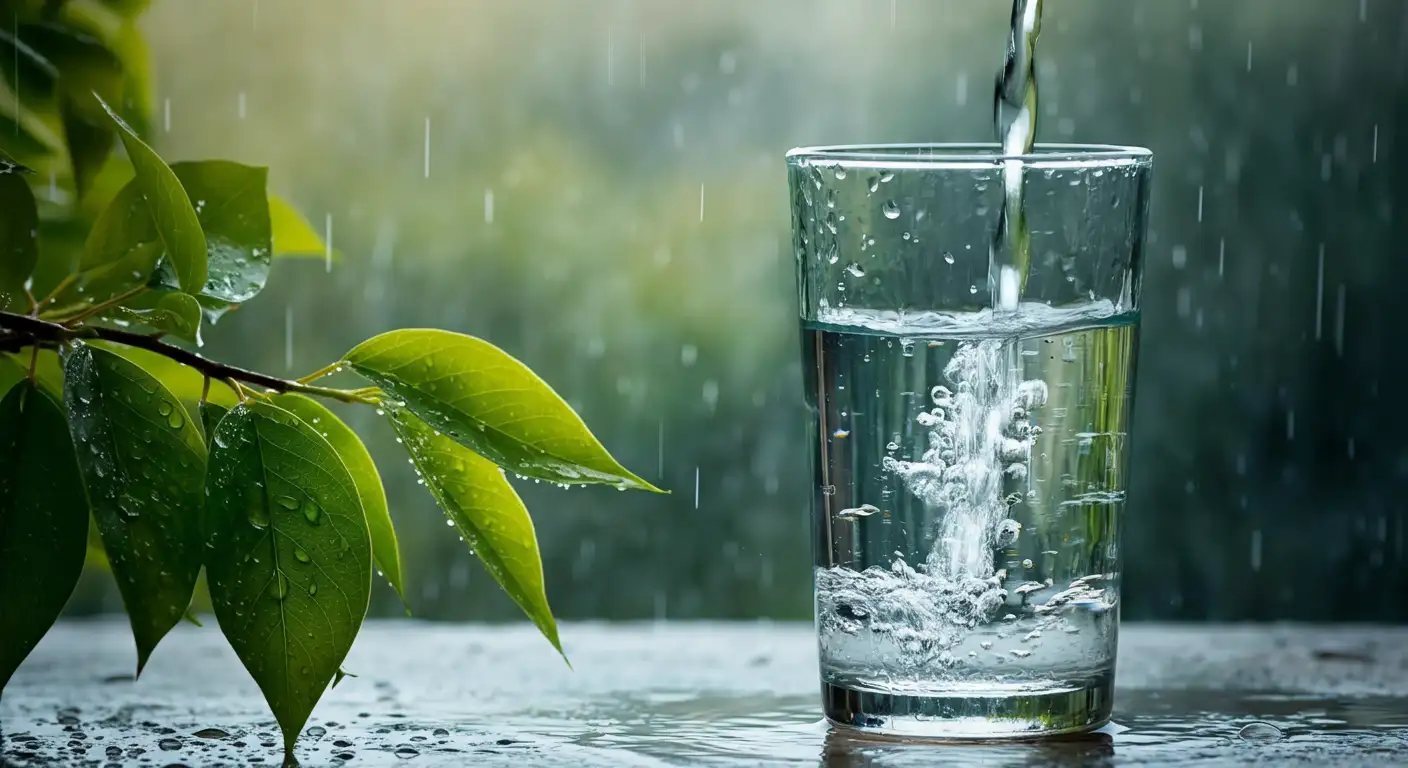
During monsoon, people may not feel thirsty because the weather is cooler and sweating is less obvious. However, humidity can still cause fluid loss because the body continues to regulate temperature through perspiration.
Even mild dehydration can affect concentration, energy and physical performance. Many people mistake tiredness, headaches or low energy during rainy days for normal seasonal changes when dehydration may also be contributing.
People who travel, exercise outdoors or work in warm environments may need more fluids than they realise.
Children and older adults require special attention because their bodies may not always signal thirst effectively. Encouraging regular water intake is an important part of monsoon health care.
Fruits such as oranges, pears, apples and pomegranates provide water along with essential vitamins and minerals. Soups, fresh juices and lightly prepared meals can also support hydration.
Coconut water has traditionally been valued as a natural drink because it contains electrolytes such as potassium. These minerals help maintain fluid balance in the body.
However, hygiene remains important during monsoon. Fresh drinks should be prepared safely because contaminated water or ingredients can increase the risk of infections.
Another mistake is relying only on thirst as a reminder to drink water. By the time thirst appears, the body may already need fluids.
Keeping a water bottle nearby and developing regular drinking habits can make hydration easier.
Water helps maintain healthy circulation, allowing nutrients and immune cells to move effectively throughout the body. Proper hydration also supports the normal functioning of mucous membranes, which act as barriers against harmful microorganisms.
As climate patterns become less predictable, maintaining hydration habits throughout different seasons is becoming increasingly important.
Why Hydration Remains Important During Monsoon
The human body requires water throughout the year to perform essential functions. Water helps regulate body temperature, transport nutrients, remove waste and support healthy organs.During monsoon, people may not feel thirsty because the weather is cooler and sweating is less obvious. However, humidity can still cause fluid loss because the body continues to regulate temperature through perspiration.
Even mild dehydration can affect concentration, energy and physical performance. Many people mistake tiredness, headaches or low energy during rainy days for normal seasonal changes when dehydration may also be contributing.
How Monsoon Weather Changes Fluid Requirements
Humidity plays an important role in hydration. When the air contains high moisture levels, sweat does not evaporate as efficiently from the skin. As a result, the body may continue sweating even when people do not notice it.People who travel, exercise outdoors or work in warm environments may need more fluids than they realise.
Children and older adults require special attention because their bodies may not always signal thirst effectively. Encouraging regular water intake is an important part of monsoon health care.
Best Hydrating Foods During Rainy Season
Hydration does not come only from drinking water. Many foods contribute to daily fluid intake.Fruits such as oranges, pears, apples and pomegranates provide water along with essential vitamins and minerals. Soups, fresh juices and lightly prepared meals can also support hydration.
You may also like
- Roman's £32 dress that 'will not crease in suitcase' has clever 'shaping' feature
- Quote of the day for children by James Cameron: "If you set your goals ridiculously high and it's a failure, you will fail above..."
- Marc Jacobs walks into his own store, and the staff has no idea they are serving the boss
- Wisdom from Confucius: Embracing Change and Simplicity
- Preparing for Postpartum Recovery Before Birth: A Third Trimester Guide
Coconut water has traditionally been valued as a natural drink because it contains electrolytes such as potassium. These minerals help maintain fluid balance in the body.
However, hygiene remains important during monsoon. Fresh drinks should be prepared safely because contaminated water or ingredients can increase the risk of infections.
Common Hydration Mistakes During Monsoon
One common mistake is replacing water with too many cups of tea or coffee. Warm beverages may feel comforting during rainy weather, but excessive caffeine intake may affect hydration balance.Another mistake is relying only on thirst as a reminder to drink water. By the time thirst appears, the body may already need fluids.
Keeping a water bottle nearby and developing regular drinking habits can make hydration easier.
The Link Between Hydration and Immunity
A lesser-known connection between hydration and monsoon health is its role in supporting the body’s natural defence system.Water helps maintain healthy circulation, allowing nutrients and immune cells to move effectively throughout the body. Proper hydration also supports the normal functioning of mucous membranes, which act as barriers against harmful microorganisms.
Why Monsoon Hydration Matters Today
Modern lifestyles have increased the risk of dehydration. Long hours indoors with air conditioning, irregular meal patterns and busy work schedules can cause people to ignore basic health needs.As climate patterns become less predictable, maintaining hydration habits throughout different seasons is becoming increasingly important.






More from our partners


Loving Newspoint? Download the app now
