
How to Stay Healthy in Indian Summer: Essential Care Tips for Hot Weather

Every year, Indian summers arrive with rising temperatures, intense sunlight, and a growing need to rethink everyday routines. The heat does more than cause discomfort; it can affect energy levels, digestion, sleep patterns, and overall well-being. For generations, Indian households have followed simple summer care practices that combine traditional knowledge with practical lifestyle habits. From adjusting meal timings to choosing breathable clothing and staying properly hydrated, these small changes can make a major difference. As heatwaves become more frequent across many regions, understanding effective Indian summer care has become essential for maintaining health and comfort.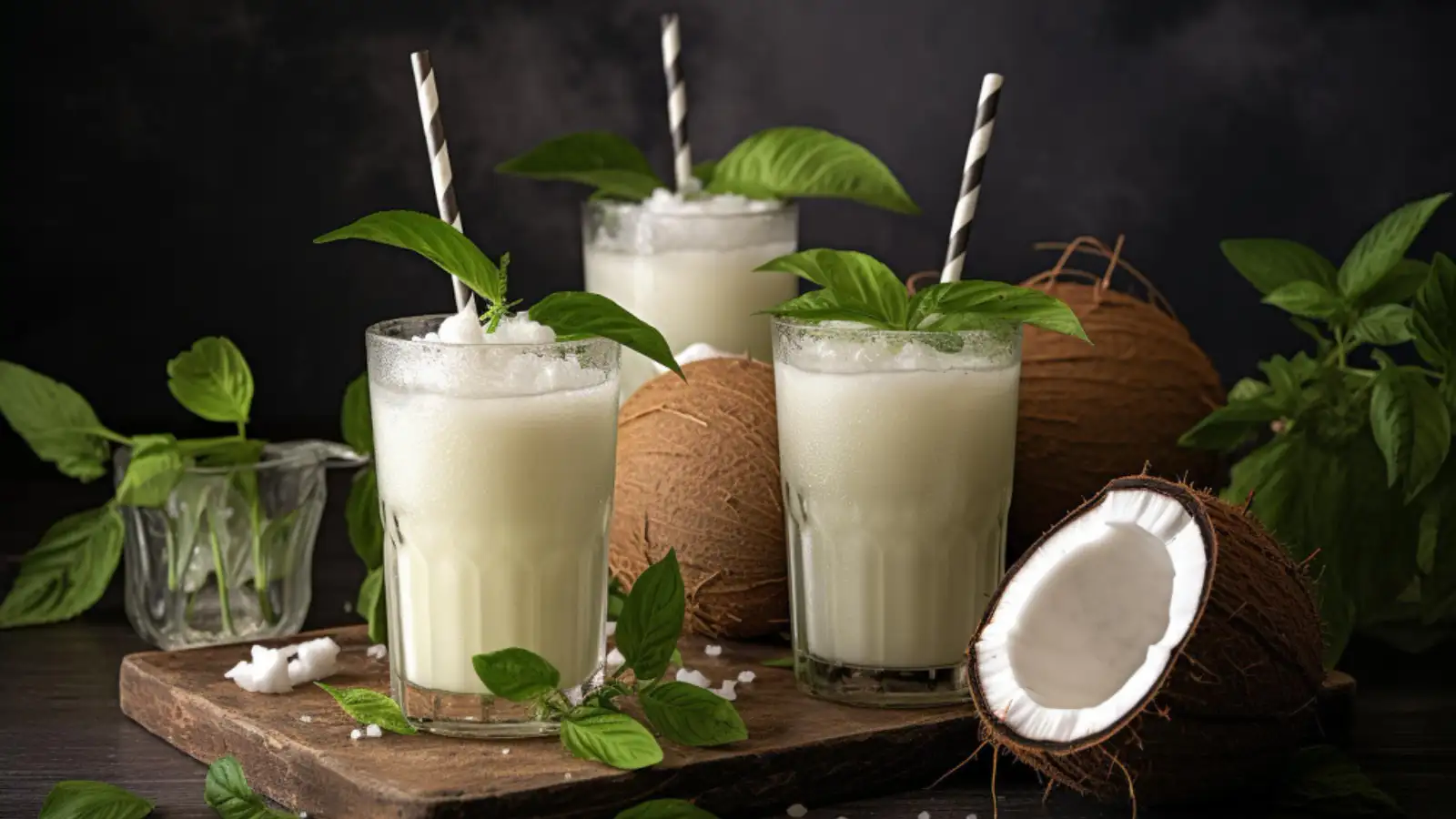
During hot months, the body loses not only water but also essential minerals such as sodium and potassium. This is why simply drinking water may not always be enough after prolonged exposure to heat. Traditional Indian summer care practices often focus on restoring hydration through natural sources like lemon water, coconut water, buttermilk, and fruit-based drinks.
In rural communities, people have long adapted their daily schedules around the weather, completing physically demanding tasks during cooler hours of the morning or evening.
Keeping a water bottle nearby, consuming water-rich foods, and including natural drinks in the diet can help maintain fluid levels throughout the day. Traditional beverages such as sattu sharbat, jaljeera, and aam panna have remained popular because they combine hydration with minerals and digestive benefits.
An interesting fact is that sattu, a roasted gram flour drink popular in states like Bihar and Uttar Pradesh, has been used for centuries as an affordable summer energy source. It provides protein, fibre, and a feeling of fullness while helping people stay refreshed.
Sleep routines may also need adjustment during extreme heat. A cooler sleeping environment, lighter bedding, and avoiding heavy meals late at night can support better rest.
Many traditional Indian homes were designed with summer comfort in mind. Features such as courtyards, ventilated windows, and shaded areas helped maintain cooler indoor temperatures before modern cooling technology became common.
Children, older adults, and outdoor workers are especially vulnerable during severe summer conditions. Following proper Indian summer care routines can reduce health risks and improve daily productivity.
Modern science increasingly supports many traditional practices, particularly the focus on hydration, seasonal foods, and avoiding unnecessary heat exposure.
Traditional practices combined with modern awareness offer a balanced approach to managing hot weather. Whether it is enjoying a cooling drink, planning outdoor activities wisely, or choosing seasonal foods, everyday decisions can help the body handle rising temperatures better.
Understanding the Impact of Indian Summer on the Body
The Indian summer can be particularly challenging because many parts of the country experience high temperatures along with dry winds or intense humidity. The body naturally tries to cool itself through sweating, but excessive heat can lead to dehydration, tiredness, headaches, and heat-related illnesses.During hot months, the body loses not only water but also essential minerals such as sodium and potassium. This is why simply drinking water may not always be enough after prolonged exposure to heat. Traditional Indian summer care practices often focus on restoring hydration through natural sources like lemon water, coconut water, buttermilk, and fruit-based drinks.
In rural communities, people have long adapted their daily schedules around the weather, completing physically demanding tasks during cooler hours of the morning or evening.
The Importance of Smart Hydration Habits
Hydration is one of the most important parts of Indian summer care. Many people wait until they feel thirsty before drinking water, but thirst is often a sign that the body has already started losing fluids.Keeping a water bottle nearby, consuming water-rich foods, and including natural drinks in the diet can help maintain fluid levels throughout the day. Traditional beverages such as sattu sharbat, jaljeera, and aam panna have remained popular because they combine hydration with minerals and digestive benefits.
An interesting fact is that sattu, a roasted gram flour drink popular in states like Bihar and Uttar Pradesh, has been used for centuries as an affordable summer energy source. It provides protein, fibre, and a feeling of fullness while helping people stay refreshed.
Protecting Health Through Daily Summer Routines
Indian summer care is not limited to food and drinks. Daily habits also play a significant role in managing heat. Wearing light-coloured cotton clothes, avoiding unnecessary outdoor activity during peak afternoon hours, and protecting the skin from direct sunlight are simple but effective measures.Sleep routines may also need adjustment during extreme heat. A cooler sleeping environment, lighter bedding, and avoiding heavy meals late at night can support better rest.
You may also like
- Psychology says that individuals who travel with family tend to exhibit higher emotional resilience, stronger social bonding, and better overall well-being
- SSY Update: New interest rate for Sukanya Samriddhi Yojana announced..
- Inside Emraan Hashmi's Elegant Pali Hill Residence and Impressive Property Portfolio
- Trouble mounts for PF account holders! Users will not be able to withdraw money from their PF accounts until this date..
- 8th Pay Commission: Here are 5 major updates regarding the 8th Pay Commission for central government employees..
Many traditional Indian homes were designed with summer comfort in mind. Features such as courtyards, ventilated windows, and shaded areas helped maintain cooler indoor temperatures before modern cooling technology became common.
Why Indian Summer Care Matters Today
Climate change has made heat management a growing concern worldwide, and India is experiencing longer and more intense periods of extreme heat. This has increased the importance of simple preventive measures that can be followed by people of all age groups.Children, older adults, and outdoor workers are especially vulnerable during severe summer conditions. Following proper Indian summer care routines can reduce health risks and improve daily productivity.
Modern science increasingly supports many traditional practices, particularly the focus on hydration, seasonal foods, and avoiding unnecessary heat exposure.
Building Healthier Summer Habits
Preparing for summer does not require expensive solutions. Small changes, such as starting the day with adequate hydration, choosing lighter meals, and listening to the body’s signals, can create long-term benefits.Traditional practices combined with modern awareness offer a balanced approach to managing hot weather. Whether it is enjoying a cooling drink, planning outdoor activities wisely, or choosing seasonal foods, everyday decisions can help the body handle rising temperatures better.






More from our partners


Loving Newspoint? Download the app now
