
How to Keep Your Feet Dry and Healthy Through the Monsoon

Feet take the worst of the monsoon and get the least attention. The combination of trapped moisture, warm temperatures, and skin softened by repeated wetting creates exactly the conditions that fungi and bacteria prefer. Most foot problems in the rainy season are not unlucky, they follow directly from a handful of skipped habits.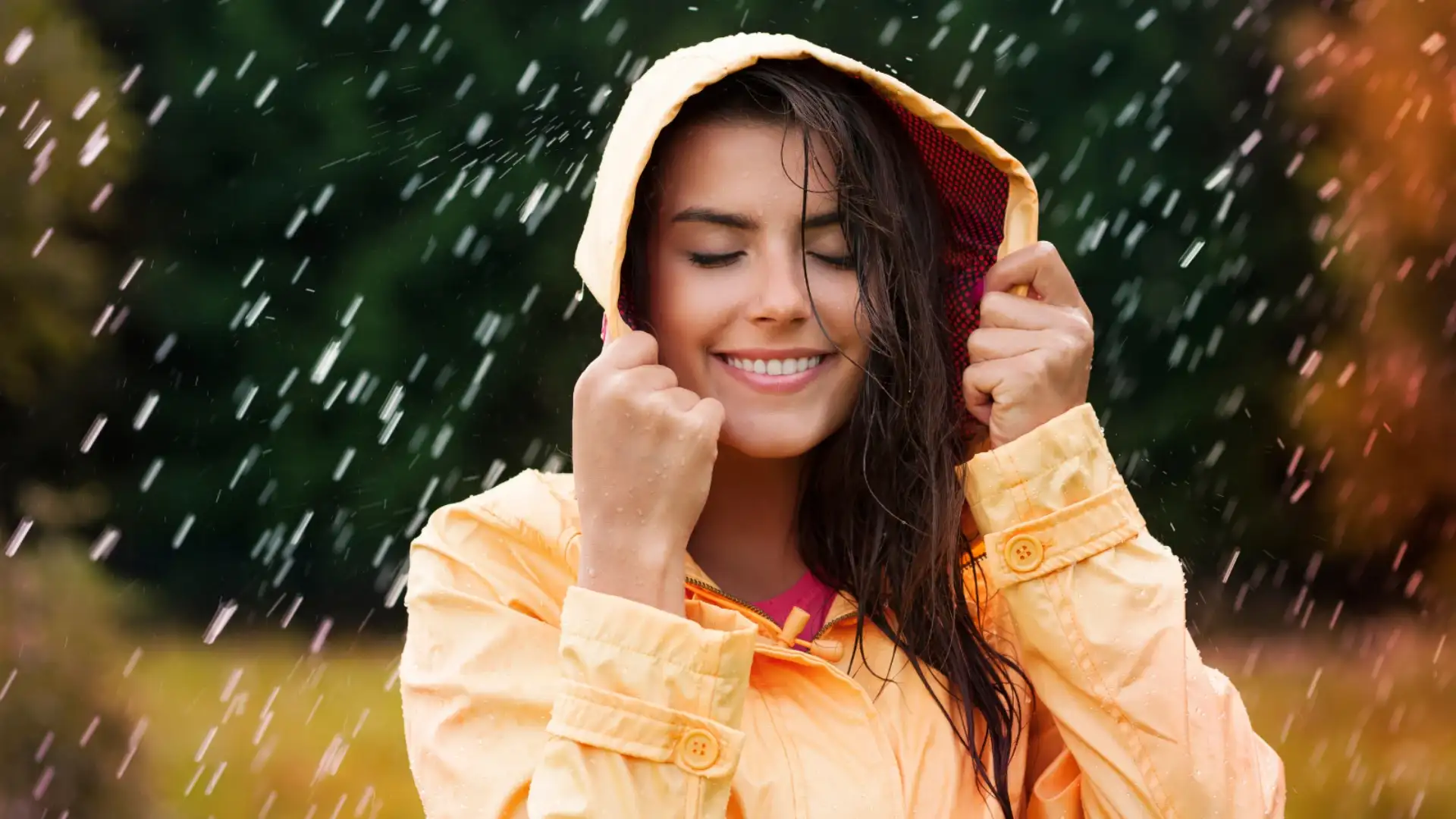
Feet are easy to ignore until something goes wrong. The habits above require no products beyond what most households already have, a dry cloth, newspaper, coconut oil, a spare pair of socks. The monsoon creates the conditions for foot problems; these habits remove them one by one.
Dry Completely, Every Time
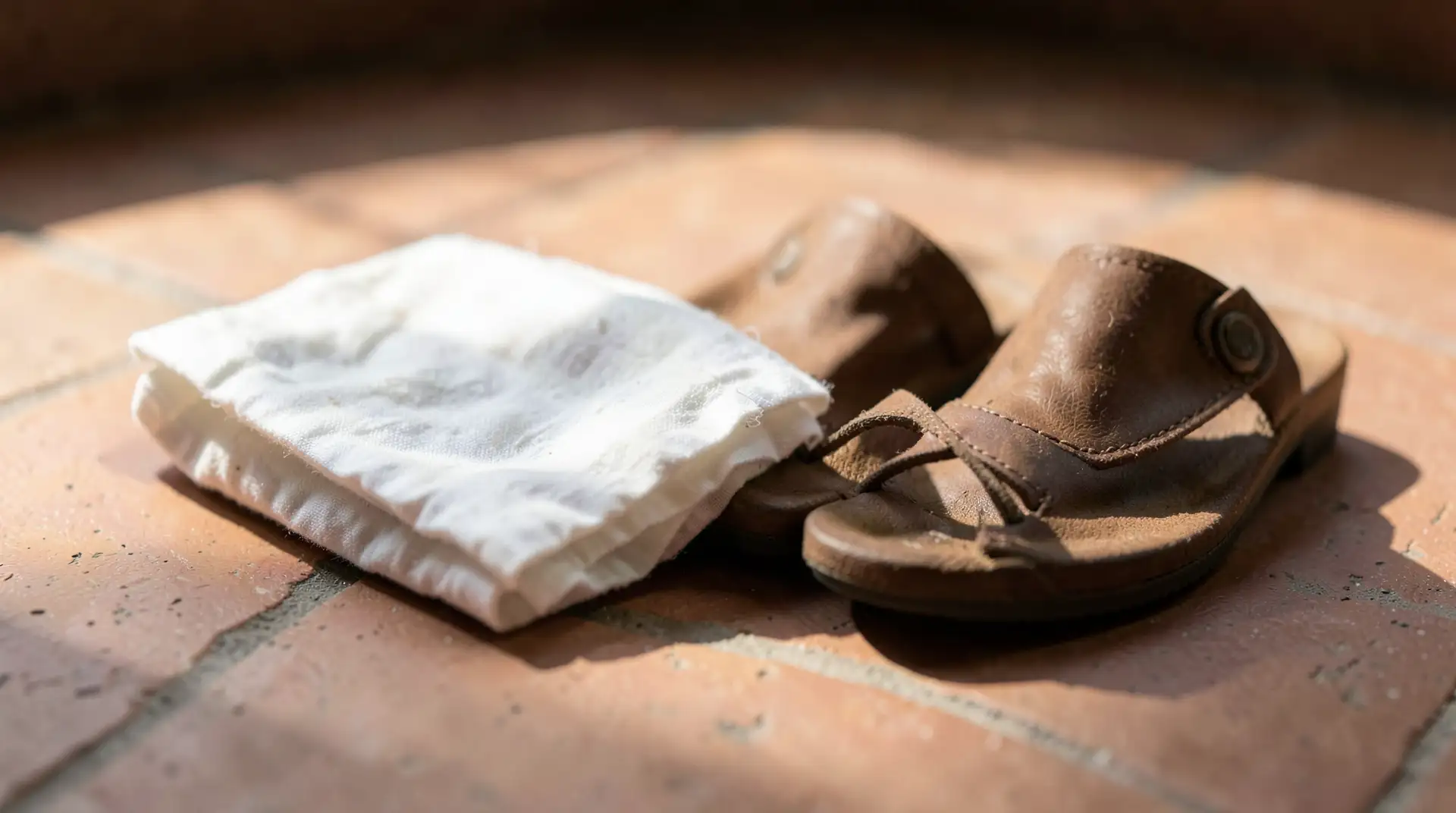
The gap between the toes is where trouble starts. Skin there stays damp long after the rest of the foot feels dry, and softened, moist skin breaks down faster and gives fungi an entry point. After washing or after coming in from rain, use a dry cotton cloth or an old dupatta to press, not rub, between each toe individually. Rubbing irritates already-softened skin. Pressing absorbs moisture without friction. This one step, done every time, removes the single biggest driver of monsoon foot problems.Give Wet Footwear Time to Dry
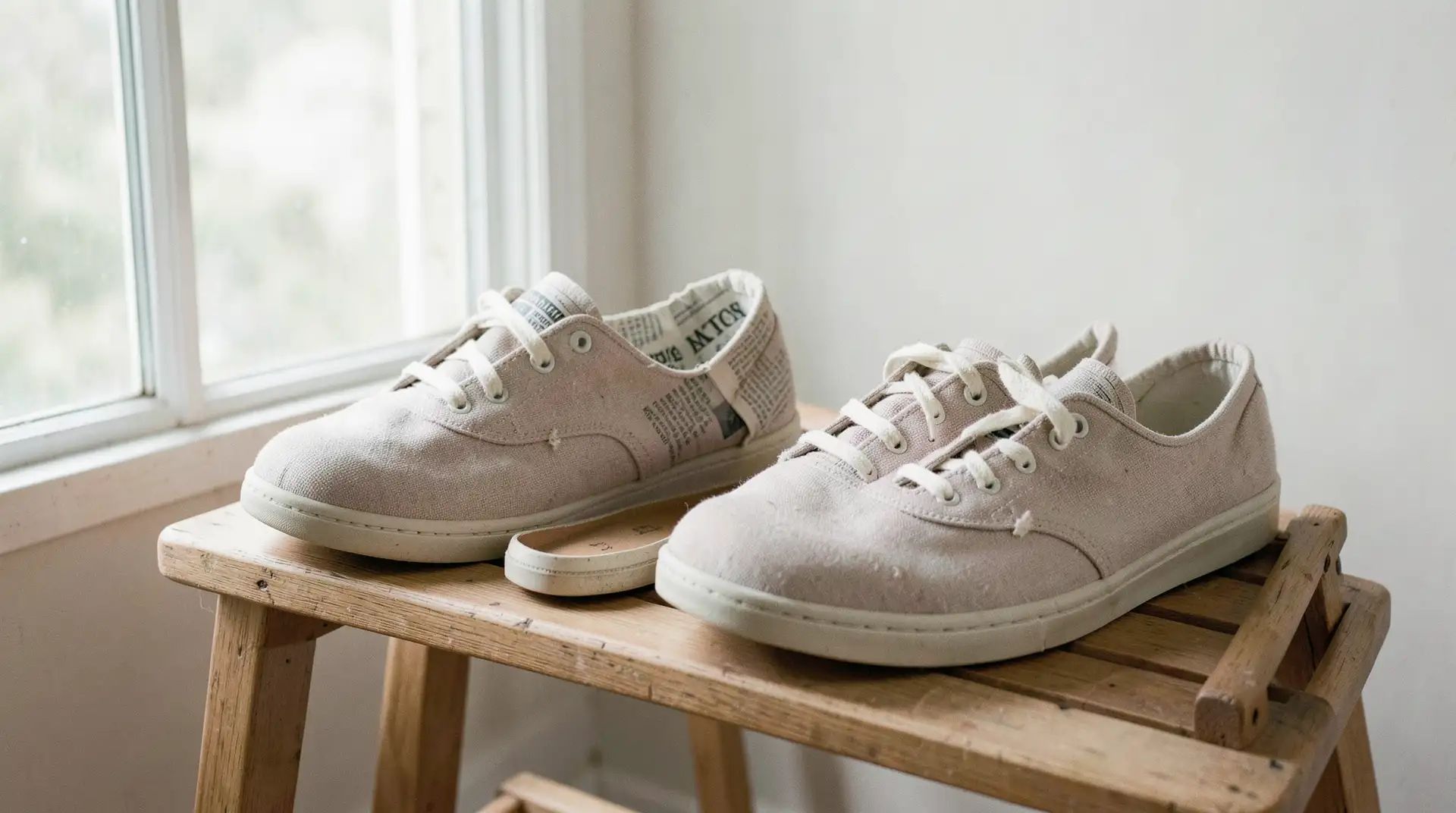
Putting on yesterday's damp shoes is one of the most common mistakes made in the rainy season. Leather and synthetic uppers hold moisture for hours, and a foot sealed inside a damp shoe stays wet for the entire day. Rotate between two pairs if possible, and stuff newspaper into wet shoes overnight, the paper draws moisture out of the interior faster than open-air drying alone. Canvas and fabric shoes dry better when the insoles are removed and set flat. Sandals with open straps are the practical choice for commutes where puddle-wading is unavoidable; they dry in minutes and leave no enclosed space for moisture to linger.You may also like
- Cholesterol Shot: Oxford Trial Shows Twice-Yearly Reduces Heart Risks
- Psychology says children who are praised for being intelligent rather than hardworking may develop a surprising fear of failure
- What is the global trend of Red Light therapy? Does it actually remove fine lines and blemishes?
- Alcohol and Tobacco: Why the Mouth Bears the Highest Combined Risk
- After Hours: How tech leaders are redefining luxury evening dressing
Protect the Skin Before It Breaks
The skin on the sole and heel thickens as a defence, but repeated soaking and drying cycles strip its natural oils and leave it prone to cracking. A light application of coconut oil or pure glycerine rubbed into the heels and soles before sleep takes less than a minute and replaces what repeated wetting removes. The skin does not need to be visibly cracked for this to matter, prevention is easier than repair. Avoid applying oil between the toes, where it traps moisture rather than protecting against it.Choose Socks That Do Not Hold Water
Cotton socks absorb sweat and rain and then hold it against the skin. In dry weather this is manageable; in the monsoon it turns a short commute into hours of damp contact. Wool or synthetic-blend socks, the kind sold for trekking, wick moisture away from the skin and dry significantly faster. They are available at most sporting goods shops and last for years. Carrying a spare pair in a bag costs nothing and makes a real difference on a day when the rain arrives unexpectedly.Watch for the Early Signs
Fungal infections on the foot typically begin between the toes: a patch of skin that looks white or waterlogged, itches persistently, or starts to peel at the edges. The same organism that causes athlete's foot thrives in exactly the warm, damp conditions that monsoon footwear creates. At the first sign, keep the area as dry as possible and avoid sharing towels or footwear with others in the household. A dermatologist can confirm whether the cause is fungal and recommend an appropriate treatment; do not delay if the area spreads, cracks deeply, or becomes painful. Self-treating a misidentified condition can make it worse.Feet are easy to ignore until something goes wrong. The habits above require no products beyond what most households already have, a dry cloth, newspaper, coconut oil, a spare pair of socks. The monsoon creates the conditions for foot problems; these habits remove them one by one.






Loving Newspoint? Download the app now
