
The Need for Control: What a Child's Obsession with Elevator Buttons Really Means

Almost every parent has experienced the intense determination of a young child demanding to press the elevator button. Missing this opportunity or having an adult press it for them can sometimes trigger an immediate meltdown. While adults view pressing a button as a trivial, mechanical task, child psychologists emphasize that for a developing toddler, this small gesture represents a major psychological milestone in autonomy, mastery, and environmental agency.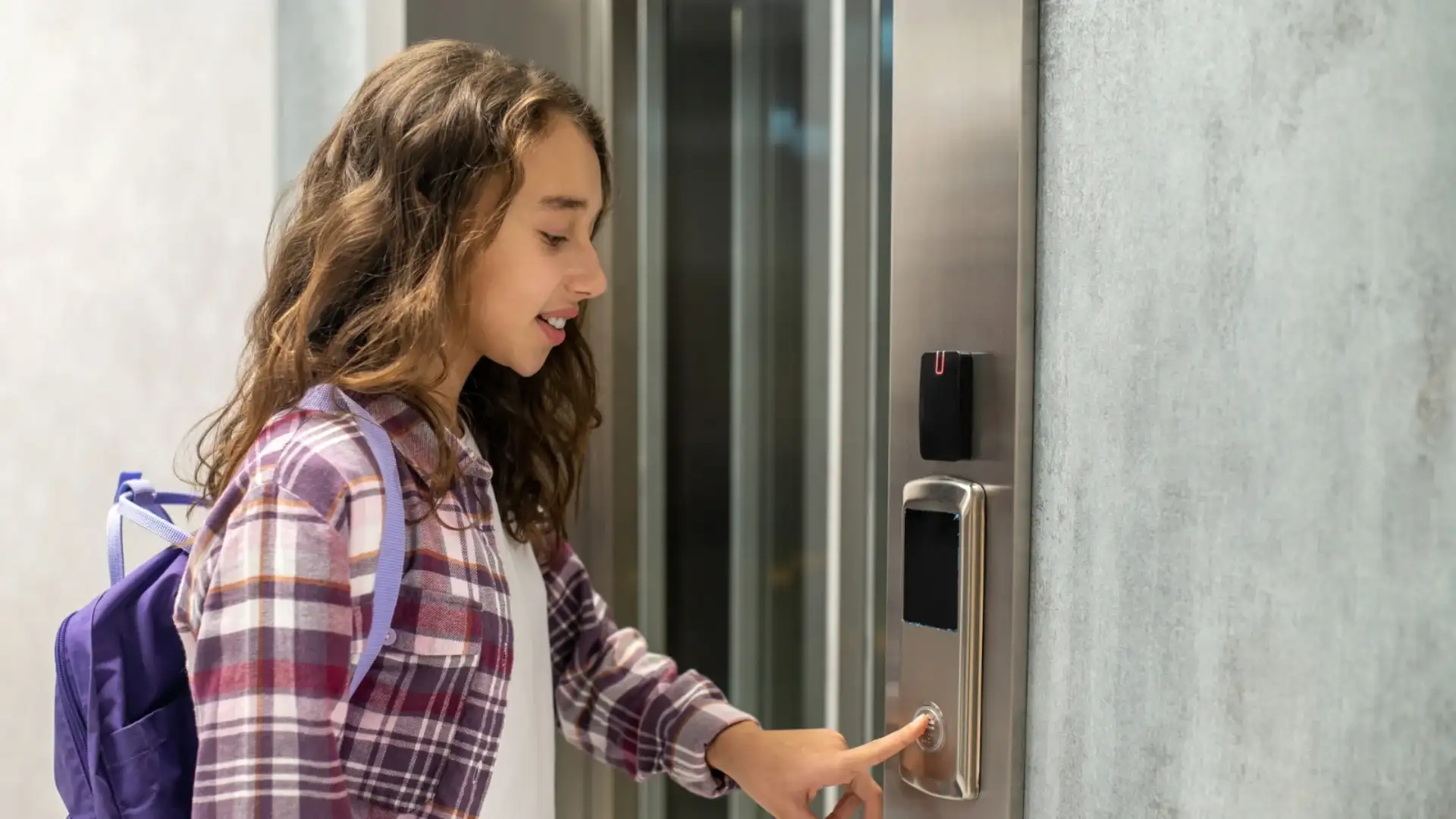
Recognizing that simple daily habits are stepping stones toward self-reliance enables parents to respond with patience, turning minor routines into meaningful opportunities for childhood growth.
1. The Search for Agency in an Adult-Regulated World
From waking up and eating to dressing and leaving the house, a young child's day is overwhelmingly directed by adults. Pressing the lift button offers one of the few opportunities where a child experiences direct control over their environment. Pushing the illuminated button yields an immediate, tangible result: the light turns on, doors open, and a massive machine moves giving the child an empowering sense of personal agency.2. Mastering Cause-and-Effect Relationships
Developmentally, toddlers are constantly testing cause-and-effect dynamics to understand how the physical world operates. Actions like flipping light switches, opening drawers, or pushing glowing buttons provide instant feedback. This physical interaction reinforces spatial cognitive skills, fine motor coordination, and an understanding that their personal actions yield immediate, predictable outcomes.You may also like
- Unlocking the Skincare Benefits of Banana Peels
- Nisha Jamvwal on the Jeffrey Archer she knew: He really celebrated me and my family
- Market jitters follow RBI rate hike, but a rally returns—should you invest fresh capital now or wait?
- 'Dubai ka civic sense, Delhi people can learn': Indian man in Dubai highlights how simple traffic discipline keeps intersections moving smoothly
- Eczema in Indian Weather: How Humidity and Winter Affect Your Skin
3. Building Self-Efficacy and Task Responsibility
When parents allow a child to take charge of small, safe tasks like pressing the lift button, turning on a tap, or carrying a light bag, it builds self-efficacy. Believing 'I can do this myself' fosters internal confidence, reducing anxiety and resistance during other daily transitions. Conversely, rushing or taking over the task can inadvertently signal to the child that their competence is being dismissed.4. Practical Ways Parents Can Support Autonomy
Rather than viewing these moments as inconvenient delays, parents can leverage them to nurture healthy independence. If pressing the lift button is not possible due to safety or crowd constraints, offering alternative micro-choices such as picking between two shirts or deciding which shoe to put on first satisfies the child's natural psychological need for control without causing friction.Recognizing that simple daily habits are stepping stones toward self-reliance enables parents to respond with patience, turning minor routines into meaningful opportunities for childhood growth.






Loving Newspoint? Download the app now
