
The Cultural Shift: Why Indian Travellers Are Choosing Experiences Over Destinations

For generations, holiday planning followed a predictable formula. Families and solo travellers would choose a popular city, beach, or hill station, book their transport and accommodation, and then decide which famous landmarks or historical monuments to visit after arriving. Culture was often an incidental part of the journey, a pleasant backdrop to sightseeing and leisure rather than the main reason for travelling.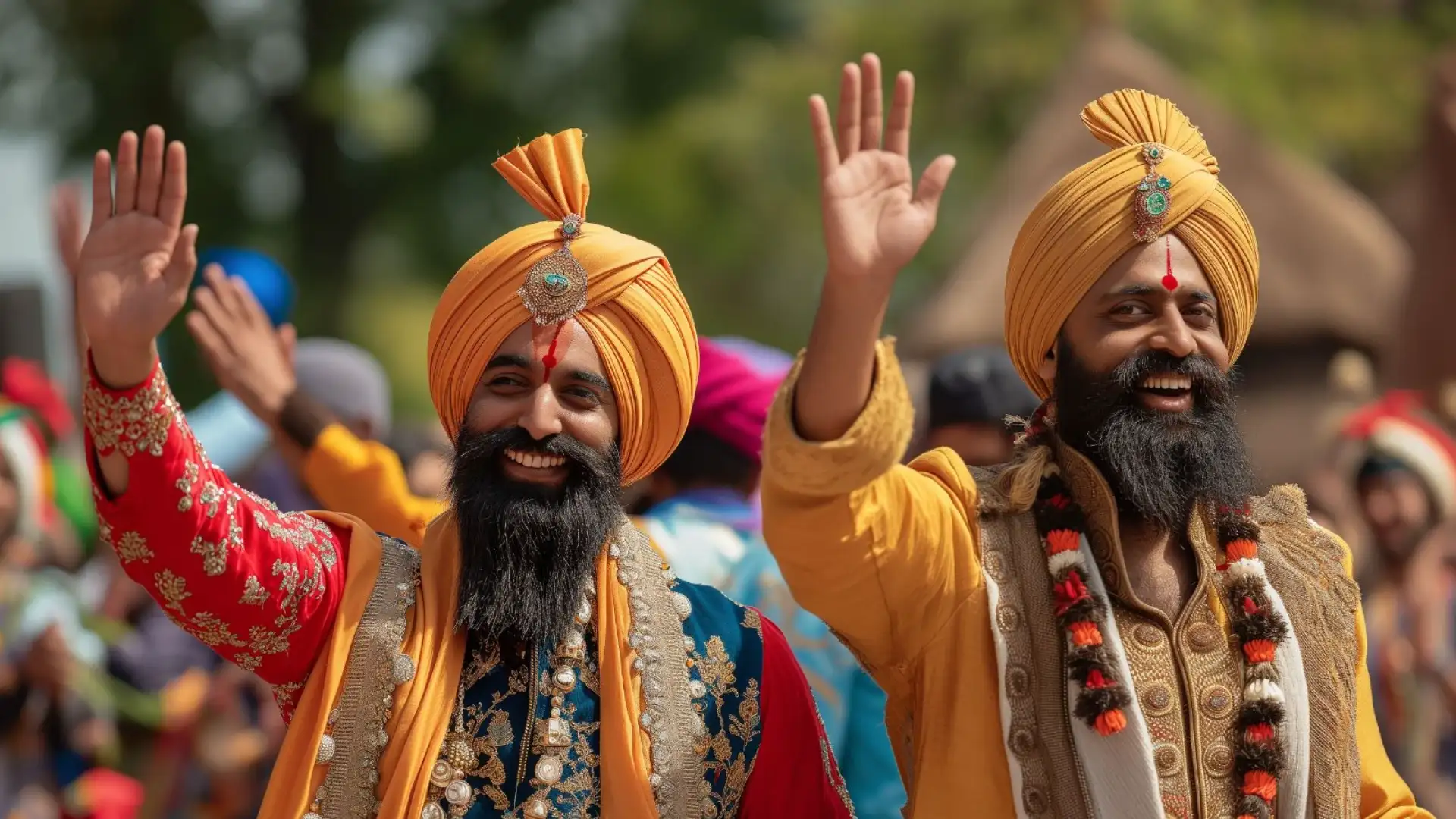
However, a landmark report titled the India Culture Travel Index, recently unveiled by global travel app Skyscanner at The Stainless Gallery in New Delhi, reveals that this traditional equation has been fundamentally flipped. Today's Indian holidaymakers are deciding which specific cultural experience they want to immerse themselves in before choosing the location that offers it. Culture has moved from being a secondary consideration or itinerary add-on to becoming the primary catalyst for booking a trip.
When examining what specific elements define a cultural journey, the report identified clear motivators:
Gen Z travellers, characterized as digital and artificial intelligence natives, leverage both social media algorithms and conversational AI tools to discover niche cultural phenomena. Visual platforms like YouTube and Instagram democratize travel by exposing users to hidden regional rituals, local food stalls, and traditional craft clusters that rarely feature in old-school guidebooks. AI tools further assist these research-oriented planners by tailoring hyper-specific itineraries based on individual passions, whether that involves textile history, classical music festivals, or culinary walking tours.
Geography and environmental conditions directly shape local food, clothing, architecture, and performing arts. As local habitats and human environments change, communities naturally adapt their traditions, giving stories a vital sense of continuity. Experiencing this living, breathing aspect of human culture by interacting directly with artisans and participating in community traditions, provides modern travellers with a far deeper, more meaningful connection than simple landmark photos ever could.
Whether exploring the historic lanes of Kochi, the palaces of Udaipur, the artistic hubs of Kolkata, or serene Himalayan villages like Almora, Indian holidaymakers are proving that the soul of travel lies in the stories, flavors, and traditions they encounter along the way.
However, a landmark report titled the India Culture Travel Index, recently unveiled by global travel app Skyscanner at The Stainless Gallery in New Delhi, reveals that this traditional equation has been fundamentally flipped. Today's Indian holidaymakers are deciding which specific cultural experience they want to immerse themselves in before choosing the location that offers it. Culture has moved from being a secondary consideration or itinerary add-on to becoming the primary catalyst for booking a trip.
What the Numbers Reveal About the New Indian Tourist
The comprehensive study, based on a survey of 2,000 regular Indian travellers, highlights a significant rise in domestic and international cultural curiosity. An overwhelming 84 percent of respondents stated that they have developed a stronger interest in culture-led travel within India in recent years. Furthermore, 67 percent of participants confirmed that they actively plan their vacations around at least one specific cultural event or regional tradition.You may also like
- Keys to a Healthy Lifestyle
- Broom Cleaning Tips: Is your old broom too worn out? Do this before throwing it away.
- Toilet Yellow Stains: Toilet stains persist even after repeated scrubbing. Learn the real reason.
- Rare Stomach Cancer: Two women in Mumbai have been diagnosed with extremely rare stomach cancer!
- Salman Khan 16 Kg Weight Loss: Salman shines after losing 16 kg weight, people above 60 must know this health secret!
When examining what specific elements define a cultural journey, the report identified clear motivators:
- Heritage and Historical Architecture: Historical sites emerge as the single strongest driver, with 47 percent of travellers willing to build an entire holiday itinerary around exploring ancient architecture and heritage trails.
- Regional Culinary Tourism: Food has evolved far beyond basic sustenance. About 43 per cent of Indian travellers explicitly state that experiencing authentic regional cuisine and local food cultures is a main reason for selecting a destination.
- Festivals and Seasonal Celebrations: Festival-led tourism is experiencing explosive growth. Events such as Durga Puja in West Bengal, Ganesh Chaturthi in Maharashtra, Lathmar Holi in Uttar Pradesh, and Navratri Garba in Gujarat are drawing massive crowds of young travellers who want to participate directly in living traditions.
- Local Crafts and Artisanal Traditions: Hands-on craft experiences, such as observing Ajrakh block printing in Gujarat or engaging with Patachitra scroll painters in West Bengal, offer travelers a deeply personal connection to regional heritage.
Gen Z, Social Media, and AI: The Forces Driving Interest-First Travel
A key driver of this behavioural shift is how younger generations research and discover the world. As Neel Ghose, Travel Trends and Destinations Expert at Skyscanner, observes, the question inspiring travel has evolved. Tourists are no longer asking, "Where should we go?" as their starting point. Instead, they begin with, "What should we experience?" and let the answer determine their destination.Gen Z travellers, characterized as digital and artificial intelligence natives, leverage both social media algorithms and conversational AI tools to discover niche cultural phenomena. Visual platforms like YouTube and Instagram democratize travel by exposing users to hidden regional rituals, local food stalls, and traditional craft clusters that rarely feature in old-school guidebooks. AI tools further assist these research-oriented planners by tailoring hyper-specific itineraries based on individual passions, whether that involves textile history, classical music festivals, or culinary walking tours.
Culture as a Living, Adapting Entity
While travellers often seek historic authenticity, experts caution against viewing regional culture as a static museum exhibit frozen in time. Dr. Navina Jafa, a renowned expert in heritage tourism, sustainability, and cultural strategy, points out that true cultural authenticity lies in its continuous evolution.Geography and environmental conditions directly shape local food, clothing, architecture, and performing arts. As local habitats and human environments change, communities naturally adapt their traditions, giving stories a vital sense of continuity. Experiencing this living, breathing aspect of human culture by interacting directly with artisans and participating in community traditions, provides modern travellers with a far deeper, more meaningful connection than simple landmark photos ever could.
Whether exploring the historic lanes of Kochi, the palaces of Udaipur, the artistic hubs of Kolkata, or serene Himalayan villages like Almora, Indian holidaymakers are proving that the soul of travel lies in the stories, flavors, and traditions they encounter along the way.






Loving Newspoint? Download the app now
