
The Rise of the Digital Human: What Are AI Influencers and How Do They Work?

Imagine scrolling through your favourite social media platform and coming across a stylish content creator. She posts outfit photos from Milan Fashion Week, shares her morning smoothie recipes, and replies politely to fan comments. She has millions of loyal followers, lucrative sponsorships with luxury brands, and an active lifestyle.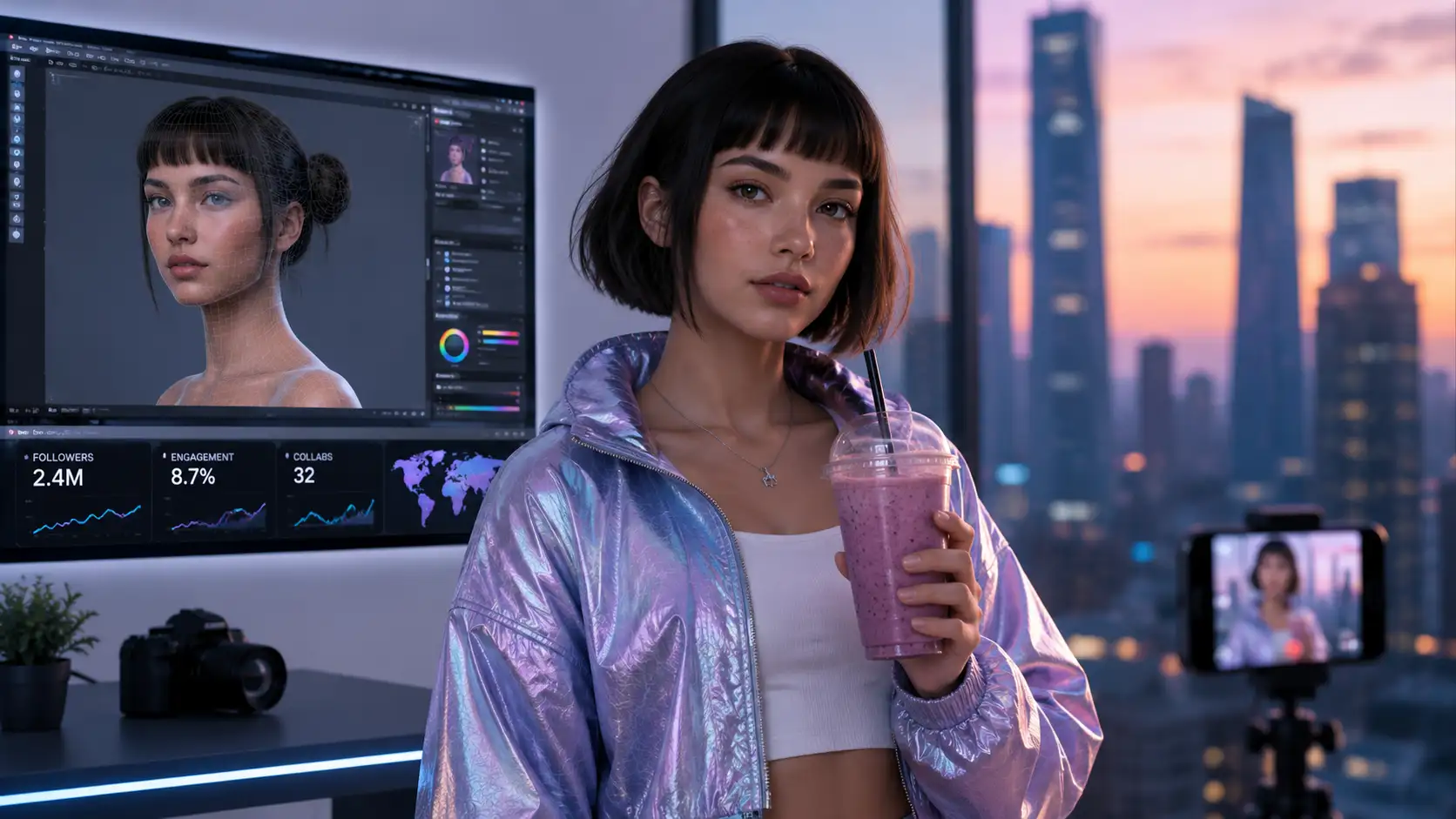
However, there is a fascinating twist: she does not physically exist. She does not breathe, eat, or sleep. She is an AI influencer, a completely digital human generated by advanced computer graphics and smart algorithms.
While this sounds like science fiction, virtual personalities like Lil Miquela, Aitana Lopez, and Imma are currently generating massive global engagement and earning thousands of pounds per post. But how did we get here, and how do these digital creators actually work? Let us break down the story behind this growing internet phenomenon.
Using 3D modelling and generative artificial intelligence, engineers render a hyper-realistic human image. Today's tools allow team members to place this digital persona into real-world photo backgrounds, seamlessly blending virtual code with actual physical environments.
Meanwhile, language processing models write captions, craft conversational replies, and keep the persona’s tone consistent across every interaction.
First, virtual influencers offer absolute reliability. They do not suffer from fatigue, miss flight connections, or double-book photoshoot schedules. A digital model can "travel" to London, Tokyo, and New York in a single afternoon without leaving a computer server.
Second, agencies enjoy total creative control over the brand message. Lighting can be adjusted instantly, outfits can be recoloured with a click, and script adjustments take minutes rather than hours of costly reshoots. This incredible efficiency makes virtual talent a highly flexible asset for modern marketing campaigns.
Human influencers build their followings through shared lived experiences, genuine emotions, and relatable personal struggles. Can an audience form a deep, meaningful connection with an entity that has never experienced heartbreak, joy, or daily fatigue? Furthermore, critics express concern over hyper-idealised digital standards, as flawless AI models never experience bad hair days or natural skin blemishes.
To maintain trust, industry standards now increasingly mandate transparent labelling. Most digital stars clearly state in their profile bios that they are virtual entities, ensuring that followers know they are engaging with a synthetic persona.
Ultimately, the phenomenon shows that in our digital-first world, storytelling remains king even when the storyteller is made of code.
However, there is a fascinating twist: she does not physically exist. She does not breathe, eat, or sleep. She is an AI influencer, a completely digital human generated by advanced computer graphics and smart algorithms.
While this sounds like science fiction, virtual personalities like Lil Miquela, Aitana Lopez, and Imma are currently generating massive global engagement and earning thousands of pounds per post. But how did we get here, and how do these digital creators actually work? Let us break down the story behind this growing internet phenomenon.
How a Virtual Persona Is Born
Creating an AI influencer is a blend of digital art, storytelling, and cutting-edge software. It usually begins with a creative agency or tech studio designing a backstory, aesthetic, and distinct personality. Designers map out everything from the character's hair colour and facial expressions to their music taste and social values.Using 3D modelling and generative artificial intelligence, engineers render a hyper-realistic human image. Today's tools allow team members to place this digital persona into real-world photo backgrounds, seamlessly blending virtual code with actual physical environments.
You may also like
- New Tax Regime: 9 out of 10 taxpayers are now opting for the new tax regime; here are 5 key reasons..
- PM Awas Yojana: 1.08 crore houses to be provided now; find out how to avail the benefits of this government scheme..
- Significance of Sawan: Eclipses and Worship of Lord Shiva
- Hariyali Amavasya 2026: Significance and Auspicious Timing for Planting
- Quote of the day by Haruki Murakami: "Despite your best efforts, people are going to be hurt when…" - a profound lesson that some struggles are unavoidable
Meanwhile, language processing models write captions, craft conversational replies, and keep the persona’s tone consistent across every interaction.
Why Brands Are Falling for Digital Talent
For global fashion and technology brands, working with AI creators offers distinct advantages over traditional human talent.First, virtual influencers offer absolute reliability. They do not suffer from fatigue, miss flight connections, or double-book photoshoot schedules. A digital model can "travel" to London, Tokyo, and New York in a single afternoon without leaving a computer server.
Second, agencies enjoy total creative control over the brand message. Lighting can be adjusted instantly, outfits can be recoloured with a click, and script adjustments take minutes rather than hours of costly reshoots. This incredible efficiency makes virtual talent a highly flexible asset for modern marketing campaigns.
The Authenticity Dilemma
Despite their popularity, the rise of synthetic creators raises important questions regarding trust and authenticity.Human influencers build their followings through shared lived experiences, genuine emotions, and relatable personal struggles. Can an audience form a deep, meaningful connection with an entity that has never experienced heartbreak, joy, or daily fatigue? Furthermore, critics express concern over hyper-idealised digital standards, as flawless AI models never experience bad hair days or natural skin blemishes.
To maintain trust, industry standards now increasingly mandate transparent labelling. Most digital stars clearly state in their profile bios that they are virtual entities, ensuring that followers know they are engaging with a synthetic persona.
The Future of Digital Influence
AI influencers are not here to completely replace human content creators; rather, they represent an exciting expansion of digital entertainment. As technology becomes more accessible, we will likely see virtual personalities host live streams, star in video games, and serve as interactive customer assistants.Ultimately, the phenomenon shows that in our digital-first world, storytelling remains king even when the storyteller is made of code.






Loving Newspoint? Download the app now
