
Why Fermented Pickles Are Different From Vinegar Pickles: Everything You Need to Know

Pickles have been enjoyed for thousands of years, adding a sharp, tangy flavour to meals across many cultures. Although jars of pickles may look similar on supermarket shelves, not all pickles are made the same way. The biggest difference lies in how they achieve their distinctive taste. Traditional fermented pickles develop naturally through beneficial bacteria, while vinegar pickles rely on acidic brine for quick preservation. This difference affects everything from flavour and texture to nutritional value and shelf life. Understanding how these two methods work can help you choose the type of pickle that best suits your taste and dietary preferences.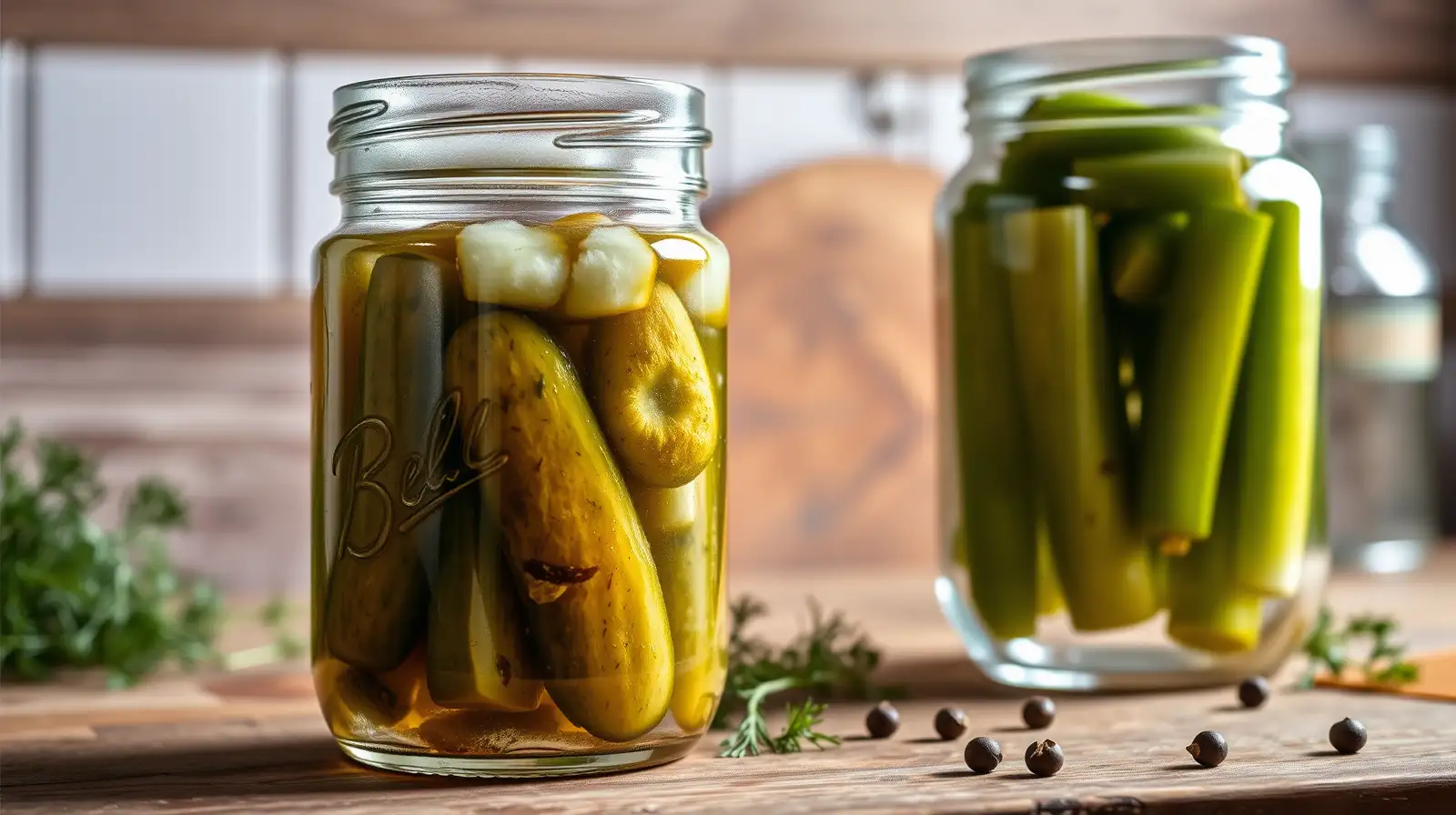
Vinegar pickles skip this natural fermentation. Instead, vegetables are immersed in a vinegar-based solution that provides acidity immediately. This allows manufacturers and home cooks to produce pickles much more quickly.
Vinegar pickles usually have a sharper, more direct tang because the acidity comes straight from the vinegar rather than being produced naturally. Some people prefer this bold flavour, while others enjoy the milder complexity of fermented varieties.
Interestingly, traditional fermented pickles have long been part of cuisines across Eastern Europe, Korea, India and the Middle East, each region adapting the process using local ingredients and spices.
Vinegar pickles generally do not contain these live cultures because fermentation does not take place. Many commercially produced pickles are also pasteurised, which can eliminate beneficial bacteria even if they were originally fermented.
By contrast, vinegar pickles are usually crisp and have a clear brine. Manufacturers often add ingredients such as calcium chloride to help maintain firmness during storage.
Long before refrigeration existed, fermentation allowed communities to preserve seasonal vegetables safely through colder months. This ancient practice remains one of the oldest and most effective methods of food preservation.
Two Different Preservation Methods
The main distinction between fermented pickles and vinegar pickles is the preservation process. Fermented pickles are made by soaking fresh vegetables in a saltwater brine. Naturally occurring bacteria convert the vegetables' natural sugars into lactic acid, creating an acidic environment that preserves the food.Vinegar pickles skip this natural fermentation. Instead, vegetables are immersed in a vinegar-based solution that provides acidity immediately. This allows manufacturers and home cooks to produce pickles much more quickly.
Fermentation Creates a More Complex Flavour
One reason fermented pickles have remained popular for centuries is their layered taste. As fermentation progresses, the flavour develops gradually, creating subtle sour notes with earthy and savoury characteristics.Vinegar pickles usually have a sharper, more direct tang because the acidity comes straight from the vinegar rather than being produced naturally. Some people prefer this bold flavour, while others enjoy the milder complexity of fermented varieties.
You may also like
- Essential Hair Growth Tips for Luscious Locks
- When your child says “I can't do it,” avoid saying “You can”; Psychologist explains what to say instead
- Is It Safe For Pregnant Women To Eat Curd at Night?
- 7 indoor plants that may keep cockroaches out of your home
- The Capgemini Day-Care horror exposes the true cost of the Motherhood Penalty
Interestingly, traditional fermented pickles have long been part of cuisines across Eastern Europe, Korea, India and the Middle East, each region adapting the process using local ingredients and spices.
Beneficial Bacteria Make a Difference
One of the most talked-about benefits of fermented pickles is the presence of live beneficial bacteria, often referred to as probiotics. When fermentation occurs naturally and the pickles have not been heat-treated afterwards, these microorganisms may help support a healthy gut microbiome.Vinegar pickles generally do not contain these live cultures because fermentation does not take place. Many commercially produced pickles are also pasteurised, which can eliminate beneficial bacteria even if they were originally fermented.
Texture and Appearance Can Vary
Fermented pickles often have a slightly softer texture as natural fermentation gently changes the vegetable over time. Their brine may also appear cloudy, which is a normal sign of active fermentation.By contrast, vinegar pickles are usually crisp and have a clear brine. Manufacturers often add ingredients such as calcium chloride to help maintain firmness during storage.
Why Fermentation Still Matters Today
As interest in gut health and traditional foods continues to grow, fermented foods have regained popularity. Many people are exploring age-old preservation techniques not only for their distinctive flavour but also for their connection to natural food preparation.Long before refrigeration existed, fermentation allowed communities to preserve seasonal vegetables safely through colder months. This ancient practice remains one of the oldest and most effective methods of food preservation.
Choosing the Right Pickle for Your Plate
Neither fermented pickles nor vinegar pickles are inherently better. Each offers its own flavour, texture and culinary appeal. Fermented pickles provide a naturally developed taste and may contain beneficial bacteria, while vinegar pickles deliver a brighter, sharper flavour with a longer and more predictable shelf life. Understanding how these two methods differ helps you appreciate the history, science and craftsmanship behind one of the world's oldest preserved foods, making every bite a little more interesting.





Loving Newspoint? Download the app now
