
5 Animals That Turn White When Winter Arrives and Why They Do It

When casual observers consider the concept of physiological color adaptation in the animal kingdom, reptiles like chameleons or complex marine cephalopods typically dominate the conversation. However, some of the most dramatic, survival-critical transformations occur far away from tropical rainforests and coral reefs. Deep within the planet's most unforgiving sub-zero environments such as the vast Arctic tundra and subarctic alpine woodlands - a select group of warm-blooded mammals and birds pull off a spectacular annual makeover. As autumn fades and heavy sheets of snow cover the landscape, these creatures systematically shed their earthy, summer-ready coats for pristine white winter insulation. This structural camouflage allows them to blend invisibly against the snow, balancing the delicate scales of survival between predator and prey.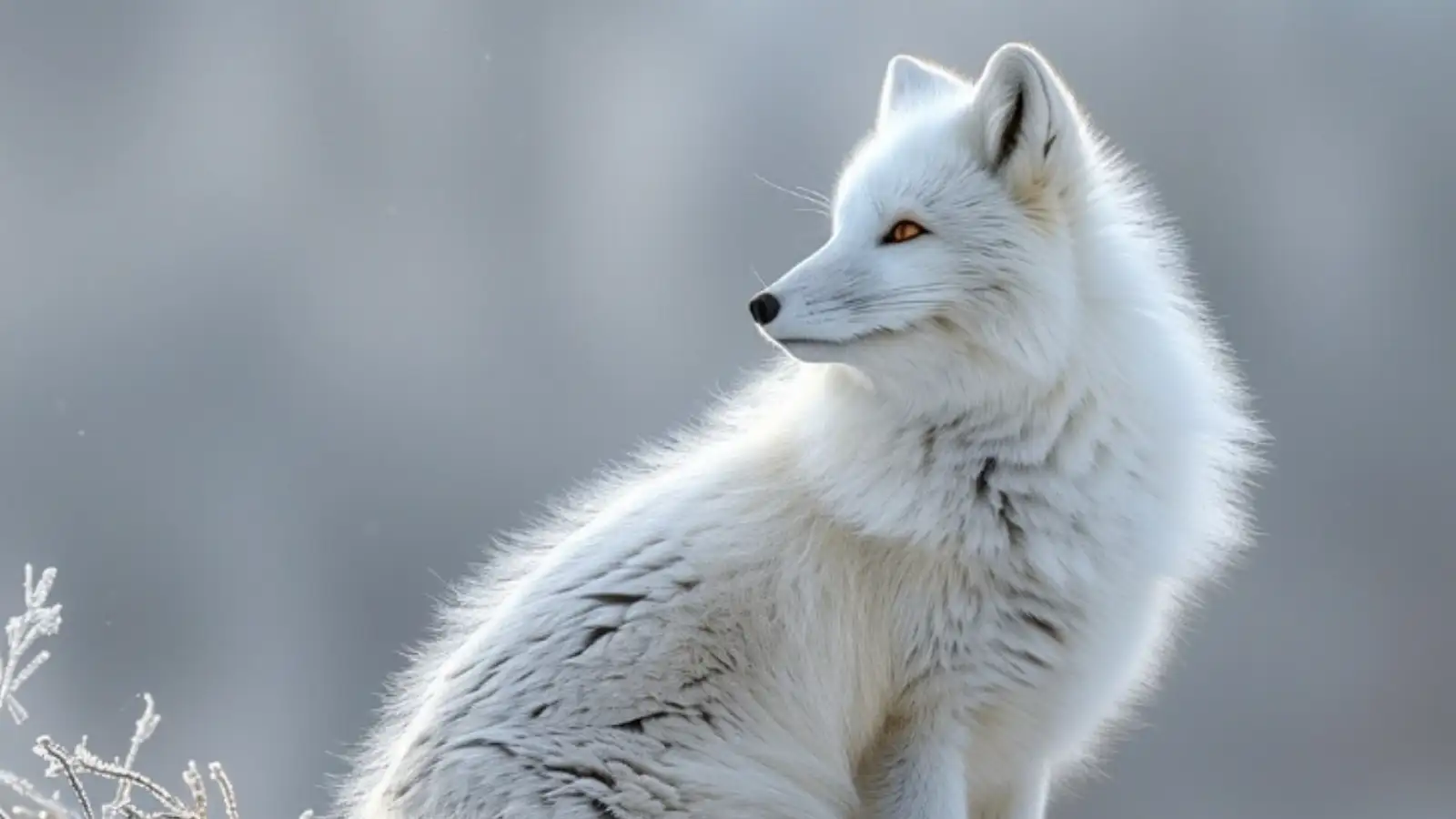
Here are five cold-climate species that turn completely white for the winter season:
Proving that seasonal color shifting is not exclusive to mammals, the ptarmigan is a hardy, ground-dwelling bird that thrives in alpine and Arctic terrains. During the spring and summer breeding seasons, its plumage is heavily speckled with intricate patterns of brown, gold, and grey, mimicking the moss and lichen-covered rocks where it nests. As frozen conditions set in, the bird molts its summer feathers in favor of a dense, pure-white plumage. The camouflage is so flawless that an entire flock of ptarmigans can remain completely undetected by predators even when resting out in the open on a blank snowfield.
Here are five cold-climate species that turn completely white for the winter season:
1. The Arctic Fox
The Arctic fox represents a masterclass in seasonal phenotypic plasticity. Throughout the brief northern summer, its thin fur displays a muted slate-grey or rich brown pigmentation, allows it to go unnoticed against barren tundra rocks, soil, and low-growing vegetation. As daylight hours dwindle, signaling the arrival of extreme winter, its body sheds this layer to grow a dense, multi-layered white coat. Beyond making the fox completely invisible to the large apex predators that hunt it, this ultra-thick winter coat functions as an exceptional thermal barrier, allowing the animal to maintain a stable core body temperature in environments where temperatures routinely plunge past -50°C.2. The Snowshoe Hare
For a vulnerable prey species like the snowshoe hare, seasonal camouflage is quite literally a matter of life or death. Named for its disproportionately large, fur-covered hind feet that allow it to sprint across deep snowbanks without sinking, the hare shifts its coat in precise harmony with its environment. Its warm-season coat features a dark, brindled brown coloration that blends into the forest floor. When winter arrives, a hormonal cascade triggered by changes in ambient light causes the hare to grow a striking snow-white coat. This transformation renders it practically invisible to lynxes, hawks, and owls scanning the snowy terrain.3. The Stoat
The stoat is a small, highly aggressive carnivorous weasel known for its fierce hunting instincts. For the majority of the calendar year, the animal features a warm, reddish-brown coat accented by a pale underbelly. However, populations residing in snowy northern latitudes transition into a distinct winter phase historically referred to as an "ermine." The stoat’s fur bleaches into a uniform, brilliant white, with only the highly distinct black tip of its tail retaining its original dark pigmentation. This color shift allows the swift predator to ambush small rodents across open snowpack without giving away its approach.
4. The Ptarmigan
Proving that seasonal color shifting is not exclusive to mammals, the ptarmigan is a hardy, ground-dwelling bird that thrives in alpine and Arctic terrains. During the spring and summer breeding seasons, its plumage is heavily speckled with intricate patterns of brown, gold, and grey, mimicking the moss and lichen-covered rocks where it nests. As frozen conditions set in, the bird molts its summer feathers in favor of a dense, pure-white plumage. The camouflage is so flawless that an entire flock of ptarmigans can remain completely undetected by predators even when resting out in the open on a blank snowfield.5. The Mountain Hare
The mountain hare, a close relative of the snowshoe hare indigenous to polar and mountainous terrains, follows a remarkably similar evolutionary playbook. Swapping out a brownish-grey coat for a thick, snow-white winter garment, the hare relies heavily on this seasonal wardrobe to navigate open, exposed slopes. Because it lacks the heavy physical defense mechanisms of larger herbivores, its ability to melt seamlessly into a backdrop of fresh powder remains its primary strategy for avoiding detection and surviving until the spring thaw.Next Story