
Keep Your Bones Strong with These Nutritious Foods

Strong bones are essential for staying active and independent as you grow older. While bones naturally lose density with age, the right diet can help slow this process and reduce the risk of fractures. Calcium and vitamin D are well known for bone health, but other nutrients such as protein, magnesium, potassium, vitamin K and phosphorus also play an important role. Including a variety of nutrient-rich foods in your daily meals can help keep your bones healthy for years to come.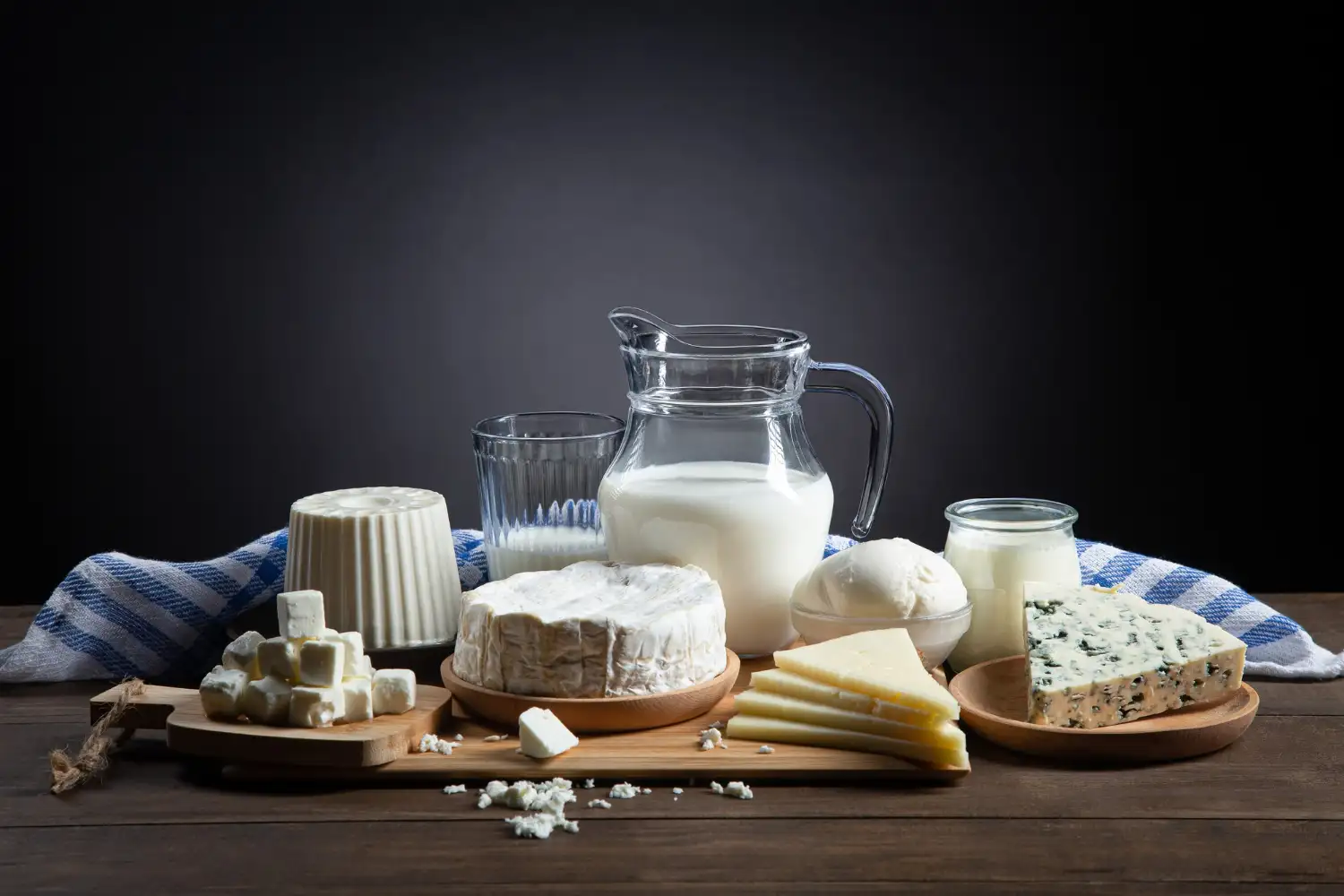
Why Bone Health Matters
Bone density gradually declines with age, especially after the age of 50. Women are at a higher risk after menopause due to reduced estrogen levels, while men also experience bone loss as they age. Eating foods rich in bone-supporting nutrients, staying physically active and getting enough sunlight for vitamin D can help maintain stronger bones.
Dairy Products
Milk, yogurt and cheese are among the best sources of calcium, which is essential for building and maintaining strong bones. Yogurt also contains protein and probiotics that support overall health. Choose low-fat or unsweetened options if you are watching your calorie intake.
Fatty Fish
Salmon, sardines and mackerel are rich in vitamin D, which helps the body absorb calcium effectively. Canned sardines and salmon with edible bones also provide an extra calcium boost, making them excellent foods for bone strength.
Leafy Green Vegetables
Spinach, kale, mustard greens and bok choy are packed with calcium, vitamin K and magnesium. Vitamin K supports bone mineralisation, while magnesium helps maintain bone structure. Adding leafy greens to salads, soups or curries is an easy way to increase your intake.
Nuts and Seeds
Almonds, sesame seeds, chia seeds and flaxseeds provide calcium, magnesium and healthy fats. Sesame seeds, in particular, are one of the richest plant-based sources of calcium and can be sprinkled over salads, vegetables or breakfast bowls.
Beans and Lentils
Beans, chickpeas, kidney beans and lentils offer plant-based protein along with magnesium, phosphorus and potassium. Protein is essential for maintaining bone mass, while these minerals help strengthen the skeletal system.
Eggs
Egg yolks contain vitamin D along with high-quality protein. Although eggs alone do not provide enough vitamin D to meet daily needs, they can contribute to a balanced diet that supports healthy bones.
Soy Foods
Tofu, soy milk and edamame are excellent choices, especially for people who do not consume dairy. Many fortified soy products contain added calcium and vitamin D, making them valuable alternatives for bone health.
Citrus Fruits
Oranges, lemons and other citrus fruits are rich in vitamin C, which plays a key role in collagen production. Collagen forms part of the bone structure and helps keep bones strong and resilient.
Prunes
Prunes are one of the few fruits linked to improved bone health. Studies suggest that eating a small serving regularly may help slow bone loss by reducing inflammation and supporting bone density.
Whole Grains
Whole grains such as oats, quinoa and brown rice provide magnesium and other minerals that contribute to healthy bones. They also supply fibre and long-lasting energy for an active lifestyle.
Foods to Limit
Some foods can negatively affect bone health when consumed in excess. Try to limit:
Simple Tips for Stronger Bones
Healthy bones require more than just calcium. A balanced diet that includes dairy, leafy greens, fatty fish, nuts, seeds, beans, whole grains and vitamin-rich fruits can provide the nutrients your bones need as you age. Combined with regular exercise and healthy lifestyle habits, these foods can help maintain bone strength, improve mobility and support overall well-being throughout life.
Why Bone Health Matters
Bone density gradually declines with age, especially after the age of 50. Women are at a higher risk after menopause due to reduced estrogen levels, while men also experience bone loss as they age. Eating foods rich in bone-supporting nutrients, staying physically active and getting enough sunlight for vitamin D can help maintain stronger bones. Dairy Products
Milk, yogurt and cheese are among the best sources of calcium, which is essential for building and maintaining strong bones. Yogurt also contains protein and probiotics that support overall health. Choose low-fat or unsweetened options if you are watching your calorie intake.Fatty Fish
Salmon, sardines and mackerel are rich in vitamin D, which helps the body absorb calcium effectively. Canned sardines and salmon with edible bones also provide an extra calcium boost, making them excellent foods for bone strength. Leafy Green Vegetables
Spinach, kale, mustard greens and bok choy are packed with calcium, vitamin K and magnesium. Vitamin K supports bone mineralisation, while magnesium helps maintain bone structure. Adding leafy greens to salads, soups or curries is an easy way to increase your intake.You may also like
- Bone cancer symptoms: Do you experience persistent bone pain? Doctors explain the early signs of bone cancer
- Made a mistake after filing your ITR? Don't worry; this feature can simplify the process for you.
- “We are part of kids' lives, kids are not part of ours”: Riteish Deshmukh on one parenting mistake many parents don't realize they're making
- How Yog Helps Emotional Healing
- Jennifer Lawrence is wearing them, so is Meghan Markle - why toe loop sandals are trending
Nuts and Seeds
Almonds, sesame seeds, chia seeds and flaxseeds provide calcium, magnesium and healthy fats. Sesame seeds, in particular, are one of the richest plant-based sources of calcium and can be sprinkled over salads, vegetables or breakfast bowls. Beans and Lentils
Beans, chickpeas, kidney beans and lentils offer plant-based protein along with magnesium, phosphorus and potassium. Protein is essential for maintaining bone mass, while these minerals help strengthen the skeletal system. Eggs
Egg yolks contain vitamin D along with high-quality protein. Although eggs alone do not provide enough vitamin D to meet daily needs, they can contribute to a balanced diet that supports healthy bones. Soy Foods
Tofu, soy milk and edamame are excellent choices, especially for people who do not consume dairy. Many fortified soy products contain added calcium and vitamin D, making them valuable alternatives for bone health.Citrus Fruits
Oranges, lemons and other citrus fruits are rich in vitamin C, which plays a key role in collagen production. Collagen forms part of the bone structure and helps keep bones strong and resilient. Prunes
Prunes are one of the few fruits linked to improved bone health. Studies suggest that eating a small serving regularly may help slow bone loss by reducing inflammation and supporting bone density. Whole Grains
Whole grains such as oats, quinoa and brown rice provide magnesium and other minerals that contribute to healthy bones. They also supply fibre and long-lasting energy for an active lifestyle. Foods to Limit
Some foods can negatively affect bone health when consumed in excess. Try to limit: - Highly processed foods
- Sugary soft drinks
- Excess salt
- Heavy alcohol consumption
- Excessive caffeine without adequate calcium intake
Simple Tips for Stronger Bones
- Include calcium-rich foods in every meal.
- Spend time outdoors for natural vitamin D from sunlight.
- Eat enough protein to support bone maintenance.
- Stay physically active with walking, strength training or weight-bearing exercises.
- Avoid smoking and excessive alcohol consumption.
- Talk to a healthcare provider about supplements if dietary intake is insufficient.
Healthy bones require more than just calcium. A balanced diet that includes dairy, leafy greens, fatty fish, nuts, seeds, beans, whole grains and vitamin-rich fruits can provide the nutrients your bones need as you age. Combined with regular exercise and healthy lifestyle habits, these foods can help maintain bone strength, improve mobility and support overall well-being throughout life.






Loving Newspoint? Download the app now
