
6 Foods That Aren't As Healthy As You Think

Making healthier food choices often starts with the supermarket shelf. Many of us swap white bread for brown bread , choose energy bars over biscuits or pick up products labelled "low-fat" without giving them a second thought. While these options may seem healthier, attractive packaging and marketing claims can sometimes be misleading.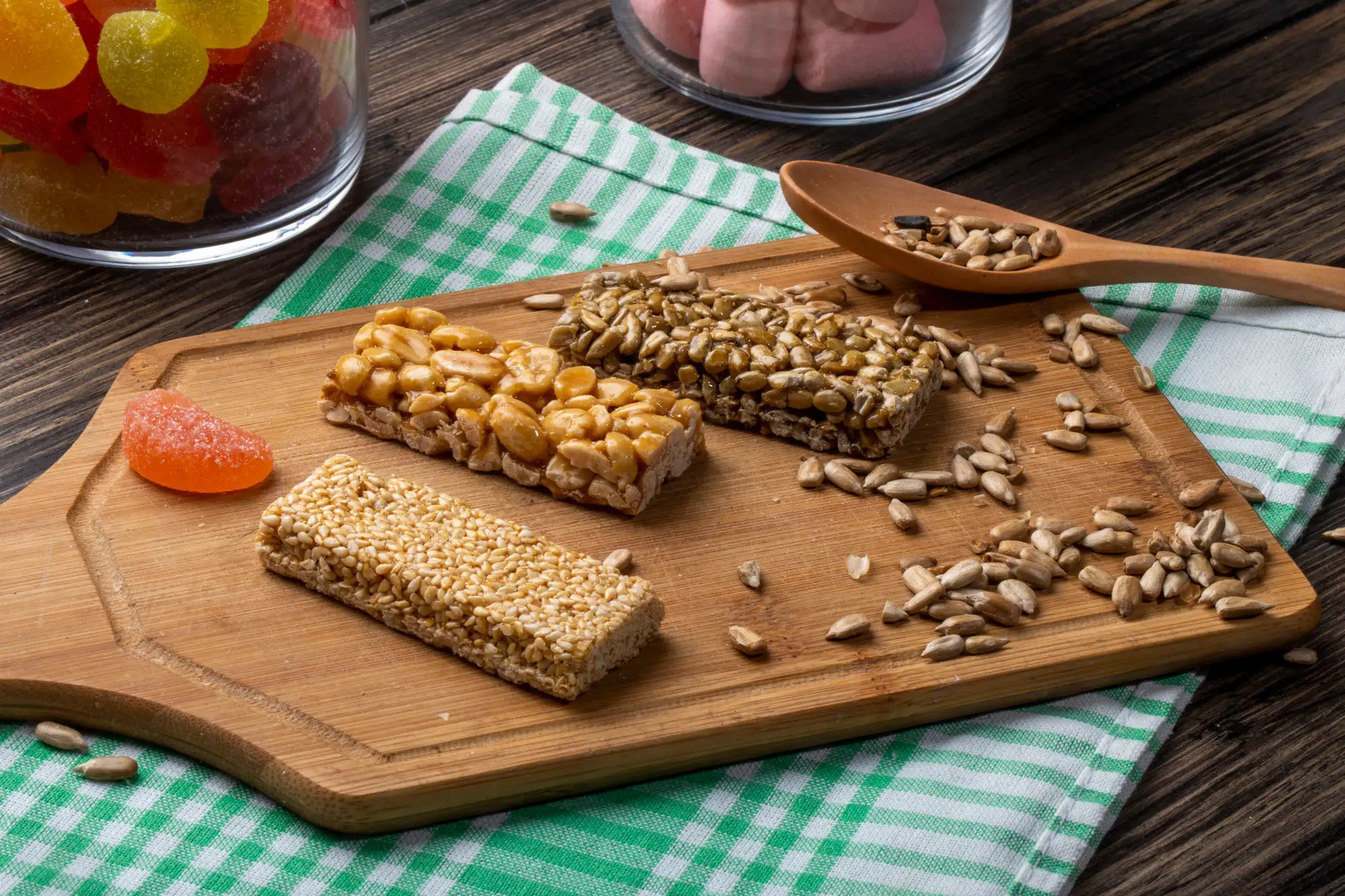
Terms like "natural", "multigrain" and "healthy" don't always guarantee better nutrition. Understanding food labels and ingredient lists can help you make smarter choices and support healthy eating . Here are six foods that may not be as healthy as they appear.
Some brown bread is made using refined flour, also known as maida, and simply coloured with caramel or molasses to give it a darker appearance. Although it looks healthier, its nutritional value may be very similar to white bread.
If you're looking for more fibre and better nutrition, choose bread labelled as 100% whole wheat and check the ingredients list before buying.
Also Read: Unlocking The Health Secrets Of Curd: Why This Everyday Superfood Deserves A Place On Your Plate
However, many varieties also contain added sugar, glucose syrup, chocolate coatings and preservatives. Some can have sugar levels comparable to a chocolate bar. While healthier options do exist, reading the nutrition label is essential before making them a regular snack.
Many flavoured varieties include fruit syrups, added sugar and artificial flavourings, turning a healthy dairy product into something closer to dessert. Plain yoghurt topped with fresh fruit offers the same nutritional benefits without unnecessary added sugars.
During processing, much of the natural fibre is removed, leaving behind concentrated natural sugars. Some products also contain added sugar. Without fibre, the body absorbs sugar more quickly, making whole fruits the healthier choice for everyday consumption.
When manufacturers reduce fat, they frequently add sugar, starch or salt to improve flavour and texture. As a result, the product may still be high in calories or less nutritious than expected. Instead of relying on front-of-pack claims, always read the full nutrition panel.
Although they may include vegetables, they cannot replace the nutritional value of fresh vegetables. Enjoy them occasionally, but don't treat them as a substitute for real vegetables in a balanced diet.
Also Read: Monsoon Superfoods: 10 Forgotten Seasonal Foods to Add to Your Diet This Rainy Season
Understanding food labels and checking ingredients can help you avoid marketing traps and make informed food choices. Sometimes the healthiest option is also the simplest one.
Terms like "natural", "multigrain" and "healthy" don't always guarantee better nutrition. Understanding food labels and ingredient lists can help you make smarter choices and support healthy eating . Here are six foods that may not be as healthy as they appear.
Brown Bread May Not Always Be Whole Wheat
Many people believe brown bread is automatically healthier than white bread. However, that's not always the case.Some brown bread is made using refined flour, also known as maida, and simply coloured with caramel or molasses to give it a darker appearance. Although it looks healthier, its nutritional value may be very similar to white bread.
If you're looking for more fibre and better nutrition, choose bread labelled as 100% whole wheat and check the ingredients list before buying.
Also Read: Unlocking The Health Secrets Of Curd: Why This Everyday Superfood Deserves A Place On Your Plate
Energy Bars Can Be High In Sugar
Energy bars are a popular snack for busy professionals, gym-goers and travellers. They often advertise protein, fibre and long-lasting energy.However, many varieties also contain added sugar, glucose syrup, chocolate coatings and preservatives. Some can have sugar levels comparable to a chocolate bar. While healthier options do exist, reading the nutrition label is essential before making them a regular snack.
Flavoured Yoghurt Isn't Always A Healthy Treat
Yoghurt is naturally rich in calcium, protein and probiotics that support gut health. But flavoured yoghurt can tell a different story.You may also like
- Scientists are racing to save a coral before it's gone: Why is elkhorn coral so special?
- Japan's incredible 'hibakujumoku': These trees survived the Hiroshima atomic bomb in 1945, and they're still alive today
- Exploring Adventure Tourism in India: A Journey Beyond Landmarks
- Essential Dental Care Tips for Seasonal Sensitivity
- Essential Monsoon Safety Tips for Expecting Mothers
Many flavoured varieties include fruit syrups, added sugar and artificial flavourings, turning a healthy dairy product into something closer to dessert. Plain yoghurt topped with fresh fruit offers the same nutritional benefits without unnecessary added sugars.
Packaged Fruit Juice Lacks Fibre
A glass of packaged fruit juice may seem like a convenient way to consume fruit, but it is not the same as eating whole fruit.During processing, much of the natural fibre is removed, leaving behind concentrated natural sugars. Some products also contain added sugar. Without fibre, the body absorbs sugar more quickly, making whole fruits the healthier choice for everyday consumption.
Low-Fat Doesn't Always Mean Healthier
Products labelled as low fat foods often appear to be better for your health, but that's not always true.When manufacturers reduce fat, they frequently add sugar, starch or salt to improve flavour and texture. As a result, the product may still be high in calories or less nutritious than expected. Instead of relying on front-of-pack claims, always read the full nutrition panel.
Veggie Chips Are Still Processed Snacks
Veggie chips made from beetroot, spinach or sweet potato sound like a healthier alternative to regular crisps. However, many are still fried and contain added oils, starches and salt.Although they may include vegetables, they cannot replace the nutritional value of fresh vegetables. Enjoy them occasionally, but don't treat them as a substitute for real vegetables in a balanced diet.
Also Read: Monsoon Superfoods: 10 Forgotten Seasonal Foods to Add to Your Diet This Rainy Season
Read Labels, Not Marketing Claims
Healthy eating is about more than choosing products with attractive labels. The best approach is to focus on minimally processed foods, fresh fruits, vegetables, whole grains and balanced meals.Understanding food labels and checking ingredients can help you avoid marketing traps and make informed food choices. Sometimes the healthiest option is also the simplest one.






Loving Newspoint? Download the app now
