
Why Keeping Everything in the Fridge Is a Big Grocery Mistake

For many people, the refrigerator is the go-to place for every grocery item that comes home from the store. While it may seem like the safest option, chilling everything can actually ruin the taste, texture, and quality of several everyday foods. In some cases, the fridge does more harm than good. Here are some common kitchen staples that deserve better storage habits.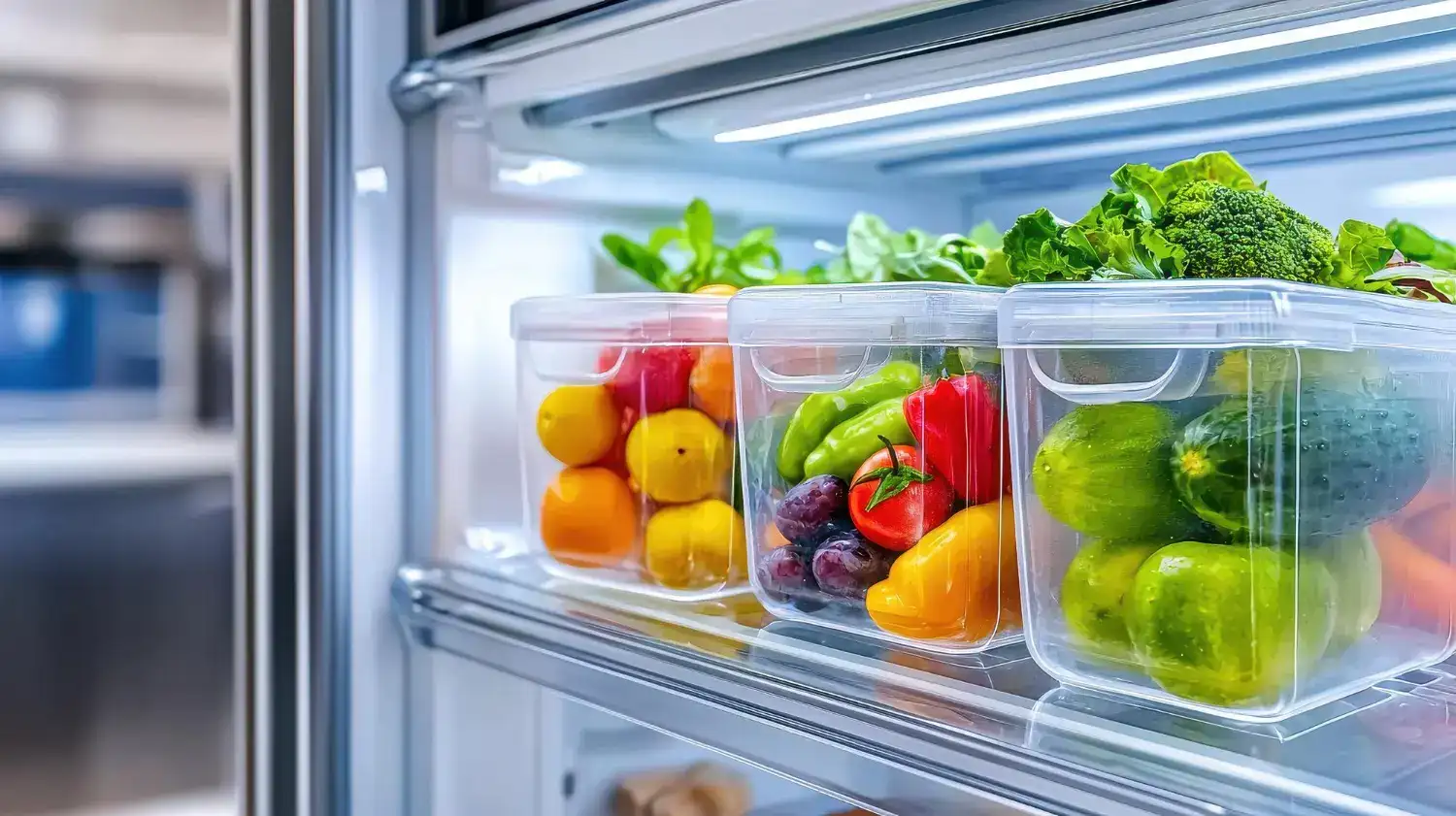
Tomatoes Lose Their Magic in the Cold
Tomatoes may look perfectly fine in the refrigerator, but their flavor tells a different story. Cold temperatures break down the compounds responsible for their rich taste and aroma. The result is a tomato that feels mealy, bland, and far less juicy.
Store them right: Keep tomatoes on the kitchen counter, away from direct sunlight. Refrigerate only if they are fully ripe and you need a little extra time before eating them.
Coffee Absorbs More Than You Think
Storing coffee in the fridge or freezer might seem smart, but coffee beans are highly absorbent. They soak up moisture and odors from surrounding foods, which can affect the flavor of your brew. Frequent temperature changes also reduce the freshness of the beans.
Store it right: Use an airtight container and keep it in a cool, dark pantry.
Refrigeration Makes Bread Stale Faster
Many people refrigerate bread to prevent mold, but the cold actually speeds up the staling process. The starches inside the bread crystallize more quickly, leaving slices dry, tough, and crumbly.
Store it right: Keep bread at room temperature in a bread box or paper bag. Freeze extra slices if you won't finish them within a few days.
Potatoes and Onions Are a Bad Pair
Potatoes and onions are often stored together, but they don't make good roommates. Onions release gases that can cause potatoes to sprout and spoil faster. Refrigerating potatoes is also a mistake because the cold converts their starch into sugar, altering both texture and taste.
Store them right: Keep potatoes and onions in separate, dark, well-ventilated spaces outside the refrigerator.
Olive Oil Hates Heat and Light
A bottle of olive oil beside the stove may look convenient, but constant exposure to heat and light speeds up oxidation. Over time, the oil loses its fresh flavor and can develop an unpleasant taste.
Store it right: Place olive oil in a cool, dark cupboard, preferably in a dark glass bottle.
Garlic and Honey Need Room Temperature
Honey is naturally shelf-stable, but refrigeration can cause it to crystallize into a hard, grainy mass. Garlic has its own storage needs. When trapped in a moist environment like a fridge, it can develop mold or sprout bitter shoots.
Store them right: Keep honey tightly sealed at room temperature. Store garlic in a mesh bag or open basket where air can circulate freely.
Your refrigerator is great for many foods, but it is not a one-size-fits-all storage solution. Keeping certain items out of the cold can preserve their flavor, texture, and freshness for much longer. A few simple storage changes can make everyday ingredients taste the way they were meant to.
Tomatoes Lose Their Magic in the Cold
Tomatoes may look perfectly fine in the refrigerator, but their flavor tells a different story. Cold temperatures break down the compounds responsible for their rich taste and aroma. The result is a tomato that feels mealy, bland, and far less juicy. Store them right: Keep tomatoes on the kitchen counter, away from direct sunlight. Refrigerate only if they are fully ripe and you need a little extra time before eating them.
Coffee Absorbs More Than You Think
Storing coffee in the fridge or freezer might seem smart, but coffee beans are highly absorbent. They soak up moisture and odors from surrounding foods, which can affect the flavor of your brew. Frequent temperature changes also reduce the freshness of the beans. Store it right: Use an airtight container and keep it in a cool, dark pantry.
You may also like
- Sending money to the government from abroad is set to become easier! The Finance Ministry has issued new rules; find out what has changed..
- Business Tips: Know these essential tips before starting a business to ensure a smooth and confident launch.
- SIP Tips: Looking for returns on SIP? Are you making this big mistake?
- The 23rd installment of the PM Kisan Yojana will be released on Saturday; will banks be closed or open on that day?
- Train Cancellations: Rail passengers may face inconvenience on June 19; Railways has cancelled several trains—check updates before traveling.
Refrigeration Makes Bread Stale Faster
Many people refrigerate bread to prevent mold, but the cold actually speeds up the staling process. The starches inside the bread crystallize more quickly, leaving slices dry, tough, and crumbly. Store it right: Keep bread at room temperature in a bread box or paper bag. Freeze extra slices if you won't finish them within a few days.
Potatoes and Onions Are a Bad Pair
Potatoes and onions are often stored together, but they don't make good roommates. Onions release gases that can cause potatoes to sprout and spoil faster. Refrigerating potatoes is also a mistake because the cold converts their starch into sugar, altering both texture and taste. Store them right: Keep potatoes and onions in separate, dark, well-ventilated spaces outside the refrigerator.
Olive Oil Hates Heat and Light
A bottle of olive oil beside the stove may look convenient, but constant exposure to heat and light speeds up oxidation. Over time, the oil loses its fresh flavor and can develop an unpleasant taste. Store it right: Place olive oil in a cool, dark cupboard, preferably in a dark glass bottle.
Garlic and Honey Need Room Temperature
Honey is naturally shelf-stable, but refrigeration can cause it to crystallize into a hard, grainy mass. Garlic has its own storage needs. When trapped in a moist environment like a fridge, it can develop mold or sprout bitter shoots. Store them right: Keep honey tightly sealed at room temperature. Store garlic in a mesh bag or open basket where air can circulate freely.
Your refrigerator is great for many foods, but it is not a one-size-fits-all storage solution. Keeping certain items out of the cold can preserve their flavor, texture, and freshness for much longer. A few simple storage changes can make everyday ingredients taste the way they were meant to.






More from our partners


Loving Newspoint? Download the app now
