
Move Over Tamarind: How Kokum is Transforming Modern Ramen, Cocktails, and Coffee

For generations, the culinary mapping of sour profiles in Indian households followed clear regional lines: the North relied heavily on dry mango powder (amchur), the South built its iconic sambars around rich tamarind (imli), and the West Coast looked exclusively to the deep-purple rind of kokum ( Garcinia indica ).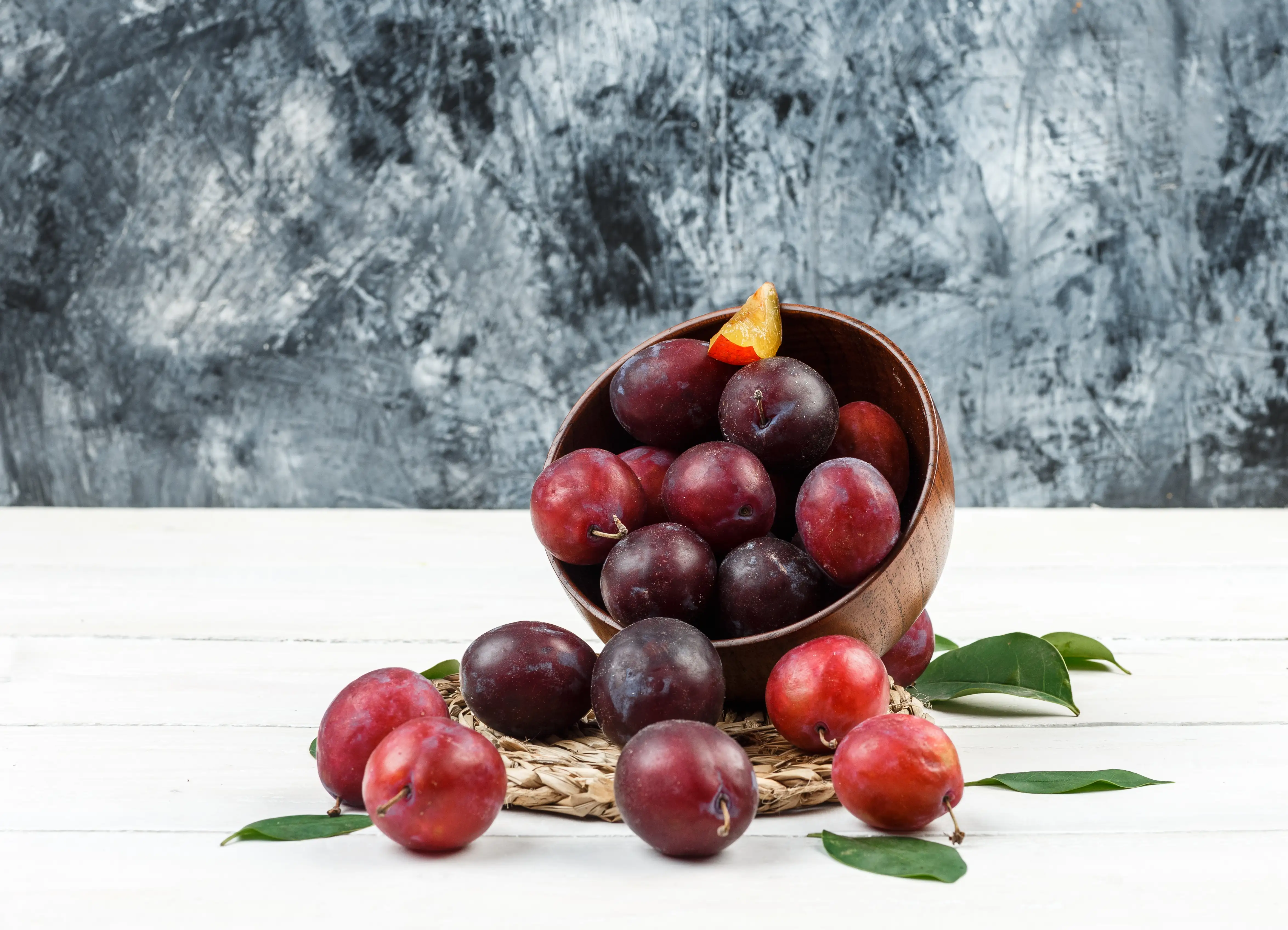
However, as contemporary Indian gastronomy increasingly turns inward to champion hyper-local ingredients, kokum is stepping out of the shadow of its classic identity. No longer confined to beachside shacks or traditional Konkani kitchens, this vibrant, anti-inflammatory superfruit has emerged as the premier darling of experimental kitchens, craft bars, and specialty cafes across the country, fundamentally changing how modern chefs approach acidity.
What makes kokum a powerful tool for modern chefs is its unique, clean flavor profile. Unlike tamarind, which carries a heavy, sticky sweetness, or lemons, which lean sharp and citrusy, high-quality kokum delivers an intensely bright, fruity, and slightly astringent sourness accompanied by a striking crimson hue.
This specific chemical structure has allowed it to easily transition into international cuisines where balancing heavy fat is essential:
By scaling up the demand for this drought-resistant crop, the culinary industry is directly supporting local farming communities across Maharashtra, Goa, and Karnataka. As experimental gastronomy continues to blur boundaries, kokum is proving that true innovation doesn’t require looking abroad sometimes, the most revolutionary flavors are already growing right in our own backyard.
However, as contemporary Indian gastronomy increasingly turns inward to champion hyper-local ingredients, kokum is stepping out of the shadow of its classic identity. No longer confined to beachside shacks or traditional Konkani kitchens, this vibrant, anti-inflammatory superfruit has emerged as the premier darling of experimental kitchens, craft bars, and specialty cafes across the country, fundamentally changing how modern chefs approach acidity.
Slicing Through Rich Umami and Caffeine
What makes kokum a powerful tool for modern chefs is its unique, clean flavor profile. Unlike tamarind, which carries a heavy, sticky sweetness, or lemons, which lean sharp and citrusy, high-quality kokum delivers an intensely bright, fruity, and slightly astringent sourness accompanied by a striking crimson hue. This specific chemical structure has allowed it to easily transition into international cuisines where balancing heavy fat is essential:
You may also like
- Why New Orleans is America's best destination for multigenerational family travel; a 5-day itinerary packed with culture, nature and fun
- Inspirational Quotes from Sardar Vallabhbhai Patel: A Legacy of Unity and Character
- How did Miami get its name: The surprising Indigenous story behind America's famous coastal city
- Solar Panel Types Explained: Which One Produces the Most Electricity and Which Is Best for Your Home?
- Why aeroplane windows are round instead of square: The travel science behind a critical safety feature
- The Ramen Upgrade: In progressive Asian kitchens, chefs are using dried kokum rinds to infuse classic pork and chicken broths. The clean acidity of the fruit perfectly cuts through the thick, gelatinous richness of traditional tonkotsu and miso ramens, giving the broth a lighter, layered finish.
- The Coffee Canvas: The specialty coffee culture has found an unexpected partner in the fruit. Mixologists are pairing concentrated kokum reductions with citrusy single-origin cold brews. The deep, plummy sourness of the fruit counters the natural bitterness of the coffee beans, resulting in highly refreshing, layered summer tonics.
A Powerhouse Behind the Bar
Redefining the Craft Cocktail The most explosive playground for kokum's modern era is the bar scene. Elite mixologists are discarding artificial sours and imported mixers in favor of local kokum cordials, shrubs, and infusions. Whether paired with smoky mezcal, botanical gins, or traditional white rums, the ingredient provides a complex, savory undertone that elevates classic sour cocktails into complex, terroir-driven experiences.The Future of Sustainable Flavor
Beyond its versatility on the palate, kokum’s rise is heavily tied to the modern consumer's focus on functional wellness and sustainability. Packed with garcinol, an active compound renowned for its powerful antioxidant, anti-bacterial, and weight-management properties, the fruit serves as a natural digestive aid.By scaling up the demand for this drought-resistant crop, the culinary industry is directly supporting local farming communities across Maharashtra, Goa, and Karnataka. As experimental gastronomy continues to blur boundaries, kokum is proving that true innovation doesn’t require looking abroad sometimes, the most revolutionary flavors are already growing right in our own backyard.






More from our partners


Loving Newspoint? Download the app now
