
Move Over Tamarind: How Kokum is Transforming Modern Ramen, Cocktails, and Coffee

For generations, the culinary mapping of sour profiles in Indian households followed clear regional lines: the North relied heavily on dry mango powder (amchur), the South built its iconic sambars around rich tamarind (imli), and the West Coast looked exclusively to the deep-purple rind of kokum ( Garcinia indica ).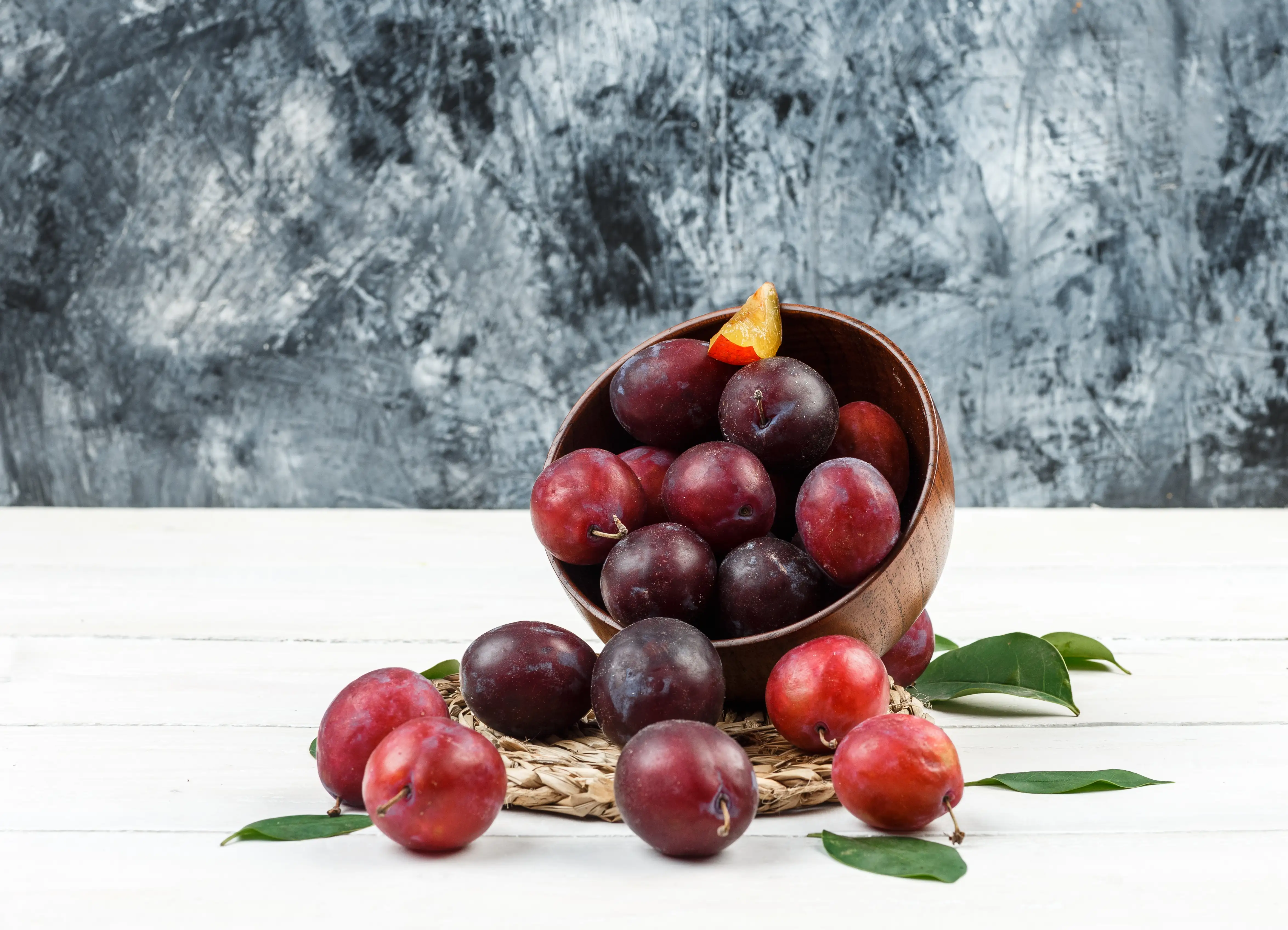
However, as contemporary Indian gastronomy increasingly turns inward to champion hyper-local ingredients, kokum is stepping out of the shadow of its classic identity. No longer confined to beachside shacks or traditional Konkani kitchens, this vibrant, anti-inflammatory superfruit has emerged as the premier darling of experimental kitchens, craft bars, and specialty cafes across the country, fundamentally changing how modern chefs approach acidity.
What makes kokum a powerful tool for modern chefs is its unique, clean flavor profile. Unlike tamarind, which carries a heavy, sticky sweetness, or lemons, which lean sharp and citrusy, high-quality kokum delivers an intensely bright, fruity, and slightly astringent sourness accompanied by a striking crimson hue.
This specific chemical structure has allowed it to easily transition into international cuisines where balancing heavy fat is essential:
However, as contemporary Indian gastronomy increasingly turns inward to champion hyper-local ingredients, kokum is stepping out of the shadow of its classic identity. No longer confined to beachside shacks or traditional Konkani kitchens, this vibrant, anti-inflammatory superfruit has emerged as the premier darling of experimental kitchens, craft bars, and specialty cafes across the country, fundamentally changing how modern chefs approach acidity.
Slicing Through Rich Umami and Caffeine
What makes kokum a powerful tool for modern chefs is its unique, clean flavor profile. Unlike tamarind, which carries a heavy, sticky sweetness, or lemons, which lean sharp and citrusy, high-quality kokum delivers an intensely bright, fruity, and slightly astringent sourness accompanied by a striking crimson hue. This specific chemical structure has allowed it to easily transition into international cuisines where balancing heavy fat is essential:
Next Story